Connecticut businesses in pharma, food service, manufacturing, and healthcare need floors that work as hard as they do—durable, compliant, and built to last.

Connecticut’s industrial landscape runs on precision. From Pratt & Whitney’s operations in East Hartford to pharmaceutical manufacturers throughout the region, businesses here don’t have time for floors that fail. Hartford County alone employs over 73,000 industrial workers, with New Haven, New London, and Middlesex Counties adding tens of thousands more to the mix.
These facilities share common challenges. Heavy equipment traffic. Strict regulatory oversight. The need to minimize downtime. Traditional flooring options—tile, vinyl, even bare concrete—create ongoing problems that eat into your operational efficiency.
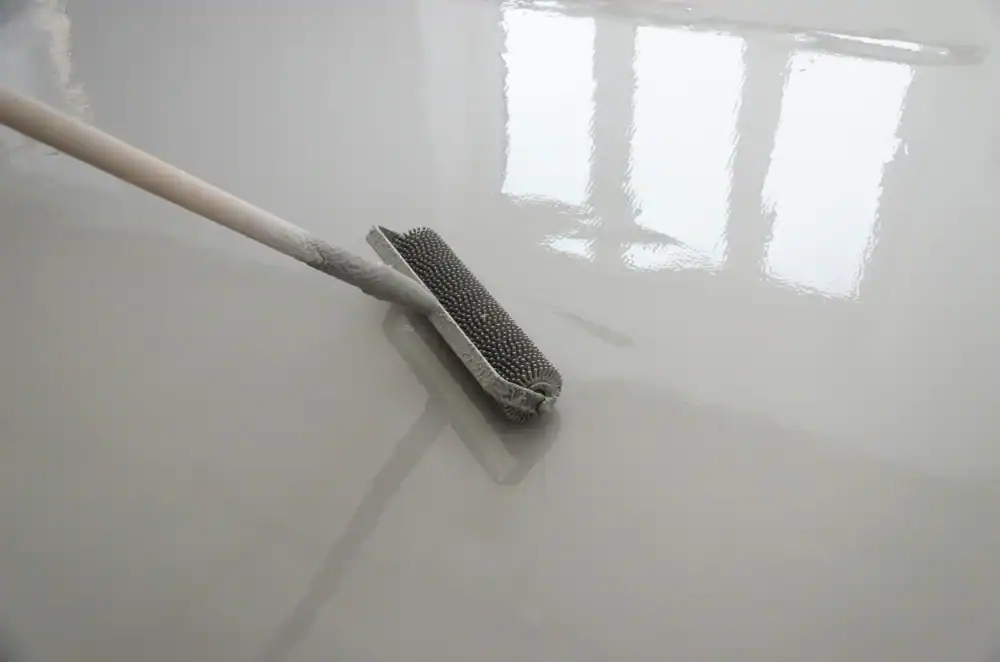
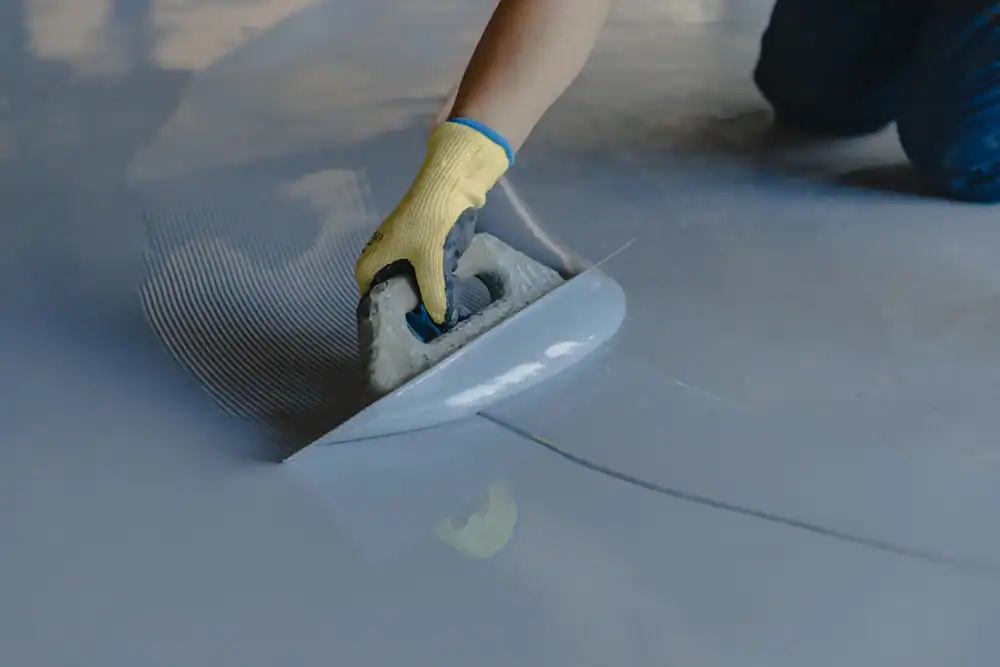
Commercial epoxy flooring systems solve these problems by creating a protective barrier that’s built into the concrete itself. The result is a monolithic surface that resists chemicals, withstands impact, and stays intact under conditions that would destroy conventional flooring in months. You’re not just covering your floor—you’re reinforcing it.
Standard concrete might seem tough, but it’s actually porous and vulnerable. Liquids seep in. Chemicals eat away at the surface. Cracks develop from thermal stress and heavy loads. Before long, you’re dealing with dust, deterioration, and contamination risks that put your entire operation at risk.
Industrial flooring systems using epoxy resins create something fundamentally different. These aren’t just coatings sitting on top of concrete—they bond at a molecular level, creating a seamless surface that’s actually stronger than the concrete beneath it. The thickness matters too. While paint might give you a few mils of protection, commercial-grade epoxy systems can be 10 to 250 mils thick, providing real structural reinforcement.
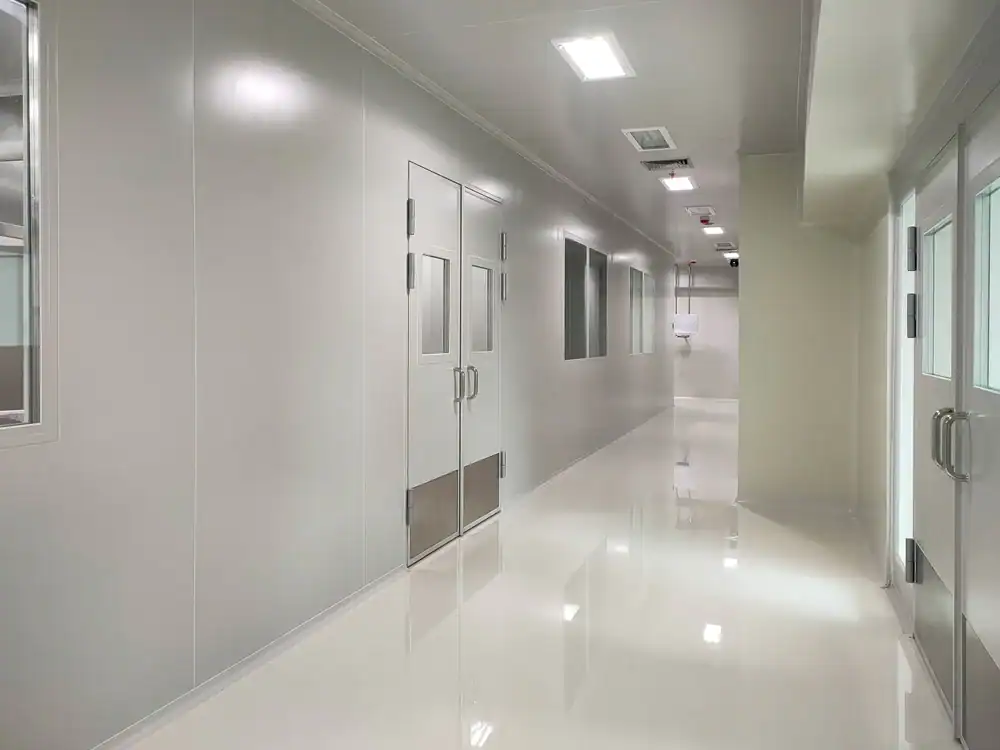
The seamless nature is critical, especially for regulated industries. There are no grout lines for bacteria to hide in. No seams where liquids can penetrate. No joints that crack under stress. This seamless construction is exactly what FDA and USDA inspectors look for when they evaluate pharmaceutical plants, food processing facilities, and healthcare centers.
Temperature tolerance is another major differentiator. These systems handle everything from subzero freezer conditions to hot water washdowns without blistering, cracking, or losing adhesion. That kind of resilience means your floor keeps working regardless of what your process demands.
Chemical resistance varies by formulation, but properly specified epoxy systems resist oils, acids, alkalis, solvents, and cleaning agents that would quickly damage other flooring types. This isn’t theoretical—facilities operating 24/7 report maintenance cost reductions of 40-50% after switching from traditional flooring to commercial-grade epoxy systems.
If you’re operating in pharmaceutical manufacturing, food processing, or healthcare, your floor isn’t just an operational concern—it’s a compliance requirement. FDA and USDA regulations specify that floors must be smooth, easily cleanable, impervious to moisture, and free from cracks or openings where contaminants can accumulate.
These aren’t suggestions. Inspectors will flag flooring that doesn’t meet standards, and failed inspections can shut down operations until problems are corrected. The cost of non-compliance goes far beyond the inspection itself—you’re looking at lost production time, emergency repairs, and potential damage to your reputation with customers and regulators.
Commercial resin floors meet these requirements by design. The seamless installation eliminates the cracks and crevices that harbor microbes. The non-porous surface prevents moisture penetration and bacterial growth. The smooth finish allows for effective cleaning and sanitization using approved protocols.
For pharmaceutical operations, the stakes are even higher. Cleanroom environments require flooring that won’t generate dust or particles. Chemical processing areas need resistance to aggressive solvents. Quality control labs need surfaces that won’t interfere with sensitive testing. Properly specified epoxy systems address all of these requirements while providing the durability to withstand years of rigorous use.
Food service and beverage processing facilities face similar demands. USDA guidelines require flooring that supports frequent sanitation and prevents contamination. The floor must withstand high-pressure washdowns, resist common food processing chemicals, and maintain its integrity through temperature cycling. Urethane cement and epoxy systems specifically formulated for food-grade applications deliver this performance while meeting all regulatory requirements.
Healthcare facilities need antimicrobial properties, stain resistance, and surfaces that can be thoroughly disinfected without degrading. Operating rooms, laboratories, patient care areas—each has specific flooring needs that standard materials simply can’t meet. Commercial epoxy systems can be formulated with antimicrobial additives that actively resist bacterial growth, providing an extra layer of protection in environments where infection control is paramount.
The bottom line: if your industry is regulated, your flooring choice isn’t optional. You need systems that meet code, pass inspection, and hold up under the specific conditions of your operation.
Want live answers?
Connect with a American Poly Floor expert for fast, friendly support.
Let’s talk about money. Commercial epoxy flooring costs more upfront than basic concrete sealer or paint. Depending on your square footage, floor condition, and system specification, you’re looking at anywhere from $3 to $12 per square foot. For a 10,000 square foot facility, that’s a real investment.
But here’s what that number doesn’t show. Traditional flooring options need replacement every 5-7 years. Epoxy systems last 10-20 years with proper maintenance. Factor in the reduced maintenance costs—warehouses report 40-50% reductions in annual floor maintenance expenses—and the math shifts dramatically in favor of epoxy.
Then there’s downtime. Every day your facility is shut down for floor repairs costs you in lost production, idle labor, and missed deadlines. Most commercial epoxy installations take 2-3 days from start to finish. Some fast-cure systems allow foot traffic in 6 hours. Compare that to ripping out and replacing tile or dealing with ongoing concrete repairs, and the time savings alone can justify the investment.
Several factors influence what you’ll actually pay for commercial flooring in Connecticut. Understanding these variables helps you budget accurately and avoid surprises.
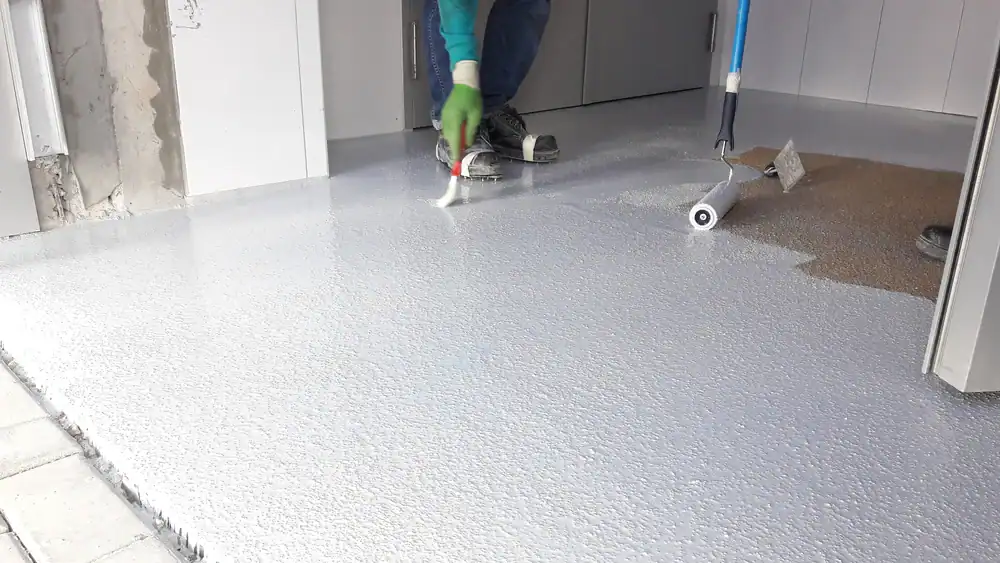
Floor condition matters significantly. A new concrete slab needs minimal prep—maybe just shot blasting or grinding to create proper surface profile. An existing floor with old adhesive, coatings, cracks, or spalling requires extensive preparation before any epoxy can be applied. That prep work is labor-intensive and adds to your total cost, but it’s also non-negotiable if you want a floor that actually lasts.
System specification is the other major cost driver. A basic solid-color epoxy floor costs less than a system with decorative quartz aggregates, antimicrobial additives, or enhanced chemical resistance. But those upgrades aren’t just cosmetic—they’re functional improvements that extend floor life and reduce long-term costs. Pharmaceutical and food processing facilities typically need more robust systems than general warehouses, and the pricing reflects that difference.
Square footage affects your per-unit cost. Larger installations benefit from economies of scale—the cost per square foot drops as project size increases. Smaller jobs carry higher per-square-foot costs because fixed expenses like mobilization, equipment, and materials don’t scale down proportionally.
Traffic and use requirements also factor in. Floors that will support heavy forklift traffic, frequent impacts from dropped tools or materials, or constant chemical exposure need thicker applications and more durable formulations. Light-duty areas can use thinner systems. We ask detailed questions about your operations to specify the right system for your actual conditions.
Customization adds cost but delivers value. Color-coding different work areas, incorporating safety markings, adding company logos—these elements cost extra but serve real operational purposes. They’re not just aesthetic choices; they’re functional improvements that enhance safety, workflow, and wayfinding in your facility.
The key is working with a contractor who understands your industry and can specify a system that matches your actual needs—not the cheapest option that will fail in two years, and not an over-engineered solution that costs more than necessary. The right system balances upfront cost with long-term performance.
Maintenance costs are where epoxy flooring really proves its value. Traditional flooring options demand constant attention. Tile needs grout cleaning and periodic replacement of cracked pieces. Vinyl requires waxing and buffing. Bare concrete generates dust, requires sealing, and needs patching as cracks develop.
Epoxy flooring requires sweeping and occasional mopping. That’s it. The seamless, non-porous surface doesn’t trap dirt in grout lines. It doesn’t need waxing. It doesn’t generate dust. Spills wipe up easily because nothing penetrates the surface. For facilities running multiple shifts, this simplicity translates directly to lower labor costs and less disruption to operations.
Chemical resistance means you’re not constantly repairing damage from spills. Impact resistance means dropped tools and equipment don’t chip or crack the surface. Temperature tolerance means thermal cycling doesn’t cause blistering or delamination. Each of these characteristics reduces the frequency and cost of repairs.
The extended lifespan is perhaps the biggest maintenance advantage. When properly installed and maintained, commercial epoxy floors last 10-20 years. Compare that to tile floors that fail in 5-7 years or vinyl that needs replacement even sooner. Fewer replacements mean lower lifetime costs, less disruption, and more predictable facility budgets.
Facilities that have made the switch consistently report dramatic reductions in floor-related maintenance expenses. One automotive manufacturing plant documented maintenance cost savings that paid for their flooring investment in under four years. A 24/7 warehouse operation saw annual floor maintenance costs drop by nearly half. These aren’t outliers—they’re typical results when you replace high-maintenance flooring with properly installed epoxy systems.
The maintenance simplicity also means you can handle most cleaning in-house without specialized equipment or contractors. Your existing cleaning staff can maintain epoxy floors using standard procedures. This operational simplicity reduces your dependence on outside vendors and gives you more control over your facility’s condition.
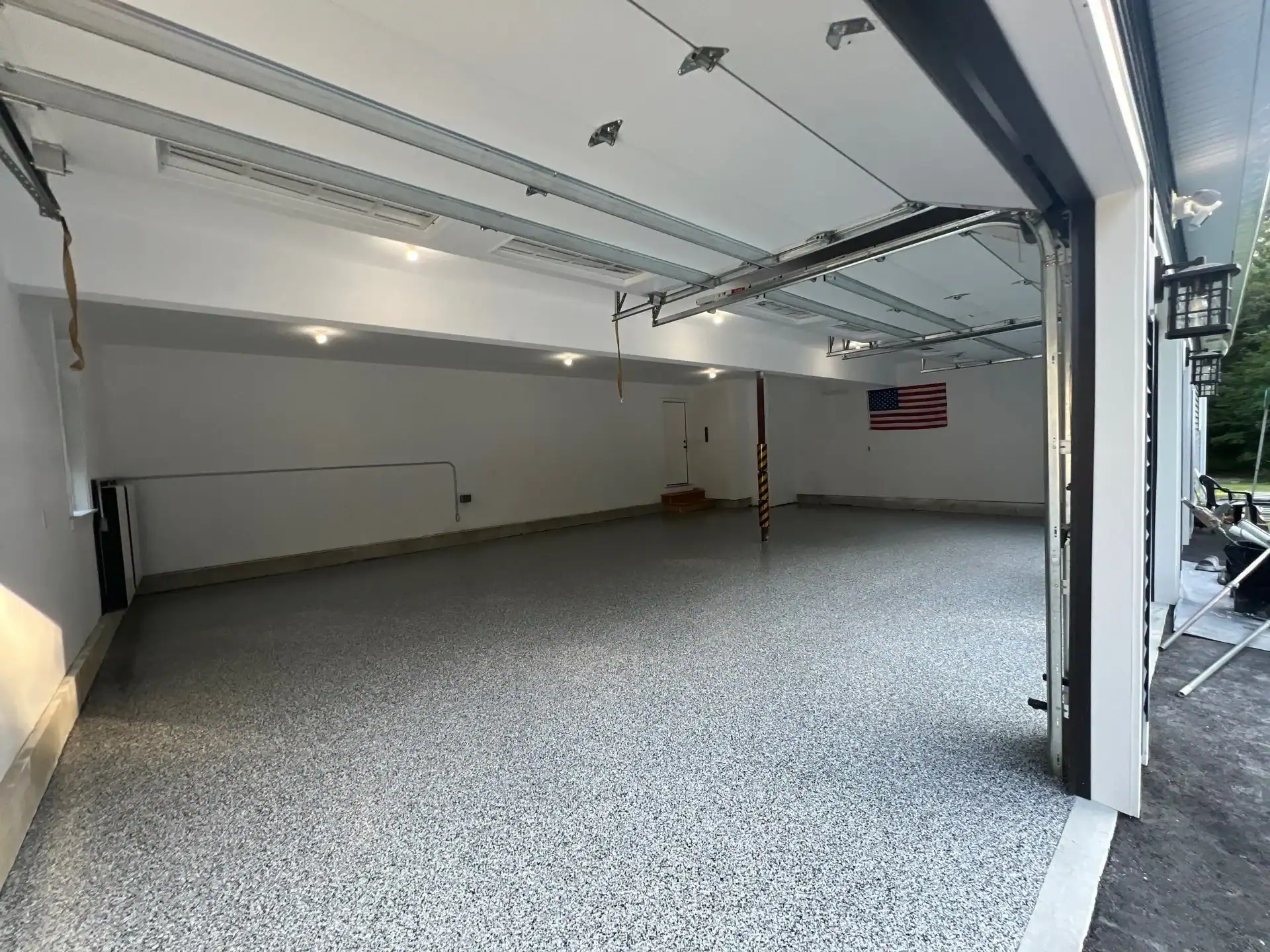
The flooring system itself is only half the equation. Installation quality determines whether your floor lasts two years or twenty. Connecticut has plenty of contractors who can pour epoxy, but commercial and industrial applications require specialized knowledge that goes beyond residential garage floors.
Look for contractors with documented experience in your specific industry. Pharmaceutical flooring has different requirements than food processing. Healthcare facilities need different specifications than manufacturing warehouses. A contractor who understands your regulatory environment, operational demands, and performance requirements will specify and install a system that actually works for your application.
Surface preparation is where most flooring failures begin. The concrete must be properly profiled, clean, and dry before any epoxy is applied. Shortcuts in prep work lead to adhesion failures, delamination, and premature system failure. Quality contractors invest significant time and effort in preparation because they know it’s the foundation of a successful installation.
Ask about their approach to minimizing downtime. Can they work around your production schedule? Do they have fast-cure options for time-sensitive installations? How do they handle phased installations that keep portions of your facility operational? These operational considerations matter as much as technical specifications.
We understand what Connecticut businesses need because we work with pharmaceutical manufacturers, food processors, healthcare facilities, and industrial operations throughout Hartford, New Haven, New London, and Middlesex Counties. We prioritize quick turnaround schedules, specify systems that meet regulatory requirements, and install floors that hold up under real-world conditions. When your operations can’t afford downtime and your floors can’t afford to fail, that kind of specialized expertise makes all the difference.
Summary:
Article details:
Share: