Connecticut manufacturing facilities face relentless wear from forklifts, chemicals, and heavy equipment. Industrial epoxy flooring provides the durability and chemical resistance these operations demand.
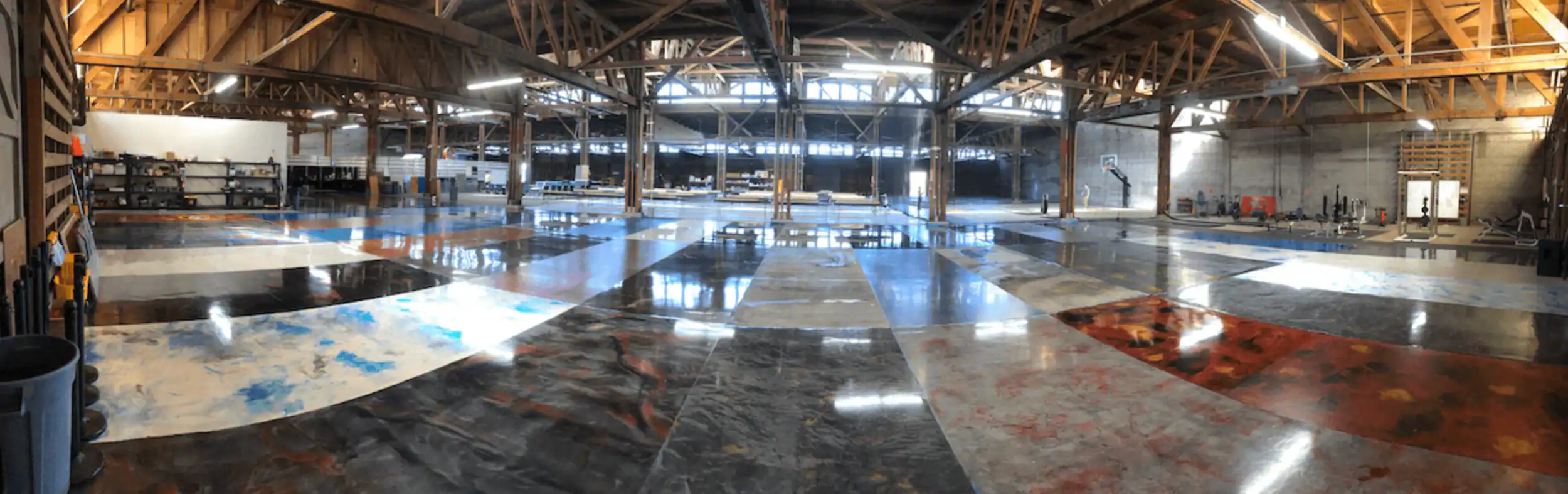
Your production floor isn’t just a surface. It’s infrastructure that either supports your operation or becomes a liability.
When forklifts are moving loads 24/7, when chemicals spill during processing, when machinery weighs thousands of pounds and never stops moving—your floor needs to handle all of it without cracking, dusting, or breaking down. Standard concrete won’t cut it. You need a system built for industrial conditions.
Industrial epoxy flooring gives manufacturing facilities in Hartford County, CT, New Haven County, CT, New London County, CT, and Middlesex County, CT a proven solution that stands up to the punishment. Let’s break down what makes it work for heavy-duty manufacturing environments.
Bare concrete might seem tough, but it’s porous and brittle. Under the constant stress of manufacturing operations, it doesn’t last.
Heavy machinery creates point loads that chip the surface. Forklift wheels act like sandpaper, grinding down the concrete and releasing silica dust into your facility. Chemical exposure eats away at unprotected slabs. Over time, you’re looking at cracks, uneven surfaces, and expensive repairs that force downtime.
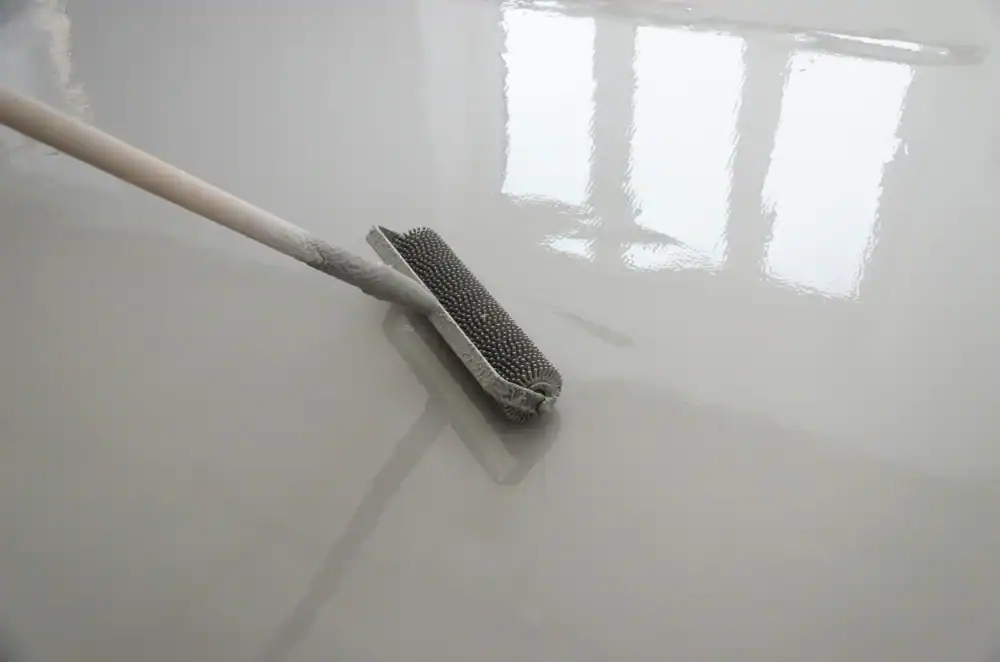
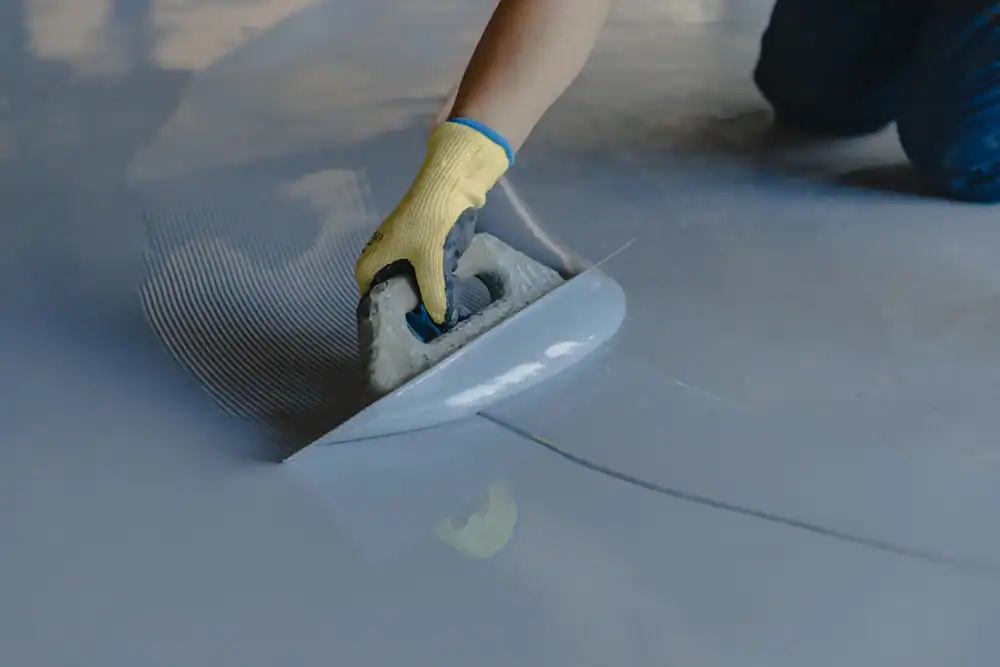
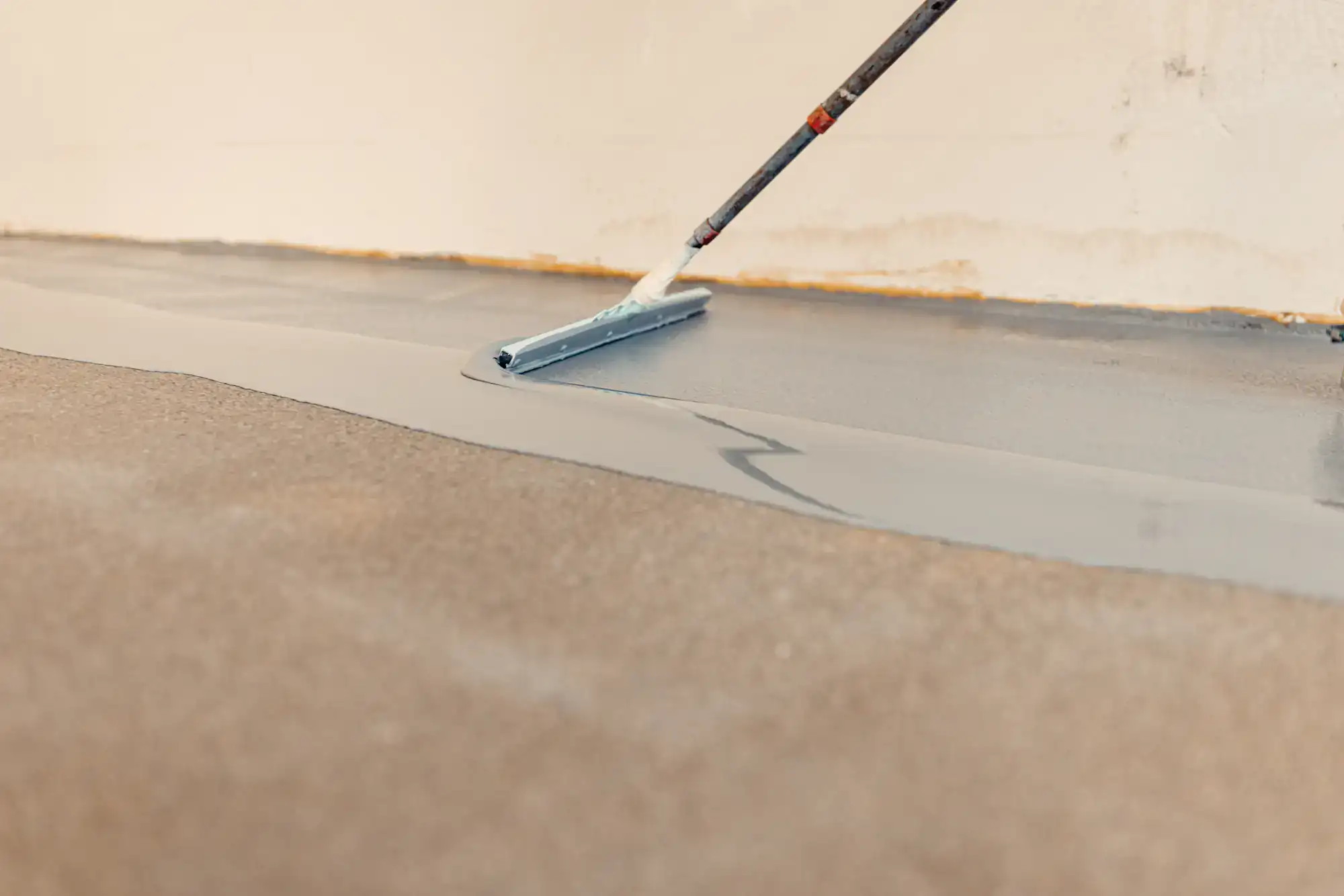
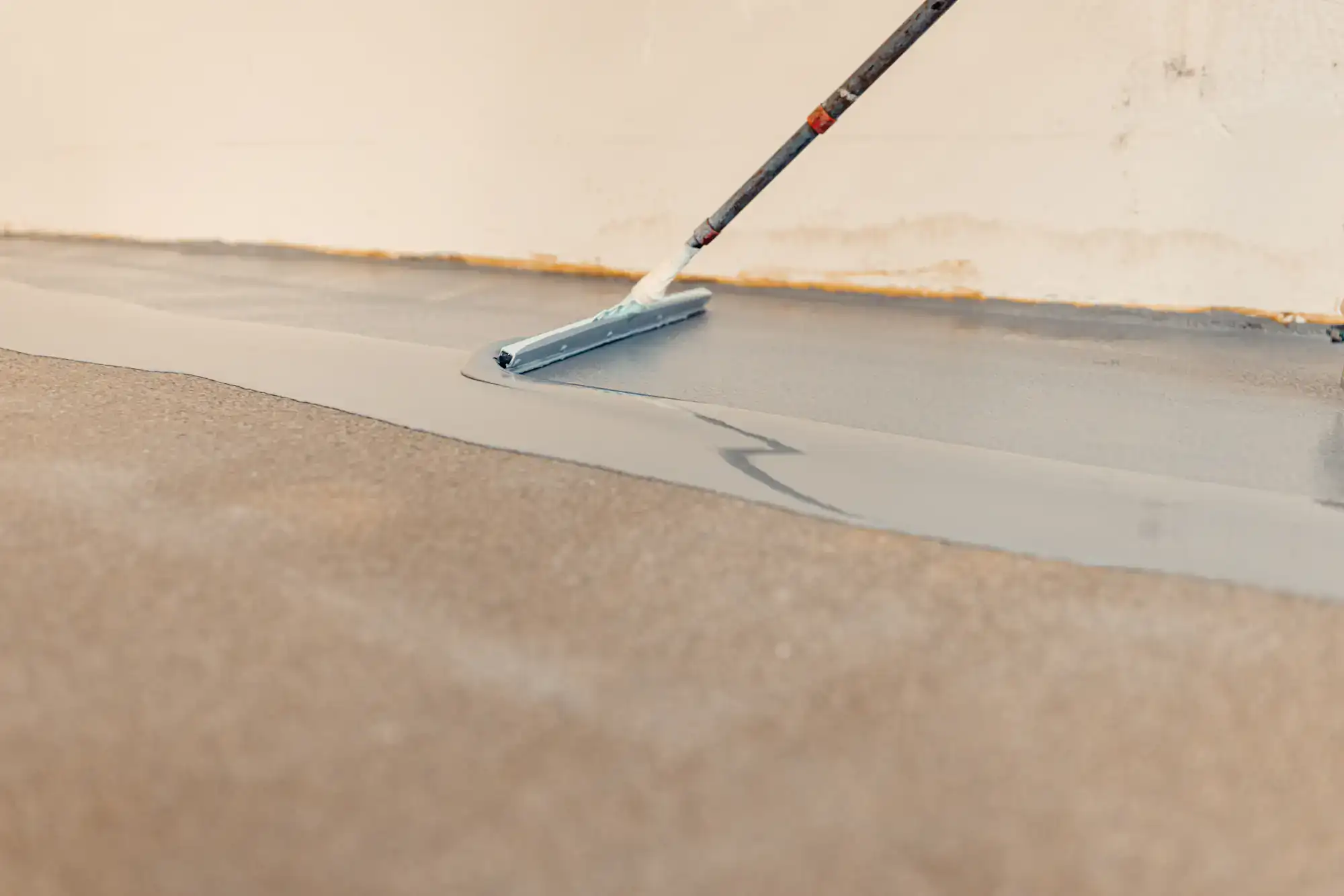
Industrial epoxy flooring creates a protective barrier over your concrete substrate. It’s a resinous coating system that bonds directly to the slab, forming a seamless, non-porous surface engineered to resist the specific challenges of manufacturing environments. The coating is chemical resistant, impact resistant, and designed to handle the abrasion from constant traffic without breaking down.
Forklifts put tremendous pressure on floors. A standard lift weighs over 9,000 pounds before you add cargo. Each tire exerts hundreds of pounds per square inch on the surface. That kind of concentrated weight, moving constantly across your floor, will destroy unprotected concrete.
Epoxy flooring for manufacturing facilities is built to handle that load. The coating creates a hard, durable surface that distributes weight and resists the impact and friction from heavy equipment. Unlike concrete with expansion joints and saw cuts, epoxy provides a smooth, seamless finish. Forklifts move across it without bumps or jostling. That means less vibration for operators, safer transport of materials, and reduced wear on your equipment.
The seamless surface also eliminates the ridges and gaps where debris accumulates. In a busy warehouse or production area, that makes a real difference. Easier to clean. Safer to navigate. Less maintenance overall.
When you’re running continuous operations, your floor can’t be the weak link. A properly installed epoxy system with the right thickness and formulation will stand up to forklift traffic for years without cracking or wearing through. Some facilities see decades of performance from a quality industrial floor coating when it’s maintained correctly.
The other advantage is speed. Epoxy doesn’t just last—it cures fast. Depending on the system, you can return to full operation within 24 hours. Compare that to concrete repairs that can shut you down for days or weeks. When downtime costs money, fast-curing epoxy keeps your operation moving.
Manufacturing facilities deal with chemicals. Oils, solvents, acids, cleaning agents—whatever your process involves, spills happen. When those substances sit on bare concrete, they penetrate the porous surface and cause damage. Staining, pitting, and structural degradation follow.
Chemical resistant epoxy flooring prevents that penetration. The non-porous, seamless surface keeps chemicals on top of the floor where they can be cleaned up quickly. No seepage into the substrate. No long-term corrosion eating away at your slab.
Different epoxy formulations offer varying levels of chemical resistance depending on what you’re working with. For facilities handling aggressive chemicals—strong acids, caustic solutions, or industrial solvents—specialized resinous floor systems can be engineered to withstand specific exposures. The key is matching the flooring system to your actual operating conditions.
Connecticut’s manufacturing sector includes everything from metal fabrication to pharmaceutical production. Each facility has unique chemical exposure risks. A metal shop dealing with cutting fluids and hydraulic oils has different needs than a chemical processing plant handling corrosive substances. The right epoxy floor coating accounts for those differences.
Beyond just resisting damage, chemical resistant flooring also supports safety and compliance. Spills that would normally soak into concrete can be contained and cleaned on an epoxy surface. That reduces contamination risks, makes it easier to maintain hygiene standards, and helps facilities meet environmental regulations for spill containment.
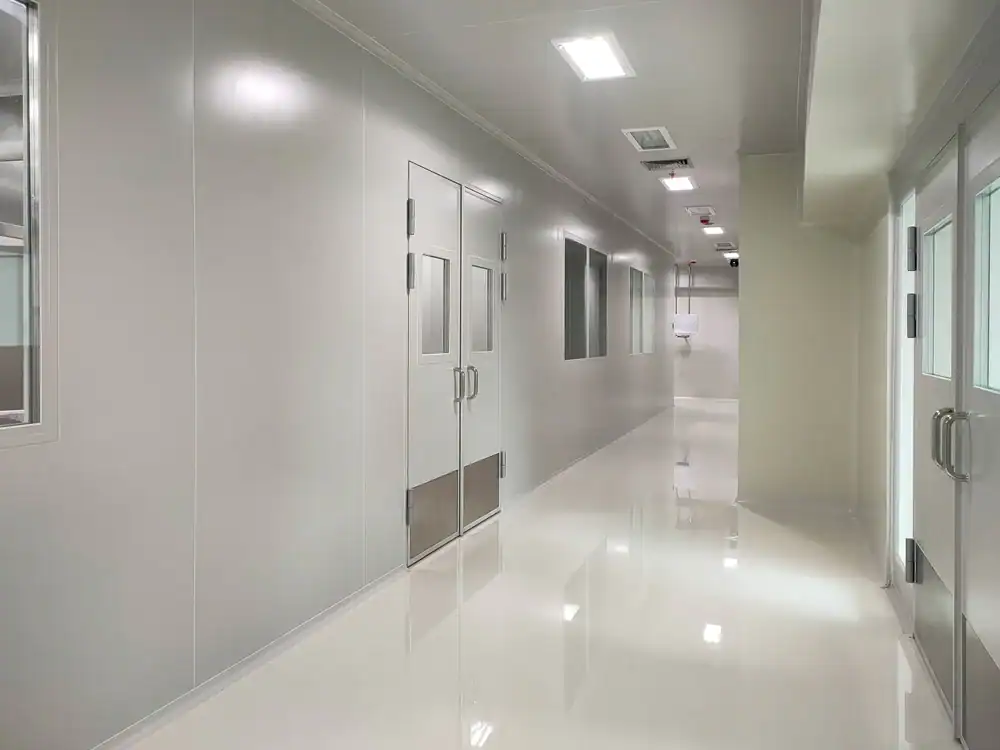
The seamless nature of epoxy flooring also means there are no grout lines or joints where chemicals can seep through. In food processing, pharmaceutical manufacturing, or any environment where contamination control matters, that seamless barrier is critical. It’s easier to sanitize, easier to inspect, and eliminates the hidden spaces where bacteria or residues can accumulate.
Want live answers?
Connect with a American Poly Floor expert for fast, friendly support.
Connecticut’s manufacturing sector is concentrated in Hartford County, New Haven County, New London County, and Middlesex County. These areas are home to thousands of facilities producing everything from aerospace components to precision instruments.
The common thread across all these operations is the need for flooring that won’t fail under industrial conditions. Manufacturing floors face constant wear. Equipment doesn’t stop. Production schedules don’t allow for extended shutdowns. And when a floor starts to break down, it creates safety hazards, damages products, and slows operations.
Heavy duty epoxy floor coatings give Connecticut manufacturers a reliable solution. The flooring is engineered to withstand the specific demands of industrial environments—impact resistance, abrasion resistance, and the ability to handle thermal cycling if your facility experiences temperature fluctuations.
Concrete repairs add up. Every time you patch a crack, fill a spall, or resurface a damaged section, you’re paying for materials, labor, and downtime. Those costs compound over the life of your facility.
Industrial epoxy flooring flips that equation. The upfront investment is higher than leaving concrete bare, but the long-term savings are significant. A properly installed epoxy system lasts for years—often decades—without needing major repairs. The coating protects the concrete underneath from the wear and tear that would otherwise force constant maintenance.
That durability translates to fewer disruptions. When your floor isn’t cracking or breaking down, you’re not scheduling emergency repairs. You’re not pulling equipment off the line to fix the surface underneath. You’re running production as planned.
Maintenance becomes simpler too. Epoxy floors are easy to clean. The smooth, non-porous surface doesn’t trap dirt, dust, or debris. Regular sweeping and occasional mopping keep the floor in good condition. Compare that to concrete, which requires frequent patching, sealing, and intensive cleaning to manage dust and staining.
For facility managers and operations directors, that reduced maintenance burden means lower costs and fewer headaches. You’re not constantly dealing with floor issues. You’re focusing on what actually matters—keeping production running efficiently.
The cost-effectiveness of epoxy flooring also shows up in equipment longevity. Smooth, even floors reduce wear on forklifts and other machinery. When equipment isn’t bouncing over cracks or grinding through rough concrete, it lasts longer and needs less frequent repair. That’s another layer of savings that makes epoxy a smart investment for manufacturing facilities.
Safety matters in manufacturing environments. Slip and fall accidents, forklift collisions, and tripping hazards all create liability and disrupt operations. Your floor plays a direct role in preventing those incidents.
Epoxy flooring can be customized with slip-resistant additives to improve traction, even in areas where spills or moisture are common. That textured finish helps prevent slips without making the floor difficult to clean. It’s a balance—enough grip for safety, smooth enough for easy maintenance.
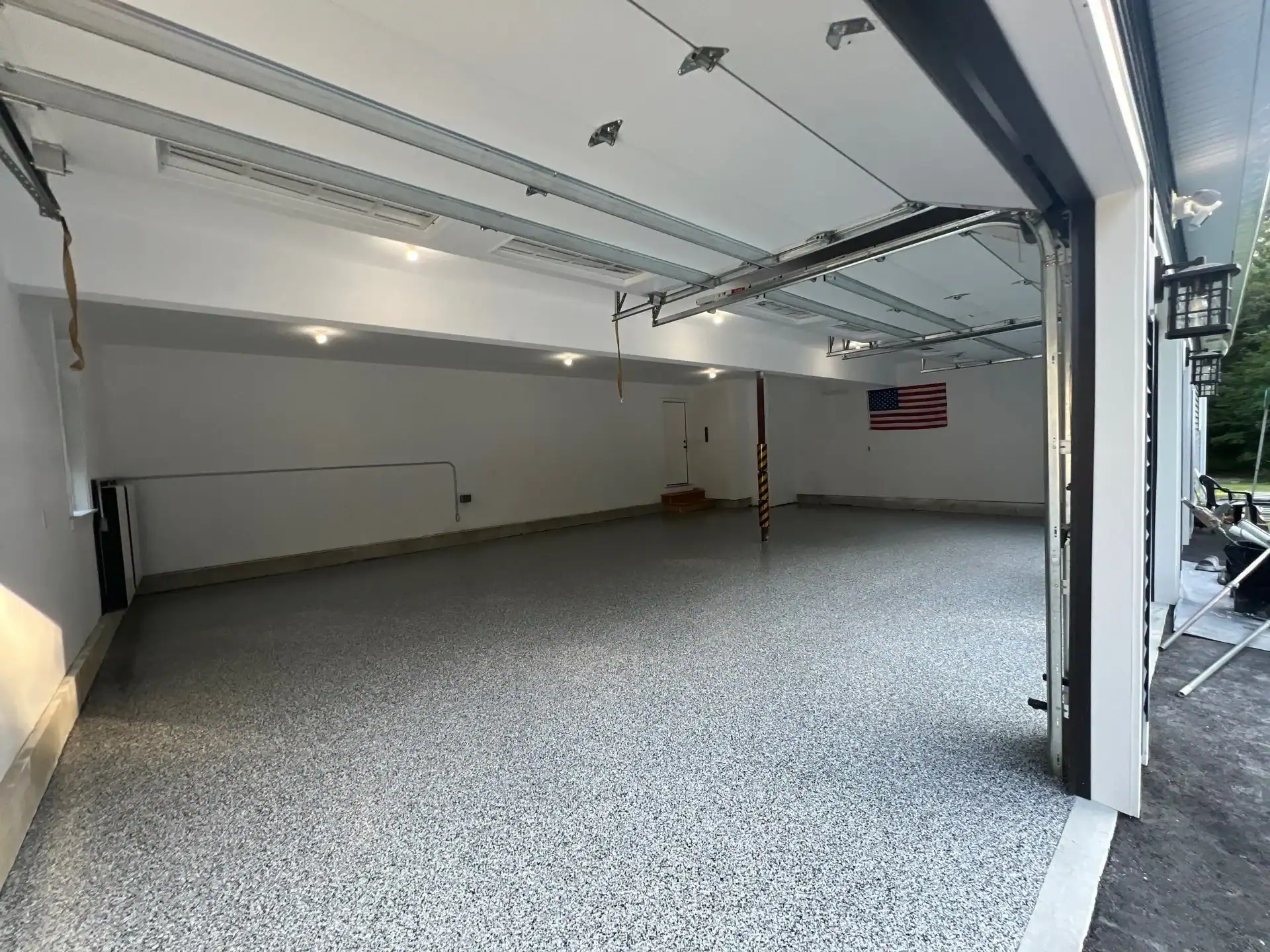
The high-gloss finish of epoxy also improves visibility throughout your facility. The reflective surface bounces light back up, making the workspace brighter without adding more fixtures. Better lighting means operators can see hazards more clearly, navigate more safely, and work more efficiently.
You can also incorporate color into the epoxy during installation to create designated zones. Mark forklift lanes, loading areas, battery charging stations, or hazardous zones with different colors. That visual organization improves traffic flow, reduces confusion, and reinforces safety protocols.
In facilities where safety is already a top priority—aerospace manufacturing, pharmaceutical production, or food processing—these features aren’t just nice to have. They’re part of maintaining compliance and protecting your workforce. Epoxy flooring supports those goals while also delivering the durability and chemical resistance you need for day-to-day operations.
Connecticut manufacturers operate in a competitive environment where worker safety and operational efficiency are both critical. A floor system that improves both at once is worth the investment. Fewer accidents mean lower insurance costs, less downtime, and a better working environment for your team.
Not all epoxy systems are the same. The right choice depends on your specific operating conditions—the type of equipment you’re running, the chemicals you’re handling, and the level of traffic your floor experiences.
For facilities with extreme wear—heavy forklift traffic, steel-wheeled equipment, or constant impact—thicker epoxy systems or urethane mortar floors provide the highest level of protection. For lighter manufacturing or warehouse operations, a standard epoxy coating might be sufficient. The key is matching the system to the actual demands of your environment.
Installation matters too. Surface preparation, coating thickness, and curing time all affect performance. A properly installed epoxy floor will last. A poorly installed one will fail prematurely, no matter how good the materials are.
If you’re operating a manufacturing facility in Hartford County, CT, New Haven County, CT, New London County, CT, or Middlesex County, CT, and your floor is showing signs of wear—cracks, dusting, uneven surfaces—it’s time to consider an upgrade. Industrial epoxy flooring gives you a solution that’s built to handle the real conditions of manufacturing operations. We’re here to discuss what your facility needs and how the right flooring system can support your operation for years to come.
Summary:
Article details:
Share: