A commercial floor is a working surface, not a finish. Before anything is quoted we look at what actually happens on it: wheel loads and turning forklifts, water and steam, oils, acids and cleaning chemicals, thermal shock from a wash-down, and how many hours the space can be out of service.
Three system families cover almost every facility in Hartford, New Haven, New London and Middlesex County. Epoxy builds a hard, chemical-resistant body coat. Polyaspartic and polyurea cure fast and hold colour, which is what makes a weekend turnaround possible. Urethane cement handles heat, steam and constant wash-down where a standard epoxy would fail. On a sound dry slab, polished concrete can beat all three, because there is no coating to peel at all.
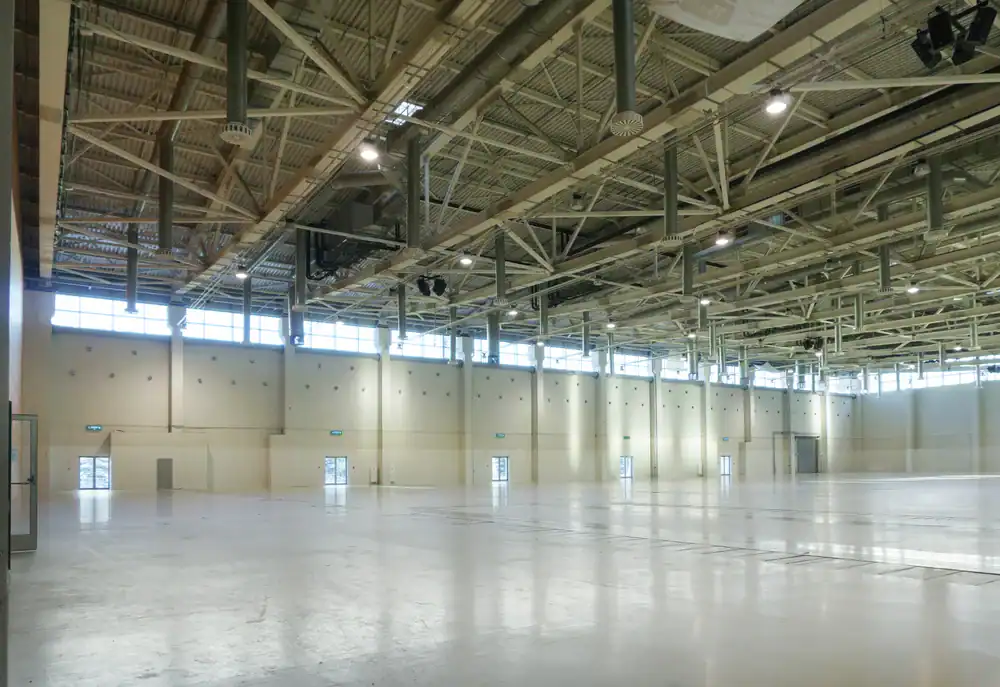
Warehouses and distribution. Forklift and pallet traffic, dry conditions. A hard-wearing coating or a polished slab, chosen on slab condition and how much downtime you can give us. See manufacturing and warehouse floors.
Food and beverage. Wash-down, hot water, fats and acids, and inspection standards. Urethane cement with coving, not a standard epoxy. See food service flooring and brewery and winery floors.
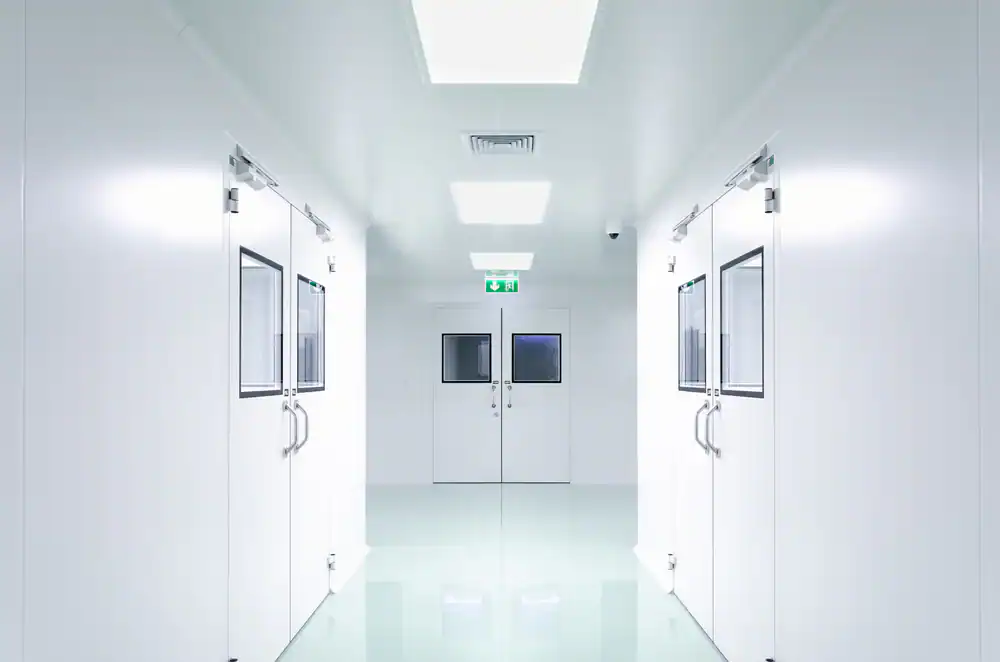
Labs, pharma and healthcare. Chemical resistance, cleanability and a seamless surface that does not trap anything. See pharma and lab flooring and healthcare flooring.
Retail, showrooms and public buildings. Appearance first, with traffic durability behind it. See retail flooring, or vinyl restoration where the existing floor is worth saving.
Hangars, grow facilities and specialty spaces. Fuel and solvent resistance, static control, humidity. See hangar floors and cannabis grow facility floors.
Garages and home floors are a different job with different economics: see epoxy garage floors.
We are a veteran-owned Connecticut company working out of East Hartford, and commercial work is the core of what we do. Our project history runs through buildings like Costco, Sam’s Club, Walmart, Amazon, Lowe’s Distribution, CT Transit, UConn, Foxwoods and Mohegan Sun, alongside police departments, community centres and auto dealerships across the state.
That matters for one practical reason: a facility floor is judged on whether the building kept running, not on the photo afterwards. We are rated 4.9 across 225 Google reviews, and most of the work comes from people who have seen a floor we put down.
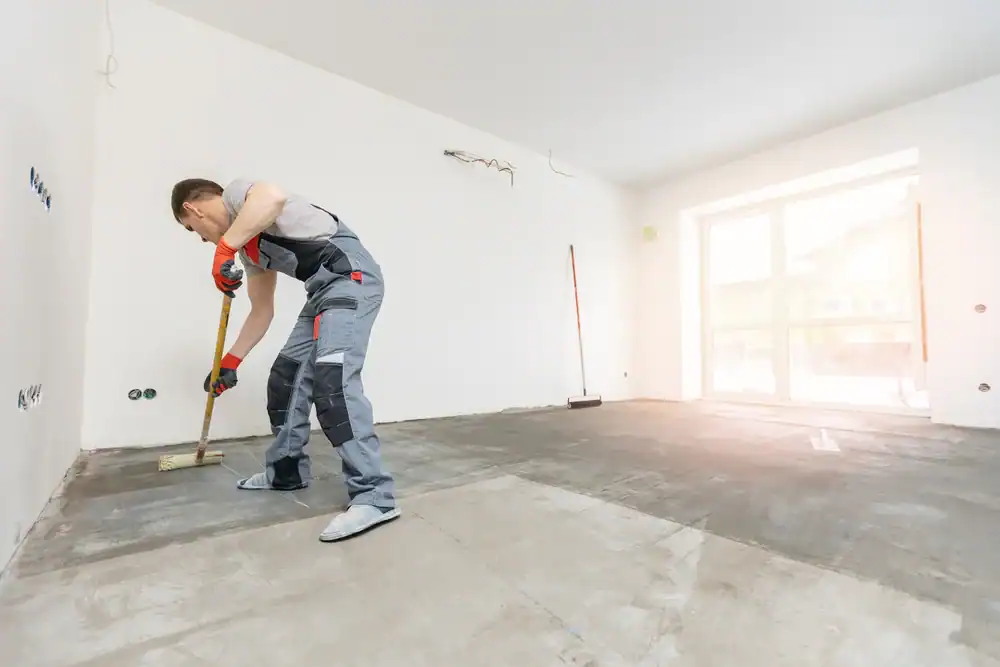
It starts with a site survey. We test slab moisture, check hardness and look at joints, drains and old coatings, because a floor that fails almost always failed at prep. That survey is what the quote is built on, and it is free.
Then we schedule around your operation rather than the other way round. Work runs in phased areas so half a plant keeps producing, and where production cannot stop we work nights and weekends. Fast-cure systems exist for exactly this: a polyaspartic build can take foot traffic in hours and vehicles the next day, where a standard epoxy needs longer before racking and forklifts come back.
Before you get the floor back, you get the boring parts in writing: which areas are closed on which days, what has to be moved, how the smell is handled, and when each zone returns to service. The premium system carries a 10-year insurance-backed warranty.
Every facility type below has its own page with the systems, the standards and the questions that come up on that kind of floor. If yours is not listed, call 860-241-2887 and we will tell you honestly whether it is work we do.
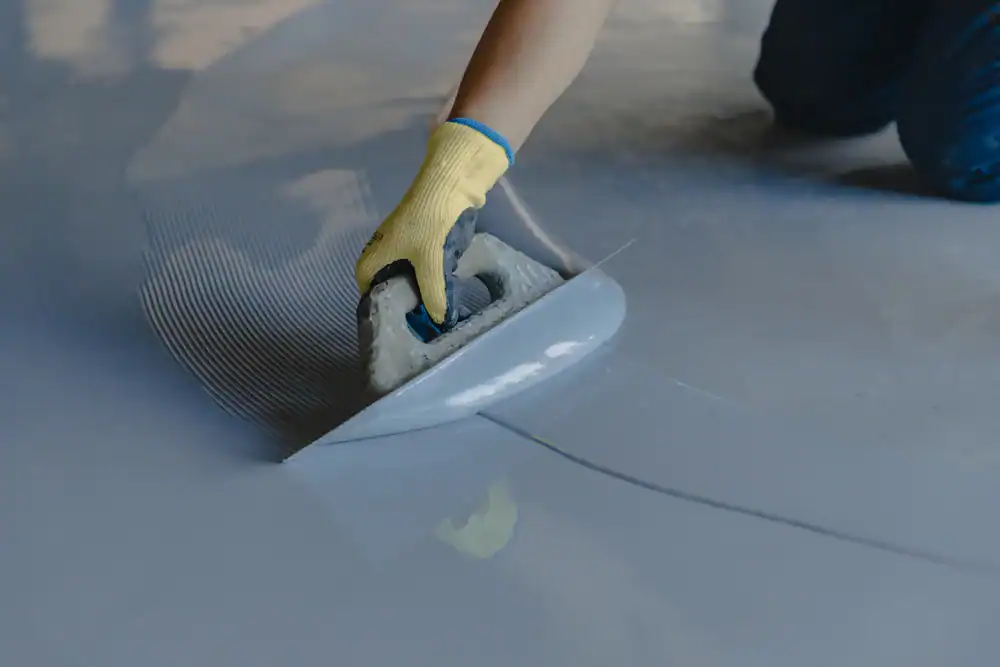

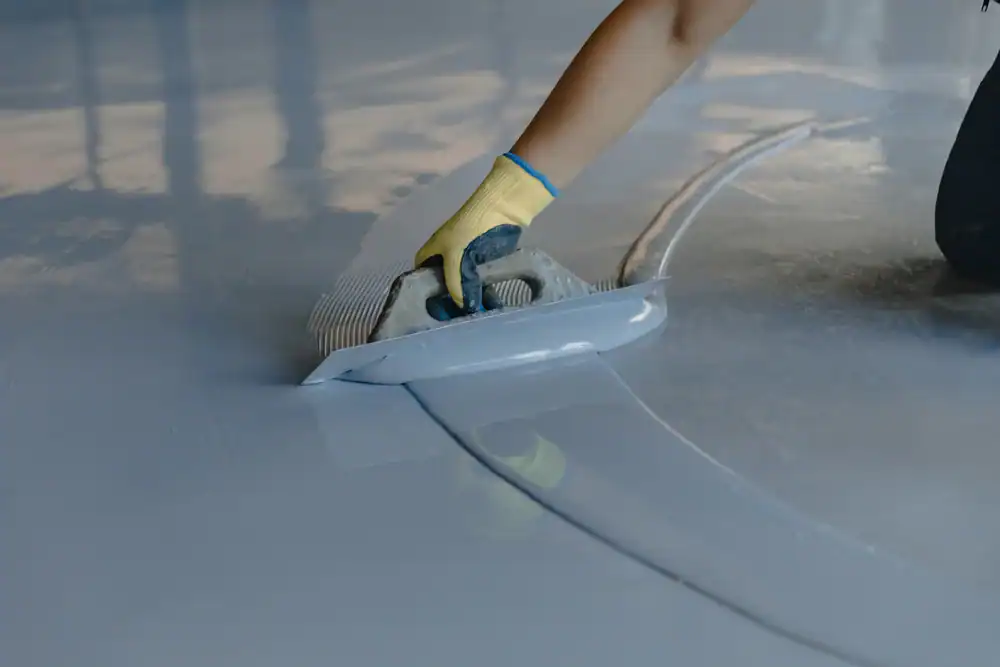

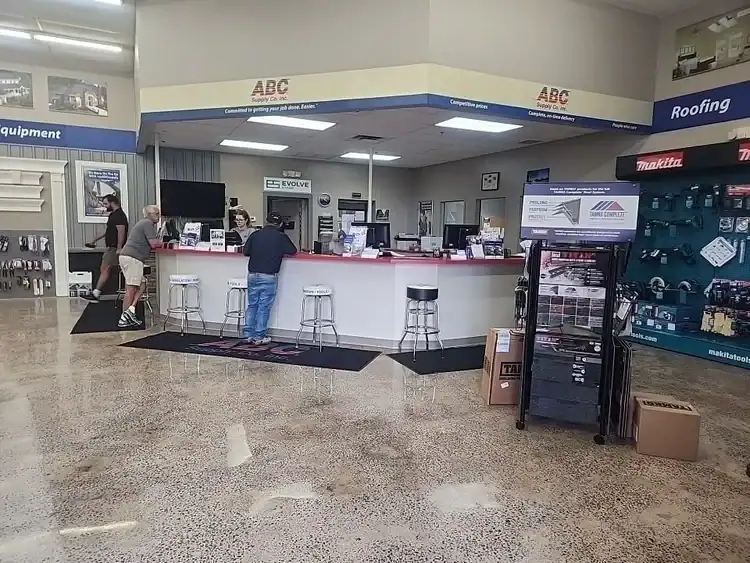

How soon can we drive on it? It depends on the system. A polyaspartic build usually takes foot traffic within hours and vehicle traffic the next day. A standard epoxy build needs longer, typically two to three days before forklifts and racking come back. Polished concrete takes traffic the same day the last pass comes off. We commit to the actual dates at the survey, per zone.
Coating or polished concrete for a warehouse? If the slab is sound and the space is dry, polishing is usually the better long-term answer, because there is no film to peel under wheel loads. Where chemicals, wash-down or thermal shock are involved, a resinous system wins. The full comparison is in epoxy flooring vs polished concrete.
Do you work nights and weekends? Yes. Most commercial work here is phased or out of hours, because the cost of stopping production is usually larger than the cost of the floor.
What does a commercial floor cost? It is priced per site after the survey. The drivers are square footage, the condition of the slab, how much prep and repair it needs, the system the environment demands, and whether we work around your schedule. Call 860-241-2887 and we will walk the space and put the number in writing.