Professional epoxy flooring lasts 10-20 years when installed correctly. Discover what impacts lifespan, how maintenance extends durability, and why professional systems outlast DIY kits.
You’re standing in your garage or walking through your commercial space, looking at that concrete floor and wondering if epoxy is worth the investment. Maybe you’ve heard it lasts forever. Maybe you’ve heard it peels in two years. The truth? Both can happen, and the difference comes down to a few critical decisions you make before anyone pours a single drop of coating.
Epoxy flooring can last anywhere from 10 to 20 years when it’s done right. But that range isn’t random. It’s determined by the quality of materials, how well the concrete is prepared, the traffic your floor sees, and whether you’re working with a professional or trying a weekend DIY project. Let’s talk about what actually determines how long your epoxy floor will hold up.
Under normal conditions with proper installation, epoxy flooring typically lasts between 10 and 20 years. That’s a solid lifespan for any flooring material, especially when you consider what epoxy goes through—vehicle traffic, dropped tools, chemical spills, temperature swings, and daily wear.
But here’s where it gets interesting. Not all epoxy floors are created equal. A professionally installed system in a residential garage with light use can easily push past the 20-year mark. Meanwhile, a DIY kit applied over a weekend might start peeling within a year or two. The difference isn’t just luck—it’s preparation, materials, and expertise.
In commercial and industrial settings, the timeline shifts based on how hard you’re working the floor. High-traffic warehouses with forklifts and heavy machinery might see 8 to 10 years before needing a recoat. Retail spaces or office garages with moderate foot traffic often hit 15 years without issue. The key is matching the coating system to the environment.
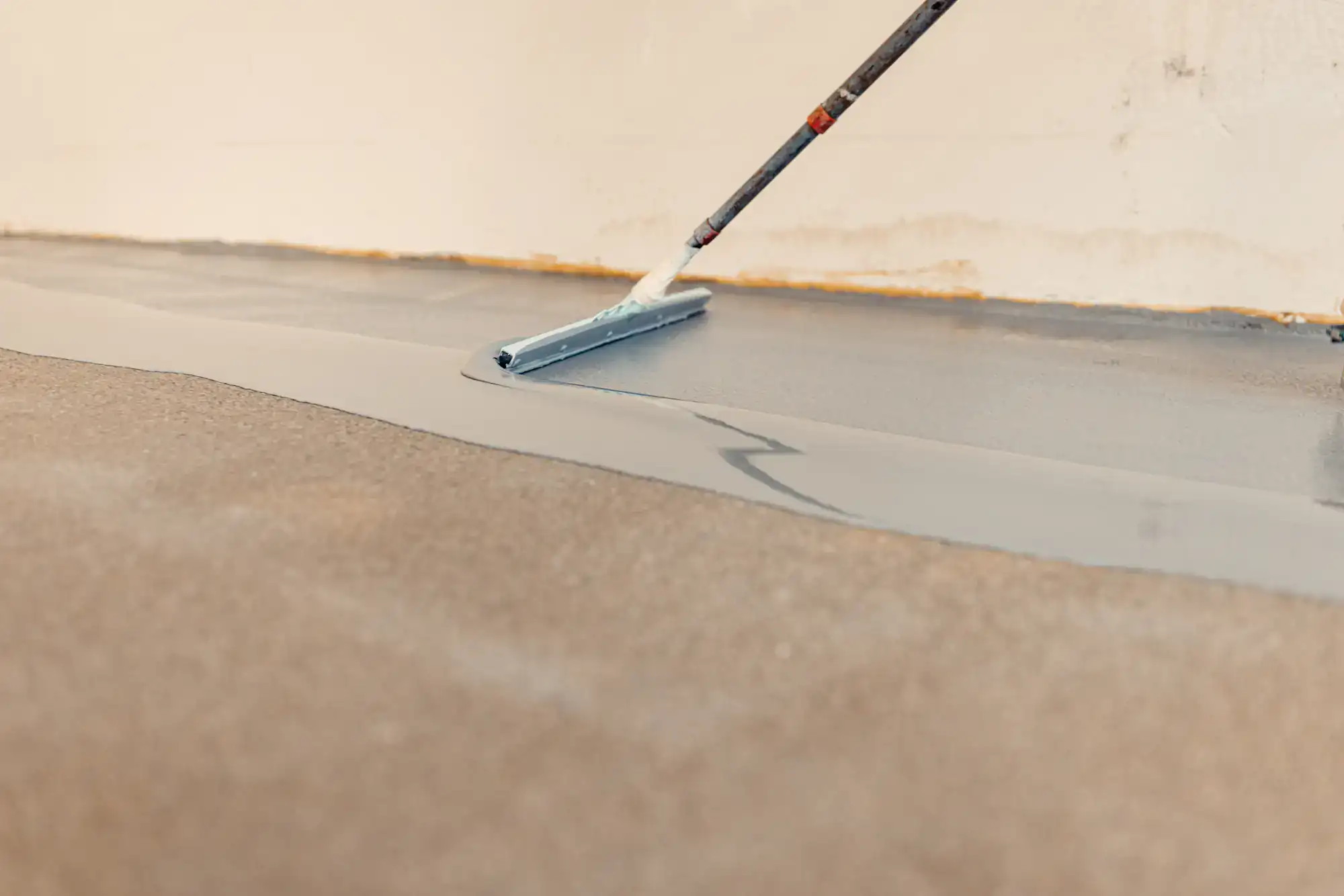
Your home garage is probably one of the easiest environments for epoxy flooring. You’re parking two cars, maybe doing some weekend projects, storing seasonal items. That’s light duty compared to what commercial floors endure.
In a residential setting, professionally installed epoxy flooring regularly lasts 15 to 20 years, and some homeowners report floors still looking sharp after 25 years. The reason is simple: less traffic, controlled temperatures, and typically better maintenance habits. You notice a stain and clean it up. You’re not running forklifts or dragging pallets across the surface daily.
The catch? This longevity only happens when the installation is done correctly. That means proper concrete preparation, high-quality epoxy with adequate thickness, and a protective topcoat. Skip any of those steps, and you’re looking at a much shorter lifespan. Connecticut winters add another layer of complexity—road salt, moisture from snow melt, and temperature fluctuations can all accelerate wear if the floor wasn’t sealed properly.
Maintenance plays a bigger role than most people realize. Sweeping regularly to remove grit and sand prevents scratches. Mopping with a pH-neutral cleaner keeps the surface looking fresh. Addressing spills quickly stops stains from setting. These aren’t complicated tasks, but they make the difference between a floor that lasts 10 years and one that lasts 20.
Here’s what kills residential epoxy floors early: hot tire pickup (when your car’s warm tires pull the coating off), improper surface prep during installation, using thin DIY coatings, and neglecting basic cleaning. If you avoid those mistakes, your garage floor should outlast most other upgrades you make to your home.
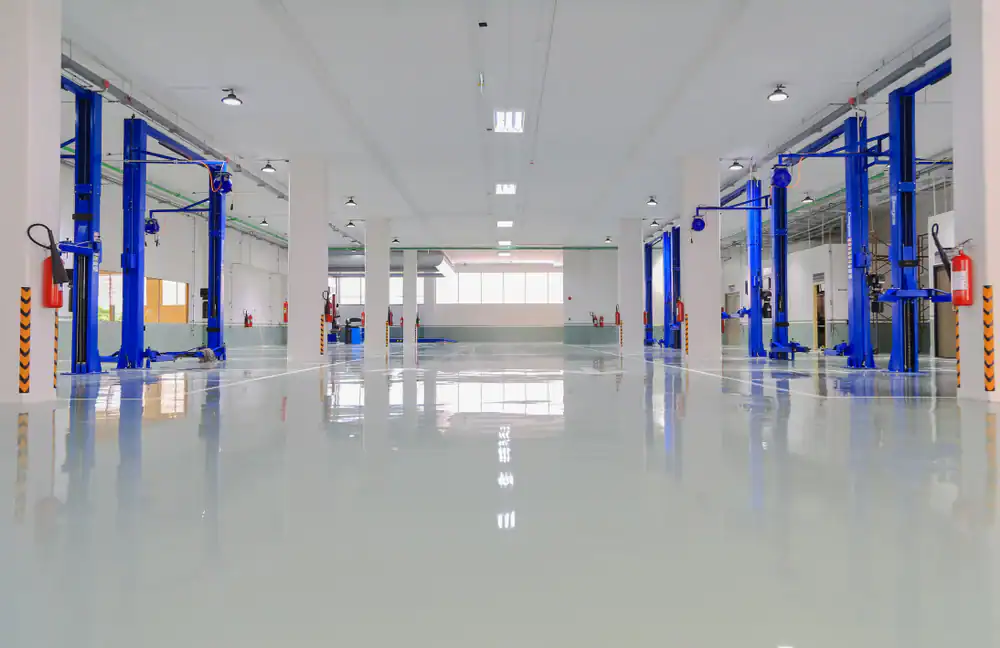
Commercial and industrial environments are a completely different story. These floors take a beating. Constant foot traffic, heavy equipment, chemical spills, thermal shock from temperature changes, and around-the-clock use all accelerate wear. Despite this, properly installed commercial epoxy flooring still delivers impressive longevity.
In most commercial settings—think retail stores, office buildings, or showrooms—epoxy floors typically last 10 to 15 years before needing attention. That’s with daily foot traffic, occasional spills, and regular cleaning. Industrial facilities with heavy machinery, forklifts, and chemical exposure usually see 5 to 10 years, though some high-performance systems can push beyond that with the right maintenance schedule.
The thickness of the coating matters significantly here. Industrial applications often use coatings that are three to six times thicker than residential systems. This extra material creates a buffer against the constant abuse these floors endure. It’s also common to see urethane or polyaspartic topcoats in commercial settings because they add an extra layer of abrasion resistance and UV stability.
Traffic patterns make a huge difference too. Loading docks, entrances, and high-traffic corridors wear faster than storage areas or offices. Smart facility managers often plan for targeted recoating in these zones rather than redoing the entire floor. This approach extends the overall lifespan and keeps costs manageable.
Chemical exposure is another variable that can shorten or extend lifespan depending on the epoxy formulation. Manufacturing facilities that deal with acids, solvents, or oils need specialized chemical-resistant epoxy systems. Standard residential epoxy won’t cut it. Using the wrong product in a harsh environment is one of the fastest ways to see premature failure.
Temperature extremes also play a role. Facilities without climate control—like warehouses or airplane hangars—experience expansion and contraction cycles that stress the coating. We account for this during application, but it’s still a factor that can reduce lifespan compared to climate-controlled environments.
The bottom line for commercial and industrial floors: expect 5 to 15 years depending on your specific conditions, and plan for maintenance. Regular inspections, prompt repairs of any damage, and periodic deep cleaning can push your floor toward the higher end of that range. Ignoring maintenance accelerates deterioration and forces earlier replacement.
Want live answers?
Connect with a American Poly Floor expert for fast, friendly support.
Epoxy flooring lifespan isn’t just about the coating itself. It’s about everything that happens before, during, and after installation. Understanding these factors helps you make better decisions and set realistic expectations.
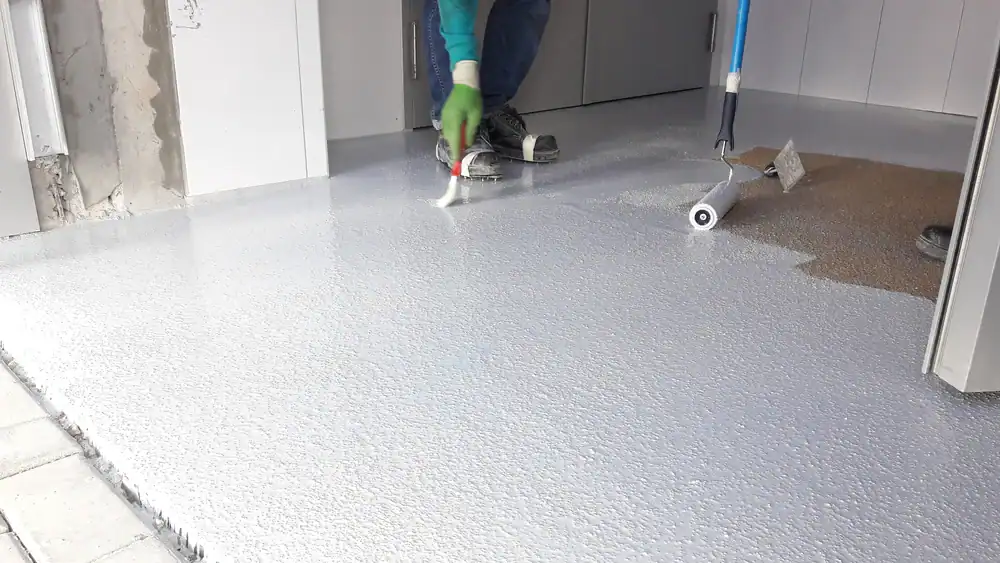
Installation quality is the foundation. A floor that’s improperly prepared or incorrectly applied won’t last, period. Surface preparation, mixing ratios, curing time, environmental conditions during application—all of these impact how well the epoxy bonds and how long it performs. This is where professional installation separates itself from DIY attempts.
Material quality varies dramatically across products. Water-based DIY kits from big-box stores have low solids content, meaning they’re mostly water that evaporates, leaving a thin, weak coating. Professional-grade 100% solids epoxy is significantly thicker and more durable. The difference in performance is night and day.
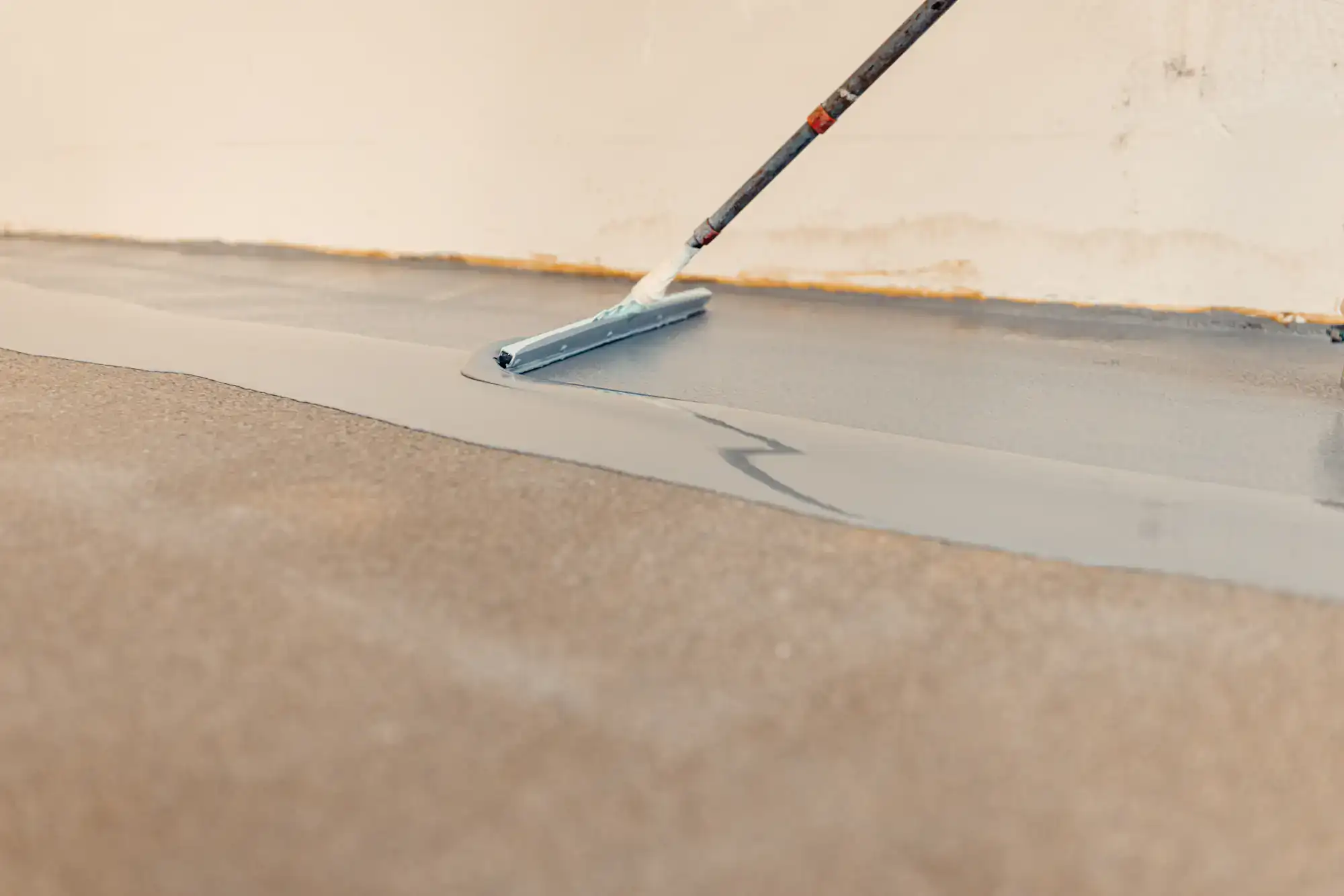
Installation quality is the single biggest factor determining whether your epoxy floor lasts two years or twenty. Everything starts with surface preparation, and this is where most DIY projects fail. Concrete needs to be clean, dry, and properly profiled to accept the epoxy. Any contamination—oil, grease, old sealers, or even dust—prevents proper bonding.
We use diamond grinders or shot blasters to mechanically prepare the surface. This process opens the concrete’s pores and creates the texture needed for the epoxy to penetrate and bond. DIY kits typically suggest acid etching, which sounds easier but rarely provides adequate preparation. Acid etching can leave residue, doesn’t open the concrete sufficiently, and can introduce moisture that causes bonding problems.
Moisture is another critical factor. Concrete is porous and can hold moisture even when it looks dry. We test for moisture vapor emission before applying epoxy. If moisture levels are too high, the epoxy can delaminate or develop bubbles. This is especially important in Connecticut where basements and garages can have higher humidity levels.
Mixing ratios matter more than most people realize. Epoxy is a two-part system: resin and hardener. These components must be mixed in exact proportions and thoroughly blended. Get the ratio wrong, and the epoxy won’t cure properly. It might stay soft, take weeks to fully harden, or develop a cloudy appearance. We have the experience to get this right every time.
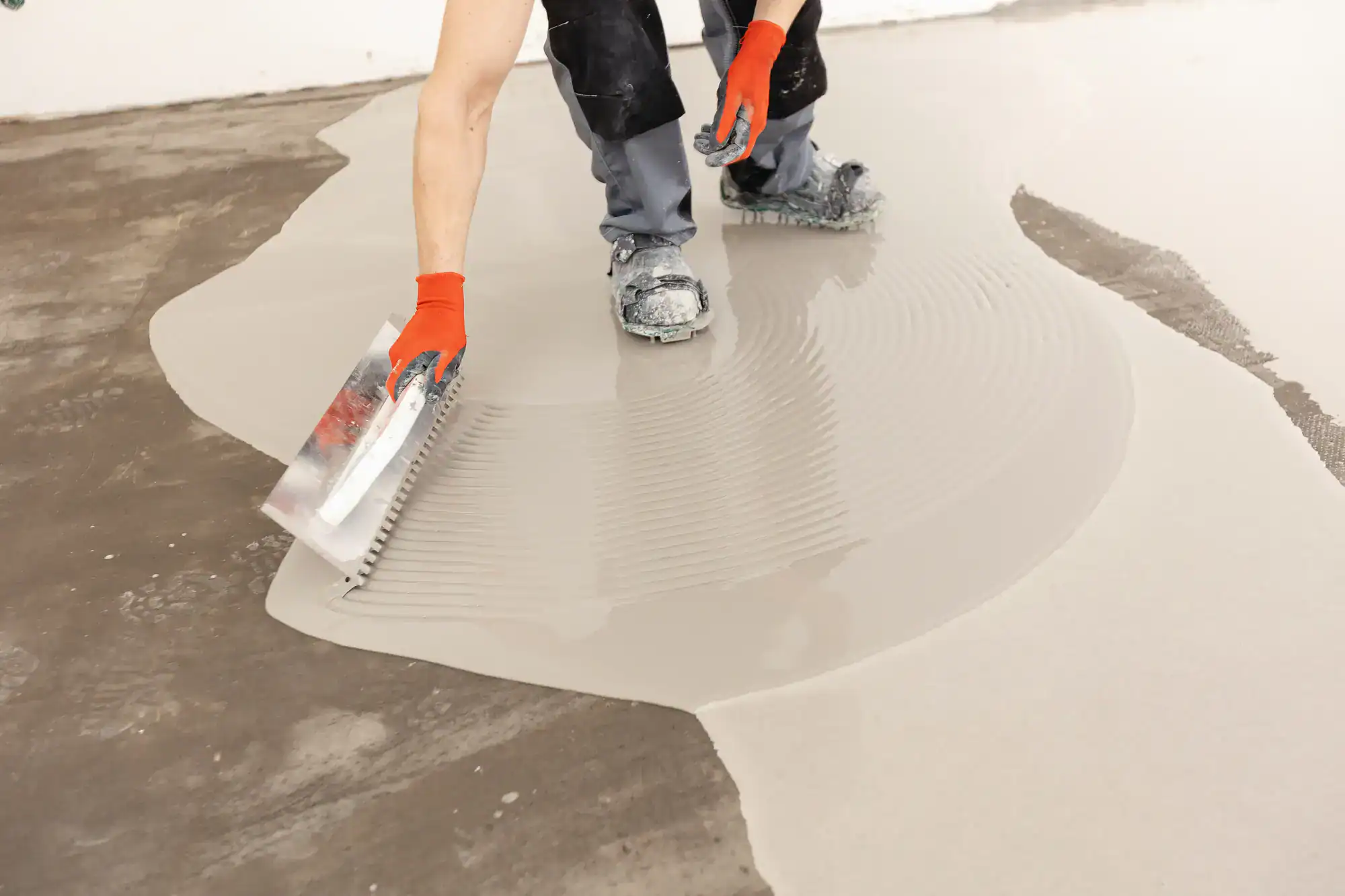
Application technique affects thickness and uniformity. Epoxy needs to be applied at the right thickness—too thin and it wears quickly, too thick and it can develop issues during curing. We know how to spread the material evenly, work out air bubbles, and ensure consistent coverage. We also understand how temperature and humidity during application affect curing time and final hardness.
The topcoat is your floor’s first line of defense. Many DIY kits skip this step or use inferior products. A quality polyurethane or polyaspartic topcoat adds abrasion resistance, UV protection, and makes the floor easier to clean. This layer takes the daily beating so the base epoxy stays protected. Without it, even good epoxy wears faster.
Curing time is non-negotiable. Epoxy needs time to fully cure before it can handle traffic. Rushing this process by walking on the floor too early or parking vehicles before the coating has reached full strength compromises durability. We provide clear timelines and ensure the floor is fully cured before you use it.
All of these factors compound. A floor with poor surface prep, incorrect mixing, thin application, no topcoat, and rushed curing will fail quickly. Get all of them right, and you’re looking at decades of performance. This is why professional installation consistently delivers longer-lasting results than DIY attempts.
The gap between professional epoxy systems and DIY kits isn’t small—it’s massive. DIY kits fail within one to three years in most cases, while professional installations regularly last 15 to 20 years. Understanding why helps you make a smarter choice about which route to take.
Material composition is the first major difference. Most DIY kits use water-based or low-solids epoxy. These products are designed to be easy to apply, not durable. The solids content—the actual resin that stays on your floor after everything cures—is often only 30% to 50% in DIY products. The rest is water or solvents that evaporate. Professional-grade epoxy is typically 90% to 100% solids, meaning you’re getting a much thicker, stronger coating.
Thickness directly correlates with lifespan. DIY kits typically create a coating around 5 mils thick. Professional systems range from 15 to 30 mils or more, depending on the application. That extra thickness provides more protection against abrasion, impacts, and chemical exposure. It’s like comparing a t-shirt to a winter coat—both cover you, but one offers significantly more protection.
Surface preparation equipment makes a huge difference. DIY approaches rely on acid etching or light mechanical prep with handheld tools. We use industrial grinders that create a proper surface profile and remove contaminants thoroughly. This preparation ensures the epoxy bonds deeply into the concrete rather than just sitting on the surface.
Experience matters when it comes to problem-solving. We encounter variations in concrete condition, temperature, humidity, and other factors that affect application. We know how to adjust our approach for each situation. DIY installers are learning as they go, often discovering problems after it’s too late to fix them.
Product quality extends beyond the base epoxy. Professional systems include primers designed for better adhesion, base coats formulated for specific conditions, and topcoats that provide superior protection. DIY kits often skip the primer and topcoat entirely, or include inferior versions that don’t offer real protection.
The cost comparison is revealing. A DIY kit might cost $200 to $500 upfront, but if you need to redo it every two to three years, you’re spending more over time than a professional installation that lasts 15 to 20 years. Plus, you’re investing your time and dealing with the frustration of repeated failures.
Hot tire pickup is a common DIY failure point. This happens when the coating isn’t thick enough or properly cured, and your car’s warm tires literally pull the epoxy off the floor. Professional systems with proper thickness and topcoats resist this issue. DIY kits often don’t, leading to ugly bare spots where you park.
Warranty and support matter too. We stand behind our work with warranties. If something goes wrong, we fix it. DIY kits come with no such guarantee. If your floor fails, you’re buying more materials and starting over on your own dime.
The reality is that DIY epoxy kits aren’t designed for longevity—they’re designed for ease of purchase and application. That’s not necessarily bad if you understand what you’re getting, but it does mean you should expect a much shorter lifespan and be prepared for more frequent maintenance or replacement.
Epoxy flooring offers impressive durability when you approach it with realistic expectations and smart decisions. Professional installation delivers 10 to 20 years of performance in most environments, while DIY kits typically last a fraction of that time. The difference comes down to materials, preparation, expertise, and maintenance.
If you’re investing in epoxy flooring for your Connecticut home, business, or facility, focus on quality over shortcuts. Proper surface preparation, high-grade materials, adequate thickness, and professional application create a floor that handles whatever you throw at it—road salt, chemicals, heavy traffic, and daily use.
Maintenance extends lifespan significantly. Regular cleaning, prompt attention to spills, and periodic inspections catch small issues before they become expensive problems. It’s not complicated or time-consuming, but it makes a real difference in how long your floor looks and performs like new.
When you’re ready to move forward with epoxy flooring that’s built to last, we bring decades of experience to residential, commercial, and industrial projects throughout Hartford County, New Haven County, New London County, and Middlesex County. We understand Connecticut’s unique challenges and deliver flooring solutions designed for real-world durability.
Summary:
Article details:
Share: