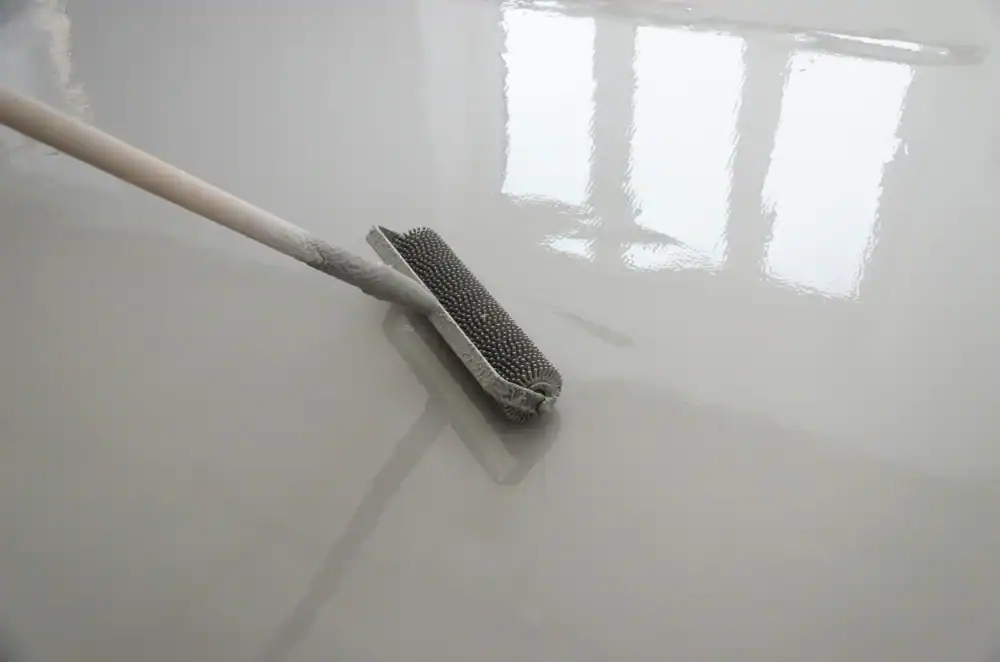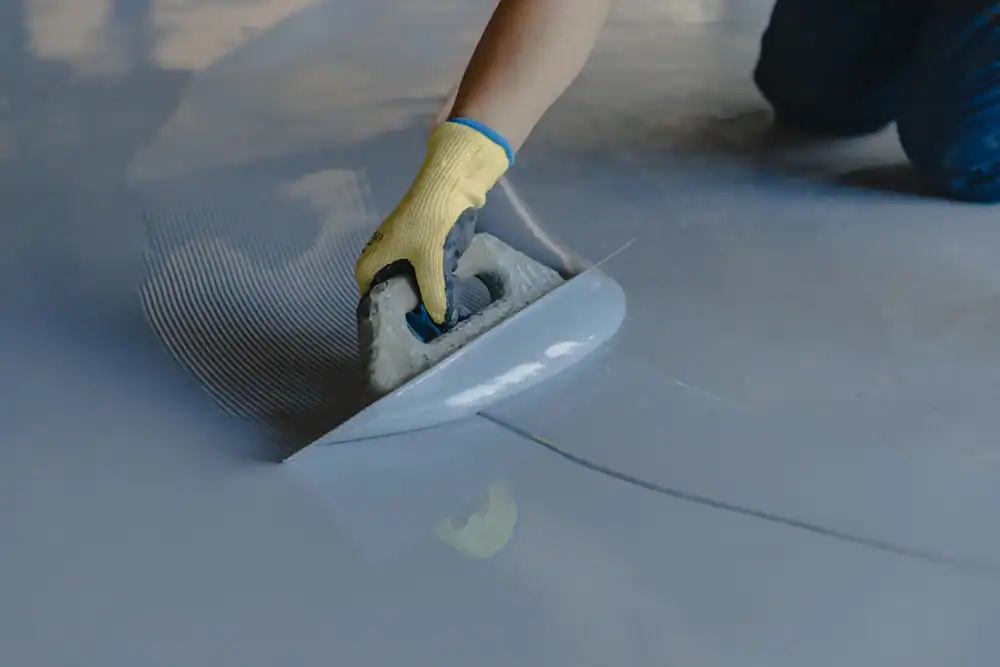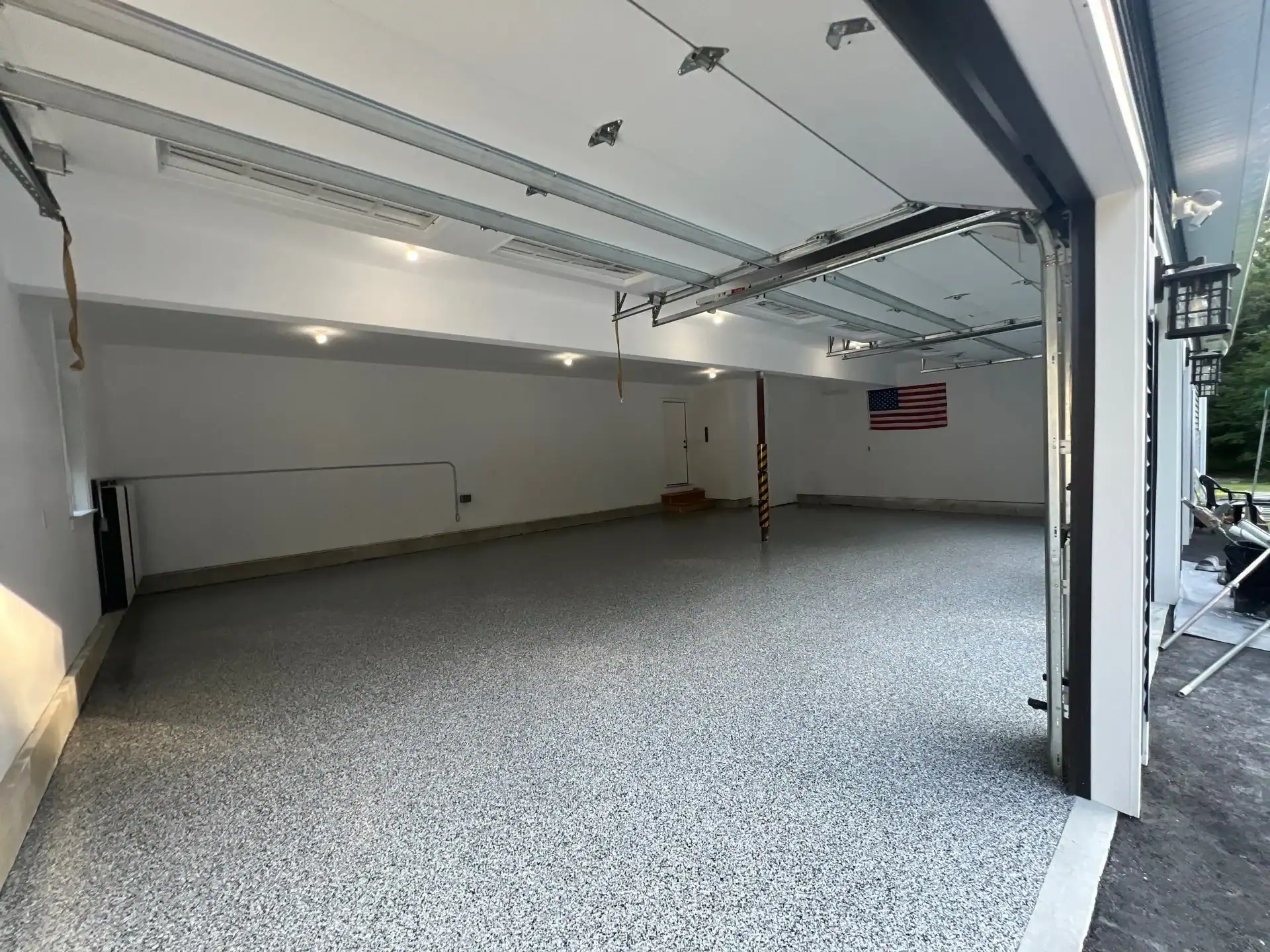
Damaged warehouse floors cost Connecticut businesses thousands in forklift tires and "oops" moments. Professional epoxy flooring delivers 200% ROI while making your facility look like it actually belongs in this century.
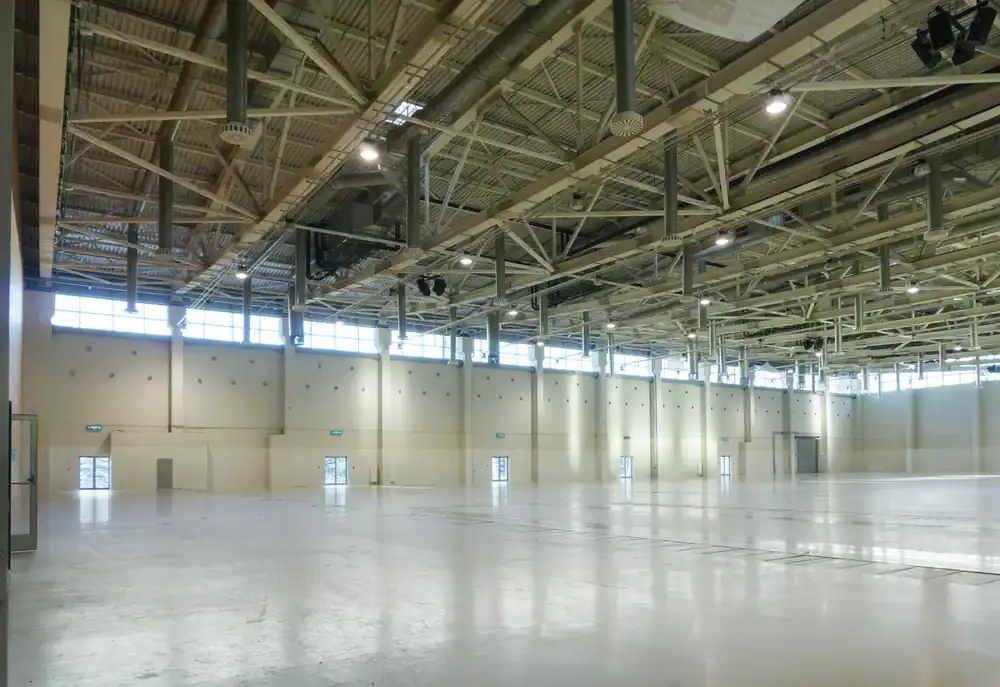
Most managers know their floors need work, but they treat it like a gym membership—something they’ll “get to eventually.” Meanwhile, that deteriorating concrete is charging you an invisible tax on every single shift.
It starts small: a little spalling here, a “harmless” crack there, or a layer of concrete dust that makes everything look like it was stored in a flour mill. But beneath that dusty surface, you’re bleeding cash. From equipment repairs to worker comp claims, that “free” bare concrete floor is actually the most expensive tenant in your building.
Here’s a fun fact to share at the next board meeting: 20% of all forklift maintenance is caused by bad concrete. If your forklifts could talk, they’d be filing a grievance with HR about the working conditions.
When a forklift hits a deteriorated expansion joint, it’s like your car hitting a pothole on I-95 at full speed—except the forklift doesn’t have fancy shock absorbers. A single set of tires can cost up to $2,000. If your floor looks like the surface of the moon, you’re buying those tires way too often.
But it’s not just the rubber. The vibration rattles bearings, loosens hydraulic fittings, and stresses the mast. You’re paying for “normal wear and tear” that is actually “avoidable floor-inflicted trauma.” Plus, uneven floors force operators to drive like they’re navigating a minefield, killing your productivity. You’re paying people to drive slow because your floor can’t keep up.
Slip-and-fall accidents are the second leading cause of warehouse fatalities. If that doesn’t wake you up, maybe the bill will: the average cost per workplace injury is around $42,000. That’s a very expensive trip to the breakroom.
Damaged concrete is a buffet of hazards. Cracks become trip points, and unsealed concrete produces “concrete dust,” which is essentially microscopic sandpaper that’s bad for lungs and even worse for floor traction. If a contractor or visitor takes a tumble on your watch, you’re looking at OSHA fines that start at $7,000 and go up into “I need a drink” territory (up to $150,000 for serious violations). A professional epoxy floor doesn’t just look clean; it provides predictable traction. We can even add slip-resistant textures so your team stays vertical and your insurance agent stays happy.
Want live answers?
Connect with a American Poly Floor expert for fast, friendly support.
Epoxy flooring isn’t a cosmetic luxury; it’s an investment with a better return than most stocks. Most operations see the system pay for itself within 2-3 years.
Think about it: if you invest in a floor that lasts 15-20 years and cuts your equipment maintenance by 40%, the math practically does a victory lap. You’re moving from a “fix it when it breaks” mentality to a “it never breaks” reality. That’s a 200% ROI that keeps your CFO smiling.
Connecticut floors deal with more drama than a reality TV show. Between the humidity and the road salt tracked in during winter, bare concrete never stands a chance.
We use systems specifically designed for the New England grind. Our epoxy and polyaspartic coatings create an impermeable seal. When the salt-slush from your delivery trucks melts, it just sits on top like a bored teenager. It can’t soak in, so it can’t freeze and “pop” your concrete.
Properly installed epoxy also “bridges” those annoying joints, preventing the edges from chipping when heavy loads roll over them. It’s like giving your floor a permanent suit of armor against the Connecticut climate.
Beyond the big repairs, there are the daily wins.
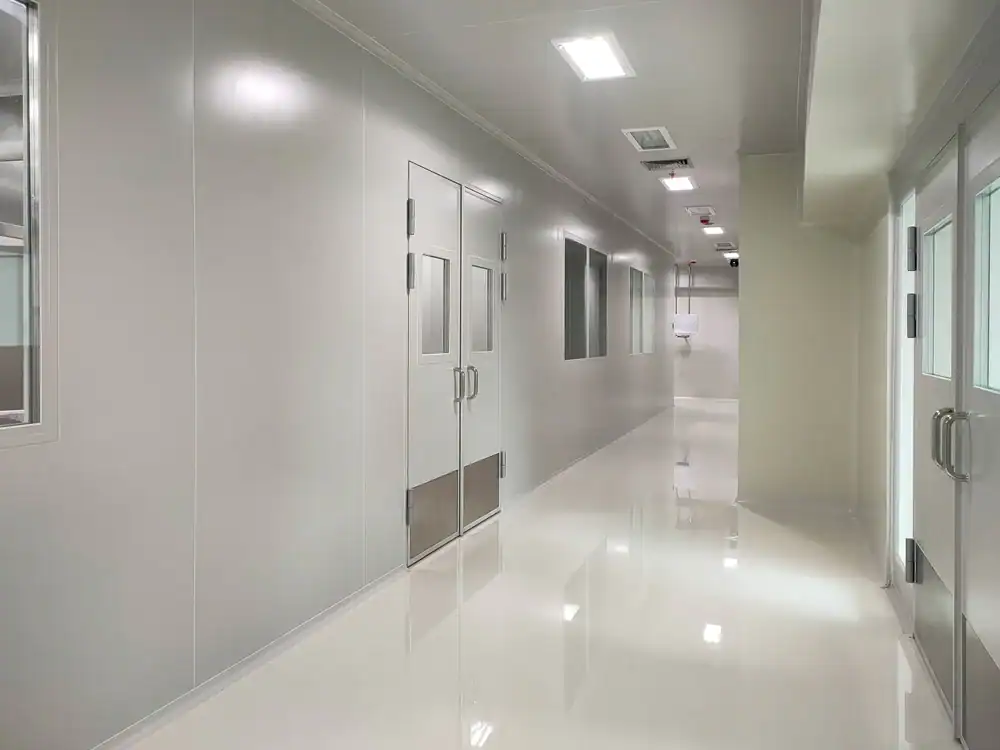
Let There Be Light: Epoxy is reflective. It brightens the warehouse so much you might actually be able to read the labels on the top rack without a flashlight. Some facilities even save on their electric bill because they don’t need as many lights.
Cleaning is a Breeze: Forget the heavy-duty scrubbers and chemical warfare. A quick mop with a pH-neutral cleaner and you’re done. You’ll save thousands on janitorial labor over the life of the floor.
Minimal Downtime: We know you have stuff to move. Our fast-cure systems can handle foot traffic in as little as 6 hours. We can often get in and out over a weekend so you don’t lose a single shift.
Your warehouse floor is either helping you make money or helping you lose it. There isn’t much middle ground.
Deteriorating concrete puts you in a “reactive” cycle—forever patching, forever complaining about forklift tires, and forever worrying about the next OSHA walk-through. At American Poly Floor , we help you break that cycle.
Whether you’re in Hartford, New Haven, New London, or Middlesex County, we’re ready to turn your floor into a high-performance asset. Let’s stop the bleeding and start the sealing.
Summary:
Share: