Real epoxy flooring costs for Hartford County homeowners — what drives prices up, what's worth paying for, and what the cheap quotes are actually skipping.
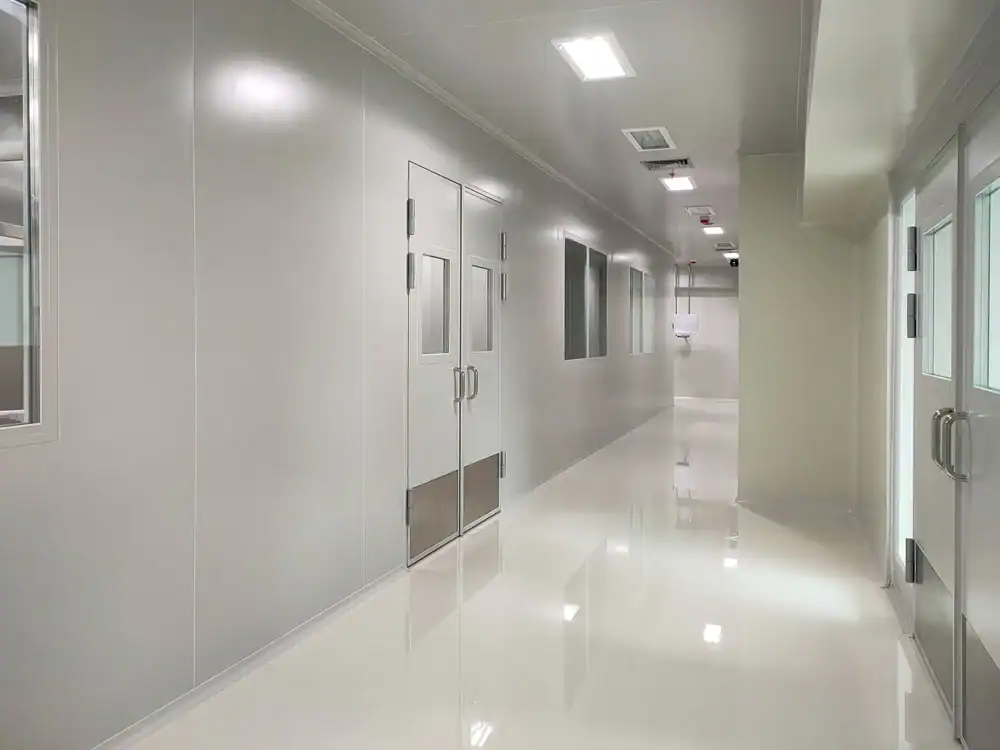
If you’re trying to figure out what epoxy flooring actually costs in Hartford County, you’ve probably already noticed that the numbers online are all over the place. Three dollars a square foot. Twelve dollars a square foot. Sometimes more. That range isn’t random — it reflects real differences in materials, preparation, and what kind of floor you’re starting with. In Hartford County especially, those variables matter more than most people expect. The climate here, the age of the housing stock, the groundwater — all of it affects what a proper installation actually requires. This page gives you a straight answer on what to expect, what drives costs up or down, and how to tell whether a quote is giving you a real floor or just a temporary one.
Based on completed projects across Hartford County, professional epoxy floor installation runs between $3 and $15 per square foot, with most residential jobs landing somewhere in the $5 to $9 range once materials, preparation, and application are factored in. A standard two-car garage typically comes out between $1,600 and $6,000 depending on the system and the condition of the slab. A basement project in the 500 to 1,000 square foot range usually runs $2,000 to $8,000.
What separates the low end from the high end isn’t the finish you pick. It’s what happens before the coating ever touches the floor.
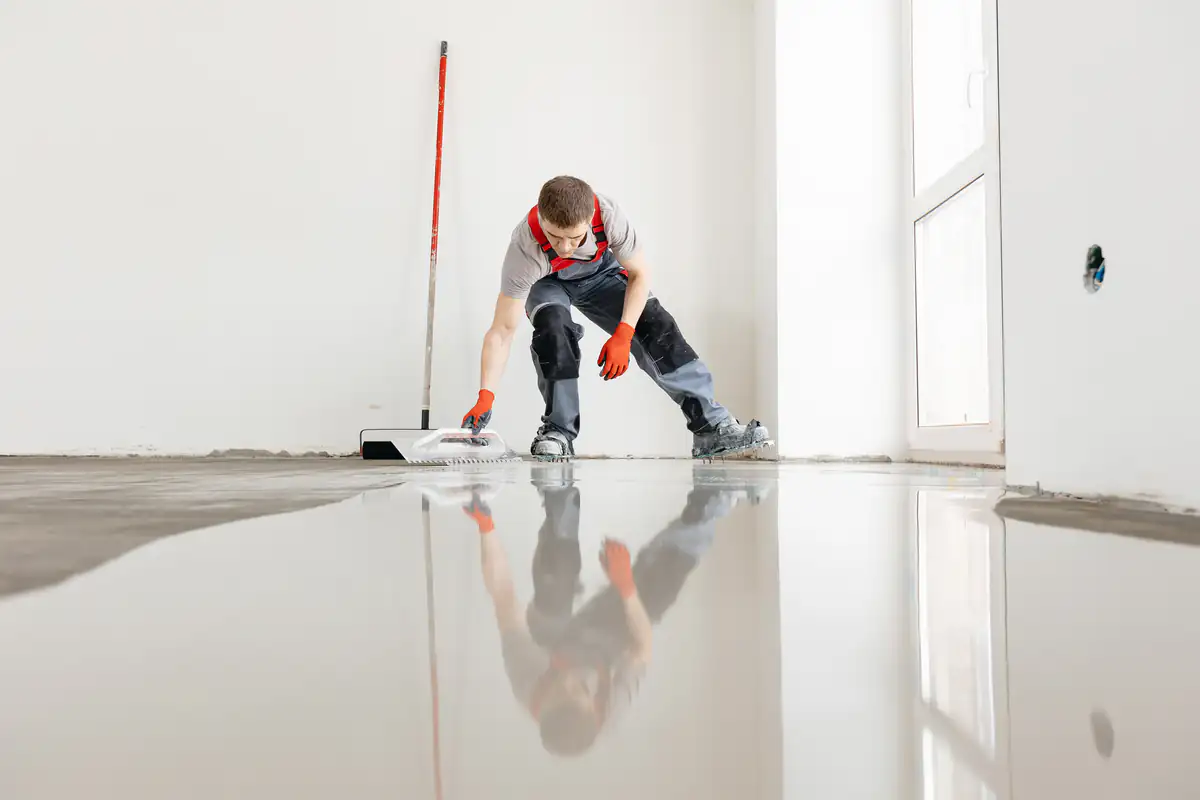
The price you pay for professional epoxy flooring breaks down into three main categories: surface preparation, materials, and labor. Of those three, preparation is the one that determines whether the floor lasts or fails — and it’s also the one most commonly cut when a contractor is trying to hit a lower number.
Surface preparation typically adds $1 to $5 per square foot to a project. That includes diamond grinding the concrete to create the right surface profile for adhesion, testing for moisture, repairing cracks with flexible compounds, and applying a vapor barrier primer if the slab needs it. In Hartford County, where homes built between 1940 and 1980 are the norm, most concrete floors have decades of staining, surface deterioration, and at least some crack damage from freeze-thaw cycles. That work has to happen before anything else.
Materials account for another $1 to $5 per square foot depending on the system. Water-based epoxy sits at the lower end and is the least durable option. Solvent-based and 100% solid epoxy systems cost more but last significantly longer — up to 20 years with proper installation. Polyaspartic coatings, which cure in hours rather than days and hold up better in Connecticut’s temperature swings, fall at the higher end of the material cost range and are worth it for most residential applications here.
Labor runs $3 to $7 per square foot and typically accounts for 40 to 60 percent of the total project cost. Most residential jobs require two professionals and take two to three days from start to finish. If a quote looks unusually low, that’s usually where the savings are coming from — fewer coats, faster prep, or both.
One number worth keeping in mind: removing a failed epoxy coating before recoating costs $5 to $7 per square foot on its own. A $3 per square foot installation that fails in three years ends up costing more than a quality installation done right the first time.
Hartford County sits in a part of Connecticut that’s genuinely hard on concrete. The county averages 20 to 40 freeze-thaw cycles every year. Water gets into micro-cracks in the slab, freezes, expands, and widens those cracks. By the time most homeowners are looking at epoxy, their garage or basement floor already has stress fractures that need to be addressed before any coating goes down.
Then there’s moisture. The Connecticut River runs through the county, and the surrounding soil — glacial till, much of it clay-heavy — doesn’t drain well. In communities like East Hartford, Wethersfield, Windsor, and Rocky Hill along the river corridor, moisture vapor pushing up through basement slabs is less of a possibility and more of a near-certainty in older homes. That vapor has to go somewhere, and if a coating is applied over an untreated slab, it will eventually push the coating up from underneath. That’s the bubble-and-peel failure you’ve probably read about or seen firsthand.
Addressing moisture properly means testing the slab, then applying a specialized vapor barrier primer before any epoxy touches the surface. It adds cost. It also adds the difference between a floor that holds up and one that doesn’t. We treat this as a standard part of the process, not an optional upgrade — because in Hartford County’s housing stock, skipping it is the most predictable way to end up with a failed floor.
Road salt is another factor that doesn’t get talked about enough. Connecticut winters mean constant exposure to chloride-laden salt tracked in by vehicles. That contamination has to be completely removed before epoxy can bond properly, which is why diamond grinding — not just cleaning or acid etching — is the right preparation method for garage floors here. It’s slower and it costs more, but it’s the only approach that actually works.
Want live answers?
Connect with a American Poly Floor expert for fast, friendly support.
Refinishing a cement basement floor is a different project than coating a garage, and the cost drivers are different too. Basement slabs tend to have more moisture exposure, less air circulation, and in older Hartford County homes, more accumulated damage. The starting condition of your floor has a direct impact on what the project actually involves.
Professional basement floor refinishing in Hartford County runs $4 to $12 per square foot, with most complete basement projects landing between $2,000 and $8,000 depending on size and condition. A 500 square foot basement typically comes in at $2,000 to $5,300. A larger 1,000 square foot space runs $4,000 to $10,500.
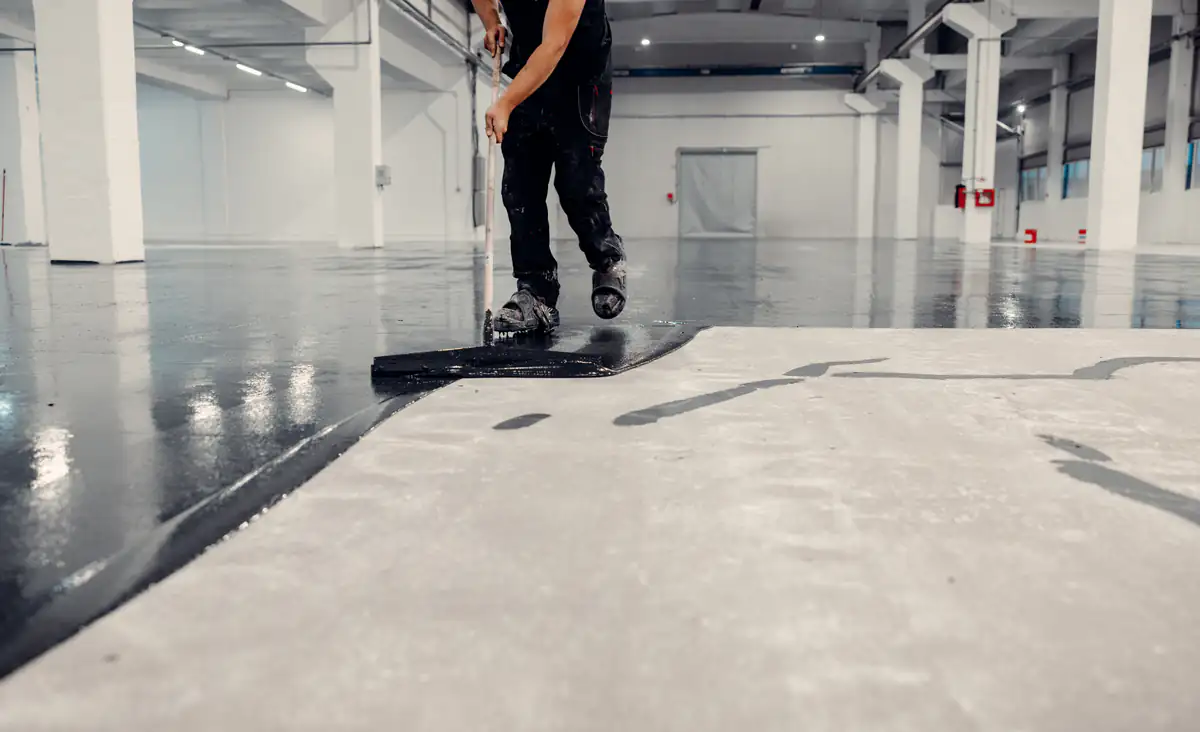
The single biggest variable in basement floor refinishing cost is what you’re starting with. A slab that’s structurally sound with minor surface wear is a straightforward project. A slab with significant cracking, active moisture issues, or a previous coating that’s failing is a different scope entirely — and trying to coat over those problems instead of fixing them first is how floors fail.
Crack repair is a standard part of the preparation process, but the type of repair matters. Rigid fillers are the cheap option, and they crack again within months as the concrete continues to move through Hartford County’s seasonal temperature swings. Flexible crack repair compounds move with the slab, which is the right solution for a climate like this one.
If your basement has a previous coating — paint, sealant, or a failed epoxy application — that has to be evaluated before anything new goes down. In some cases it can be prepared and coated over. In others, it needs to come off completely. Grinding out a failed coating adds to the project cost, but it’s not optional if you want the new surface to hold.
Moisture is the most important variable of all in basement refinishing. Before we apply anything, we test the slab. Readings above a certain threshold require a high-moisture base coat or a full vapor barrier system before the epoxy layer. This step adds cost upfront and prevents the far more expensive problem of a delaminated floor six months down the road. For most Hartford County basements in homes built before 1980, some level of moisture mitigation is part of the project — not an exception to it.
The end result, when the preparation is done correctly, is a floor that’s non-porous, seamless, resistant to moisture and staining, and genuinely transformative. Customers consistently describe the change from a stained, dusty concrete slab to a finished epoxy surface as more dramatic than they expected — the kind of upgrade that makes the rest of the basement look different too.
Epoxy isn’t the only option for a basement floor, and it’s worth understanding how it compares before you decide. The most common alternatives are polished concrete, vinyl plank flooring, and tile — each with different cost profiles and practical trade-offs.
Polished concrete is a strong option for basements where you want a clean, low-maintenance surface without a coating layer. It runs $3 to $8 per square foot professionally and produces a durable, attractive result. The limitation is that it doesn’t add the same level of moisture resistance as a properly applied epoxy system with a vapor barrier primer. For basements with active moisture issues, polished concrete alone doesn’t solve the underlying problem.
Vinyl plank flooring is popular because it’s relatively affordable ($2 to $5 per square foot installed) and comes in a wide range of styles. The trade-off is that it sits on top of the concrete rather than bonding to it, which means moisture vapor can still push up underneath and cause buckling or mold over time. In a Hartford County basement with any history of dampness, vinyl plank is a surface-level fix to a subsurface problem.
Tile is durable and water-resistant on the surface, but grout lines trap moisture and dirt, installation costs run $5 to $10 per square foot or more, and the floor is cold, hard, and unforgiving underfoot. It’s a reasonable choice for certain basement uses but not ideal as a general-purpose floor coating.
Professionally installed epoxy with proper preparation delivers a seamless, non-porous surface that actually addresses moisture rather than ignoring it. It’s chemical resistant, easy to clean, and — when installed with the right system — rated to last 10 to 20 years. We offer a 10-year insurance-backed warranty on our installations, which reflects that confidence directly. It’s not a verbal promise; it’s coverage that survives regardless of what happens.
For most Hartford County homeowners weighing basement flooring solutions, the honest comparison isn’t just upfront cost — it’s which option you’re likely to have to redo in five years and which one you won’t.
For most Hartford County homeowners, the answer is yes — with one condition. It has to be done right. A professionally installed epoxy floor with proper preparation, moisture mitigation, and a quality coating system will last 10 to 20 years and hold up to everything Connecticut winters and daily use can throw at it. A cheap installation that skips the preparation steps will look fine on day one and start failing within a few years, leaving you with a removal and recoating bill on top of whatever you paid the first time.
The pricing range in this market is real. You can find quotes at the low end and quotes at the high end, and the difference is almost never in the finish you see — it’s in the work that happens before the coating goes down. Moisture testing, diamond grinding, flexible crack repair, vapor barrier primers: these are the steps that determine whether a floor holds.
If you’re in West Hartford, Glastonbury, Simsbury, Newington, or anywhere else in Hartford County and you want a straight answer on what your specific floor needs and what it will actually cost, we’re based right here in East Hartford and have been doing this work across Connecticut long enough to know what these floors require. Reach out and we’ll give you a real assessment — no pressure, no guesswork.
Summary:
Article details:
Share: