You invested in a professional epoxy garage floor. Here's exactly how to protect it — through Connecticut winters, road salt season, and everything in between.
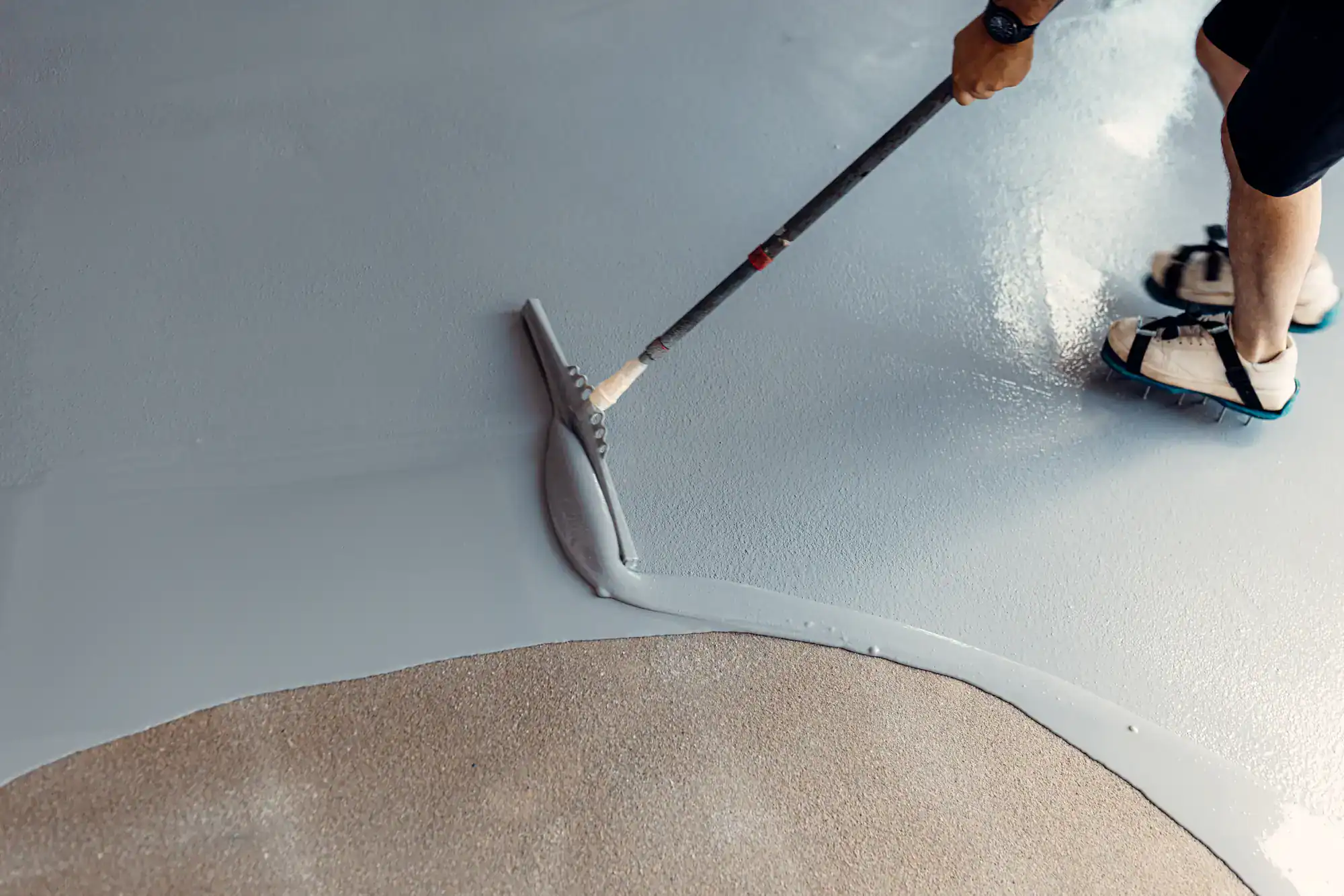
You just had your garage floor done. It looks incredible — clean, bright, finished. Maybe for the first time in years, you actually want to walk into that space. The last thing you want is to watch it peel, yellow, or dull out in three years because of something you could have easily prevented.
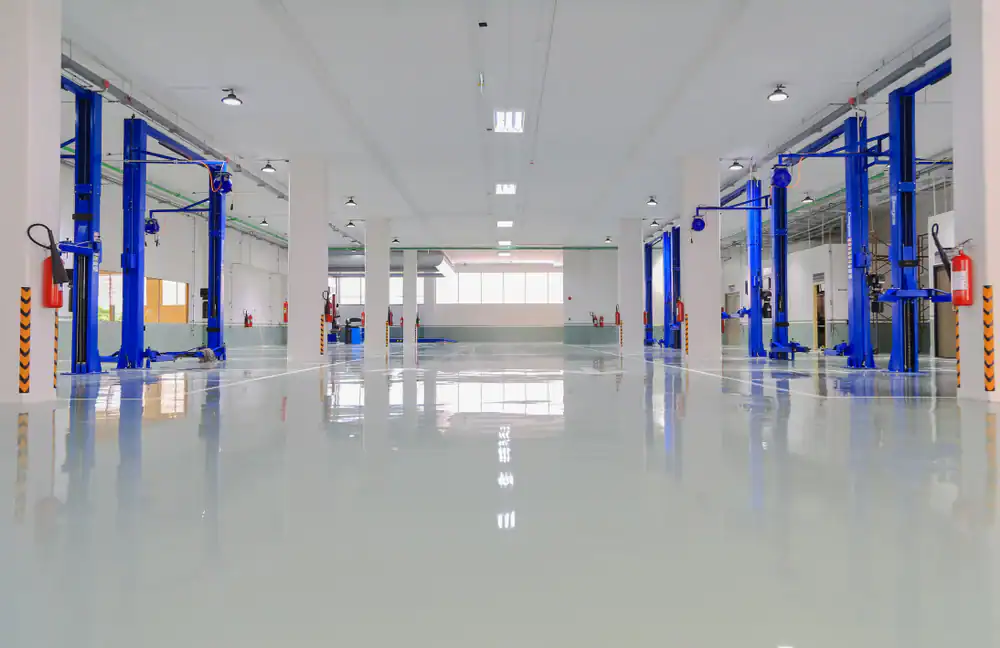
The honest truth is that a professionally installed epoxy finish garage floor doesn’t ask much from you. But it does ask a few specific things. Get those right, and you’re looking at 15 to 20 years of a floor that holds up through Connecticut winters, road salt season, and everything your garage throws at it. Here’s what that actually looks like in practice.
This is where most people go wrong — not through neglect, but by reaching for the wrong cleaner. Epoxy and polyaspartic coatings are tough, but they have one real vulnerability: harsh chemicals. Bleach, ammonia, vinegar, and acetone can all break down the surface over time, dulling the finish and weakening the topcoat. The irony is that the products people grab to clean their garage are often the exact ones they should be avoiding.
What actually works is simpler than you’d expect. A soft broom or microfiber dust mop for regular sweeping, and a mop with warm water and a small amount of mild, pH-neutral dish soap for anything more serious. That’s genuinely the whole routine for most weeks. No special products, no complicated process — just consistency.
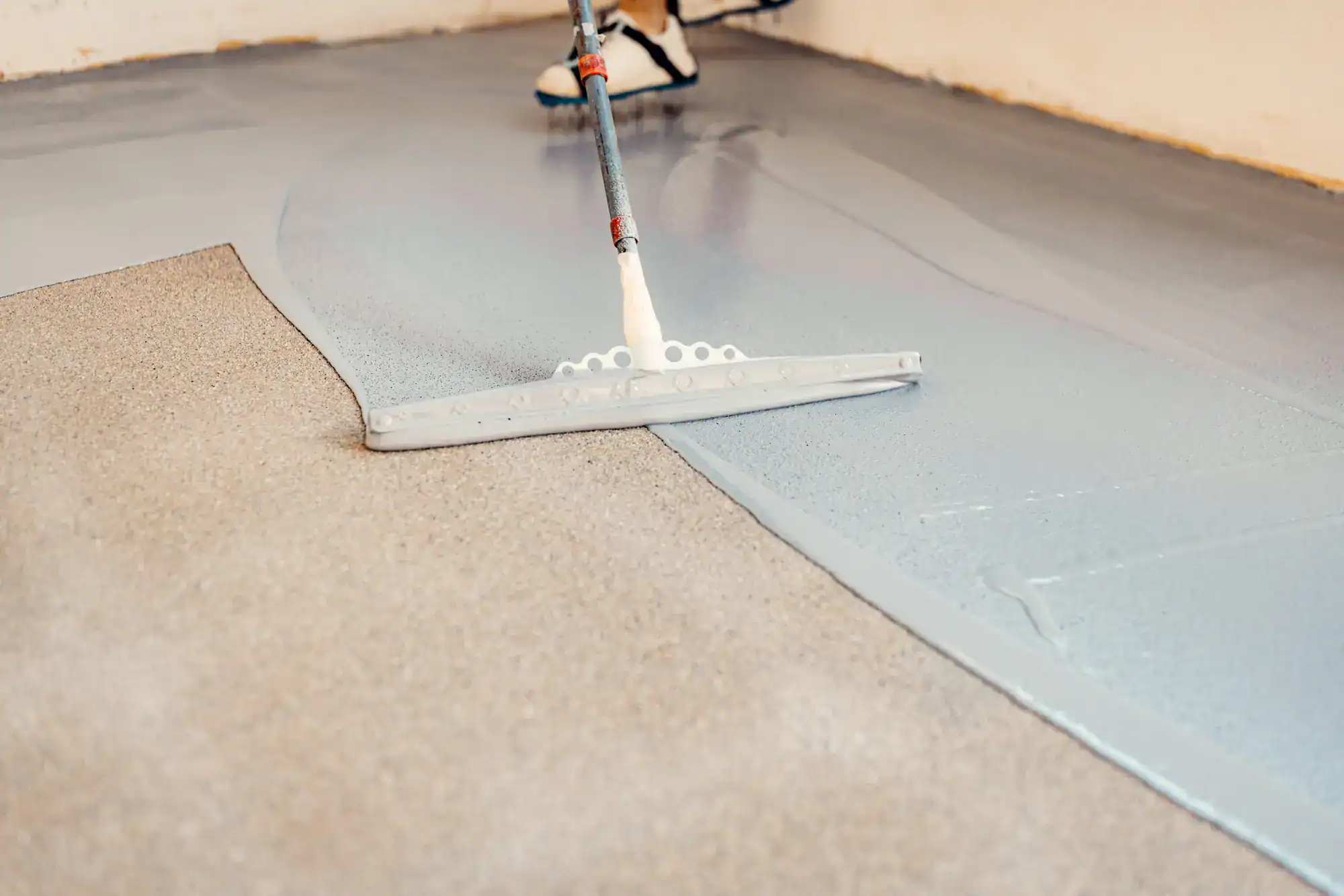
The list of things to avoid is more important than the list of things to use. Steel wool, wire brushes, and abrasive scrubbing pads are out entirely — grit acts like sandpaper on a coated surface, and over time it creates micro-scratches that accumulate and dull the finish. Even if a stain feels stubborn, aggressive scrubbing does more damage than the stain itself.
On the chemical side, anything acidic or solvent-based is a problem. That includes common household cleaners like vinegar-based sprays, ammonia-based glass cleaners, and anything containing bleach. These don’t just clean — they slowly degrade the topcoat. The same goes for strong degreasers that aren’t specifically rated as safe for coated concrete.
Battery acid deserves a specific mention because it surprises people. If you park a motorcycle, golf cart, or older vehicle in your garage, the battery can occasionally discharge small amounts of acid onto the floor. It’s one of the few substances that will actively damage a polyaspartic coating rather than just sitting on top of it. Placing a rubber mat or drip tray under the battery compartment is a simple fix that most people don’t think about until after the damage is done.
The good news is that once you know what to avoid, the rest is easy. Mild soap, warm water, and a soft mop will handle the vast majority of what ends up on a garage floor — oil drips, dust, tracked-in mud, and general grime. If you’ve ever over-complicated your cleaning routine, you can simplify it significantly and actually get better results.
Regular sweeping and spot mopping handles the day-to-day, but a proper deep clean every six to twelve months makes a noticeable difference in how the floor looks and how long the finish holds up. For homeowners across Hartford County, New Haven County, New London County, and Middlesex County, once or twice a year lines up naturally with the seasons — once in spring after the road salt stops, and once in the fall before winter sets in again.
A deep clean doesn’t require anything complicated. A garden hose or pressure washer on a low to moderate setting works well since the floor is completely waterproof. Work from the back of the garage toward the door, rinse thoroughly, and let it dry before parking anything back on it. If there are any oil stains that regular mopping hasn’t fully lifted, a small amount of a non-acidic, non-ammonia degreaser applied directly to the spot and scrubbed gently with a soft brush will usually take care of it.
One thing worth paying attention to during your deep clean is the overall condition of the surface. Look for any areas that seem dull, scratched, or showing wear. Catching early signs of wear means you have options — we can assess whether a maintenance recoat makes sense before any real damage sets in. A floor that gets this kind of attention twice a year consistently looks far better at year ten than one that was ignored and then aggressively cleaned to catch up.
Want live answers?
Connect with a American Poly Floor expert for fast, friendly support.
If you live anywhere in Hartford County, New Haven County, New London County, or Middlesex County, you already know what Connecticut winters do to surfaces. Road salt, freeze-thaw cycles, and months of tracked-in brine are the real test of any garage floor coating — and they’re exactly what a professionally installed epoxy finish garage floor is built to handle.
That said, “built to handle it” doesn’t mean “immune to neglect.” There are a few specific habits that make a real difference in how your floor comes through each winter, and they’re not complicated.
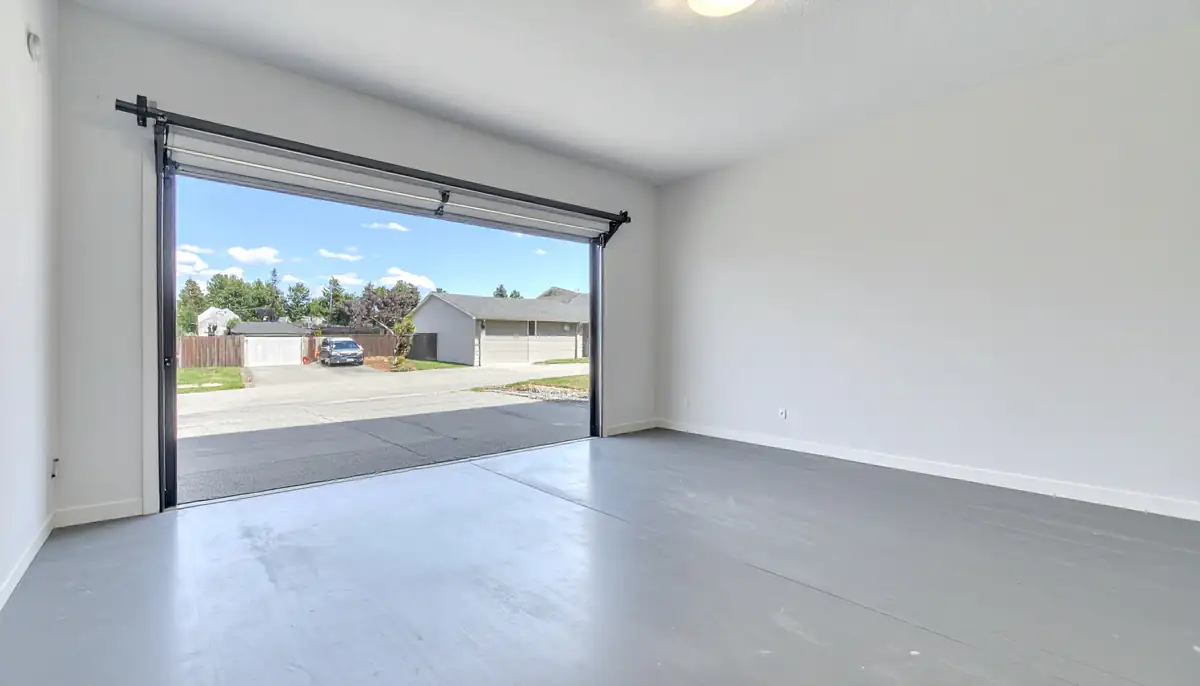
Every time you pull into your garage after a drive on I-95, I-91, or any Connecticut state road between November and March, your tires are depositing a salt brine solution onto your floor. On bare concrete, that brine soaks in, accelerates cracking, and causes the surface to scale and flake — which is exactly what you were trying to solve when you had the floor coated in the first place.
On a properly coated floor, the salt can’t penetrate. It sits on top of the surface rather than absorbing into the concrete below. That’s a significant difference, and it’s one of the main reasons homeowners across West Hartford, Glastonbury, Hamden, Milford, and the Farmington Valley invest in a professional coating before another winter hits.
The one thing you do need to do is rinse it off periodically. Salt that sits on the surface for weeks at a time can still build up into a white residue that dulls the appearance, and in high concentrations it can put stress on the topcoat over a long enough period. A rinse with a garden hose or a quick mop-down every few weeks during peak salt season keeps the surface clean and the finish intact. It takes ten minutes and makes a visible difference by spring.
Using rubber or fabric mats at the garage entry point is another simple habit worth adopting. They catch a significant amount of the salt and snowmelt before it ever reaches the coated surface, which reduces how often you need to rinse and extends the life of the finish in high-traffic entry zones.
Homeowners in towns like Groton, Waterford, Stonington, Old Saybrook, and Clinton are dealing with something inland counties aren’t — salt air exposure year-round, not just during road salt season. The coastal environment along Long Island Sound creates a low-level but persistent moisture and corrosive stress on concrete that adds up over time, regardless of whether it snows.
For these homeowners, the moisture management aspect of a professional installation matters even more than it does inland. A quality coating system includes a moisture vapor barrier primer that prevents ground moisture from pushing up through the slab and causing delamination from underneath — a failure mode that’s more common in coastal and river valley areas like the Connecticut River towns in Middlesex County than most people realize.
Once the floor is installed, the maintenance approach is similar to what any Connecticut homeowner should be doing, just with a bit more attention to moisture. Keeping the garage door closed when coastal humidity is high, rinsing the floor if salt air residue builds up, and making sure any standing water from tracked-in rain or snowmelt is cleaned up promptly all help. None of this is burdensome — it’s more about being aware of the environment your floor is living in.
It’s also worth noting that if you live near the Naval Submarine Base in Groton or anywhere in the shoreline communities of New London County, the combination of salt air, coastal humidity, and heavy vehicle use in your garage makes the quality of the original installation matter significantly. A floor that was diamond-ground, moisture-tested, and finished with a UV-stable polyaspartic topcoat is going to hold up in those conditions in a way that a thin-coat retail system simply won’t.
A professionally installed epoxy finish garage floor, maintained with the habits described above, realistically lasts 15 to 20 years. That’s not a marketing claim — it’s what happens when quality materials, proper surface preparation, and basic ongoing care all line up. The floors that fall short of that lifespan almost always come down to one of two things: a subpar installation to begin with, or maintenance habits that worked against the coating rather than with it.
The five things that actually matter are straightforward: sweep regularly, mop with mild soap and water, rinse road salt off during winter, avoid harsh chemicals and abrasive tools, and do a proper deep clean twice a year. That’s genuinely the whole list for most homeowners across Hartford County, New Haven County, New London County, and Middlesex County.
If you’re still in the process of deciding on a floor or you want to talk through what your specific garage needs, we work with homeowners across all four counties and would be glad to walk you through what a proper installation looks like and what you can expect from it long-term.
Summary:
Article details:
Share: