Your epoxy floor can last 20+ years with the right care. Learn which cleaners to use, which to avoid, and simple maintenance habits that protect your investment.

Epoxy and polyaspartic floor coatings are tough. They’re designed to handle car traffic, dropped tools, chemical spills, and daily wear without breaking down the way bare concrete does. But “tough” doesn’t mean indestructible.
Without basic maintenance, even professional-grade coatings start showing wear within a few years. Scratches from grit. Dull spots from the wrong cleaners. Yellowing from UV exposure. Stains that could’ve been wiped up in 30 seconds but now won’t budge.
The difference between a floor that lasts 20+ years and one that needs replacement in 10 often comes down to a few simple habits. Sweeping regularly. Using the right cleaning products. Catching small issues before they spread. That’s it. You’re not maintaining a show car here—you’re just protecting an investment you’ve already made.
Let’s talk about what actually goes wrong when epoxy floors don’t get basic care. It’s not dramatic at first. You won’t wake up to a peeling floor overnight. But small problems compound.
Dust, sand, and road salt get tracked in from your driveway. If you don’t sweep, that grit sits on the surface. Every time you walk across it or drive over it, those particles act like sandpaper. Slowly, the glossy finish dulls. Micro-scratches accumulate. Within a year or two, the floor that used to shine now looks flat and worn, especially in high-traffic areas near the garage door.
Then there are the cleaning mistakes. Someone uses bleach to clean up an oil stain. Or a citrus-based cleaner because it smells nice. These products are acidic or caustic, and they break down the epoxy’s protective layer. You might not notice it immediately, but over time the coating loses its chemical resistance. It gets softer. Stains that used to wipe away now soak in.
And if you’re in Connecticut, UV exposure is a real issue. Garages that get a few hours of sunlight each day—especially near the door or by windows—start yellowing. That’s polymer degradation from ultraviolet light. It’s a natural process with traditional epoxy, but it accelerates if the floor isn’t sealed properly or if you’re using the wrong topcoat.
None of this means your floor is ruined. But it does mean you’re shortening its lifespan and diminishing the return on your investment. A floor that could’ve lasted 20 years might need resurfacing or replacement in 10. That’s an expensive mistake for something that takes 10 minutes a week to prevent.
The good news? All of this is avoidable. You don’t need to become a maintenance expert. You just need to know what works, what doesn’t, and how to build a simple routine that actually protects the floor without eating up your time.
Here’s the honest answer: it depends on how you use the space. But for most residential garages in Hartford County, New Haven County, or anywhere else in Connecticut, a simple weekly sweep and a monthly mop will keep your epoxy floor in excellent condition.
If your garage sees heavy use—you’re in and out multiple times a day, you work on cars, you track in snow and road salt during winter—bump that up to twice a week for sweeping. High-traffic commercial spaces might need daily attention. But for the average homeowner who parks two cars and uses the garage for storage? Once a week is plenty.
The key is consistency. A quick sweep with a soft-bristle broom or dust mop removes the grit that causes scratches. It takes five minutes. You’re not scrubbing or moving everything around. You’re just getting rid of the dirt and debris before it gets ground into the coating.
Mopping is even less frequent. Once a month, or whenever the floor starts looking dull, grab a mop and a bucket of warm water with a mild cleaner. You’re not deep-cleaning. You’re maintaining the shine and removing any buildup that sweeping didn’t catch. If you spill something—oil, antifreeze, paint—wipe it up right away. Don’t wait for your monthly mop. Most spills are no big deal if you catch them within a few hours, but if you let them sit for days, they can stain or damage the coating.
What about seasonal maintenance? In Connecticut, winter is harder on garage floors. Road salt, sand, and de-icing chemicals get tracked in constantly. You might want to sweep more often during those months, maybe twice a week. Spring is a good time to do a deeper clean—mop the entire floor, check for any damage, and make sure the coating is still in good shape after winter.
Summer brings UV exposure, especially if you keep your garage door open. That’s when yellowing becomes more noticeable on traditional epoxy. If you have a polyaspartic topcoat, you’re protected. If not, consider limiting direct sunlight or adding a UV-resistant sealer.
The point is, maintenance doesn’t have to be complicated. You’re not waxing or polishing. You’re not applying special treatments every month. You’re sweeping regularly, mopping occasionally, and addressing spills when they happen. That’s the routine. Stick to it, and your floor will outlast your car.
Want live answers?
Connect with a American Poly Floor expert for fast, friendly support.
Cleaning an epoxy floor is straightforward, but the products you use make all the difference. The wrong cleaner can dull the finish, leave a hazy film, or even break down the coating over time. The right approach keeps your floor looking new without extra effort.
Start with sweeping or dust mopping. Use a soft-bristle broom or a microfiber dust mop to remove loose dirt, sand, and debris. This is your first line of defense against scratches. If your garage has contraction joints or textured areas, a shop vac works well to get into crevices where dirt hides.
For mopping, stick to warm water and a mild, pH-neutral cleaner. Simple options like a few drops of dish soap (Dawn or Ivory), diluted ammonia (about 4-5 ounces per gallon of water), or a product like Simple Green all work well. Avoid anything with a soap base that leaves residue, and stay away from harsh chemicals like bleach, vinegar, or citrus-based cleaners—they’ll damage the coating.
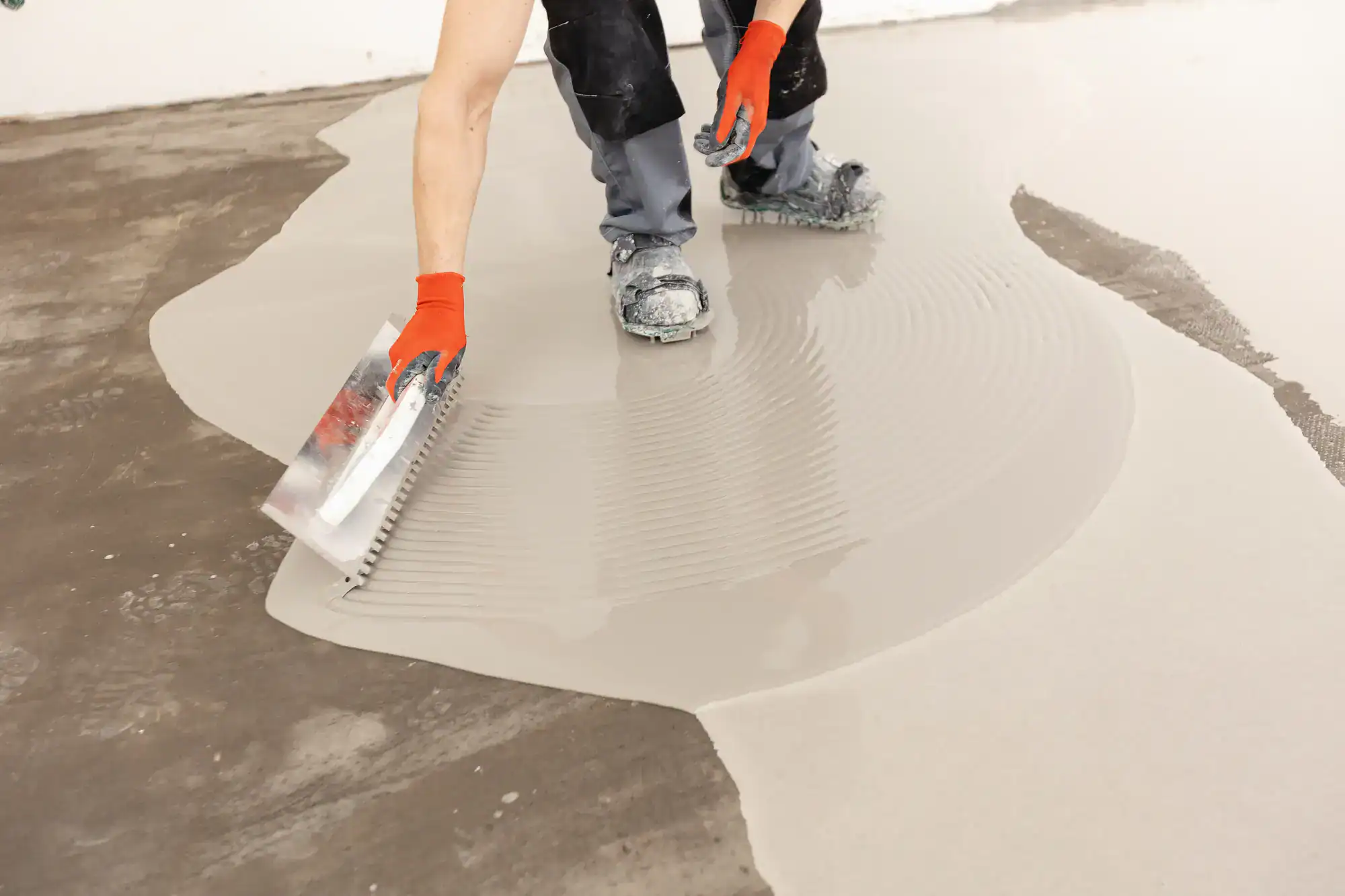
Let’s get specific about what’s safe and what’s not. This is where a lot of homeowners make expensive mistakes, usually because they’re using what they’d use on tile or concrete and assuming it’s fine for epoxy. It’s not.
Safe cleaners for epoxy floors include warm or hot water on its own, which is often enough for light cleaning. For a bit more cleaning power, mix in a small amount of mild dish soap—something non-abrasive and free of degreasers or additives. Products like Simple Green, diluted ammonia, or pH-neutral floor cleaners designed for epoxy are all solid choices. If you’re dealing with a stubborn stain, a small amount of isopropyl alcohol on a soft cloth can help lift it without harming the coating.
Now for what to avoid. Bleach is a common mistake. It’s harsh, it’s corrosive, and it will break down the epoxy over time, causing discoloration and weakening the protective layer. Vinegar and citrus-based cleaners are acidic. They smell nice and work great on countertops, but on epoxy they gradually degloss the finish and can cause clouding or streaking. Soap-based cleaners—anything that foams up like traditional floor soap—leave behind a filmy residue that dulls the shine and makes the floor slippery when wet.
Enzymatic cleaners are another problem. These are marketed as “natural” or “eco-friendly” and they break down organic matter, which sounds great. But they also break down the carbon in epoxy, leading to pitting and areas that become impossible to keep clean. If a cleaner lists enzymes or bacteria as active ingredients, skip it.
Abrasive scrubbers are just as bad as harsh chemicals. Steel wool, stiff wire brushes, and rough scrub pads will scratch the surface. If you need to scrub a tough spot, use a soft-bristle brush or a kitchen sponge—nothing that feels rough or scratchy to the touch.
One more thing: pressure washers. They seem like a fast way to clean a garage floor, and some people swear by them. But high-pressure water will slowly erode the clearcoat, especially if you’re using it regularly. If you absolutely must use one, keep the nozzle at least 18 inches from the surface and use a wide-angle tip to reduce impact. Better yet, stick with a mop and save yourself the risk.
The rule of thumb is simple: if you wouldn’t use it on a car’s paint job, don’t use it on your epoxy floor. Both are protective coatings, and both respond poorly to harsh chemicals and abrasive tools. Treat your floor with the same care, and it’ll reward you with years of performance.
Spills happen. Oil leaks, paint drips, antifreeze puddles—it’s part of using a garage. The good news is that epoxy floors are designed to resist stains, as long as you act quickly. The bad news is that if you ignore a spill for too long, it can become a permanent problem.
For most spills, the fix is simple: wipe it up as soon as you notice it. Use a paper towel, a rag, or a shop towel to blot up the liquid. If there’s any residue left behind, spray the area with a mild cleaner or a mix of warm water and dish soap, then wipe it clean. Done. Most common garage spills—motor oil, brake fluid, even paint—won’t stain epoxy if you catch them within a few hours.
Grease and oil are the most common culprits. If you’ve got a fresh oil spot, blot it first, then clean with a degreaser that’s safe for epoxy or a solution of warm water and a small amount of dish soap. Scrub gently with a soft brush if needed, then rinse and dry the area. If the oil has been sitting for more than 24 hours, it may have started to penetrate the coating. In that case, you might need a stronger degreaser or a small amount of acetone applied carefully to a cloth—never pour it directly on the floor.
Tire marks are another issue, especially if you have a traditional epoxy floor. Hot tires can sometimes leave rubber deposits or even pull up sections of the coating in extreme cases. This is more common with lower-quality DIY kits or floors that weren’t installed with a proper topcoat. If you’re seeing tire marks, saturate the area with a concrete degreaser, let it sit for 5-10 minutes, then scrub with a stiff nylon brush. Rinse thoroughly. If tire pickup is a recurring problem, it’s a sign that the coating wasn’t cured properly or that you need a more heat-resistant topcoat like polyaspartic.
Battery acid is one of the few chemicals that will seriously damage epoxy. If you have an electric golf cart, a motorcycle, or any vehicle with a vented battery, use a mat or tray underneath to catch any leaks. If acid does spill, neutralize it immediately with a baking soda and water mixture, then clean the area thoroughly. Don’t let it sit.
Rust stains from metal shelving or tools can be tricky. If you catch them early, a mild acid cleaner designed for concrete can help, but test it in an inconspicuous spot first. Prevention is easier—use rubber pads or coasters under metal legs to avoid direct contact with the floor.
The takeaway: epoxy floors are stain-resistant, not stain-proof. Quick action solves 95% of spills without any drama. Ignoring them turns a 30-second cleanup into a permanent mark. Keep a roll of paper towels and a spray bottle of mild cleaner in the garage, and you’ll never have a problem.
Maintaining an epoxy garage floor doesn’t require special skills, expensive products, or hours of effort. Sweep weekly. Mop monthly. Use mild cleaners. Wipe up spills when they happen. That’s the routine that keeps your floor looking new for 15, 20, even 30 years.
The real value of proper maintenance isn’t just appearance—it’s protecting the investment you’ve already made. A well-maintained floor performs better, lasts longer, and saves you from costly repairs or premature replacement. It’s also one less thing to worry about. You’re not constantly wondering if you’re doing it right or if that cleaner you just used is going to cause problems down the road.
If you’re in Hartford County, New Haven County, New London County, or Middlesex County and you want a floor that’s built to last with proper care, we specialize in professional-grade epoxy and polyaspartic systems designed for Connecticut homes and businesses. Our installations include UV-resistant topcoats, moisture mitigation, and the kind of surface prep that ensures your floor bonds correctly and performs for decades—not just years.
Summary:
Share: