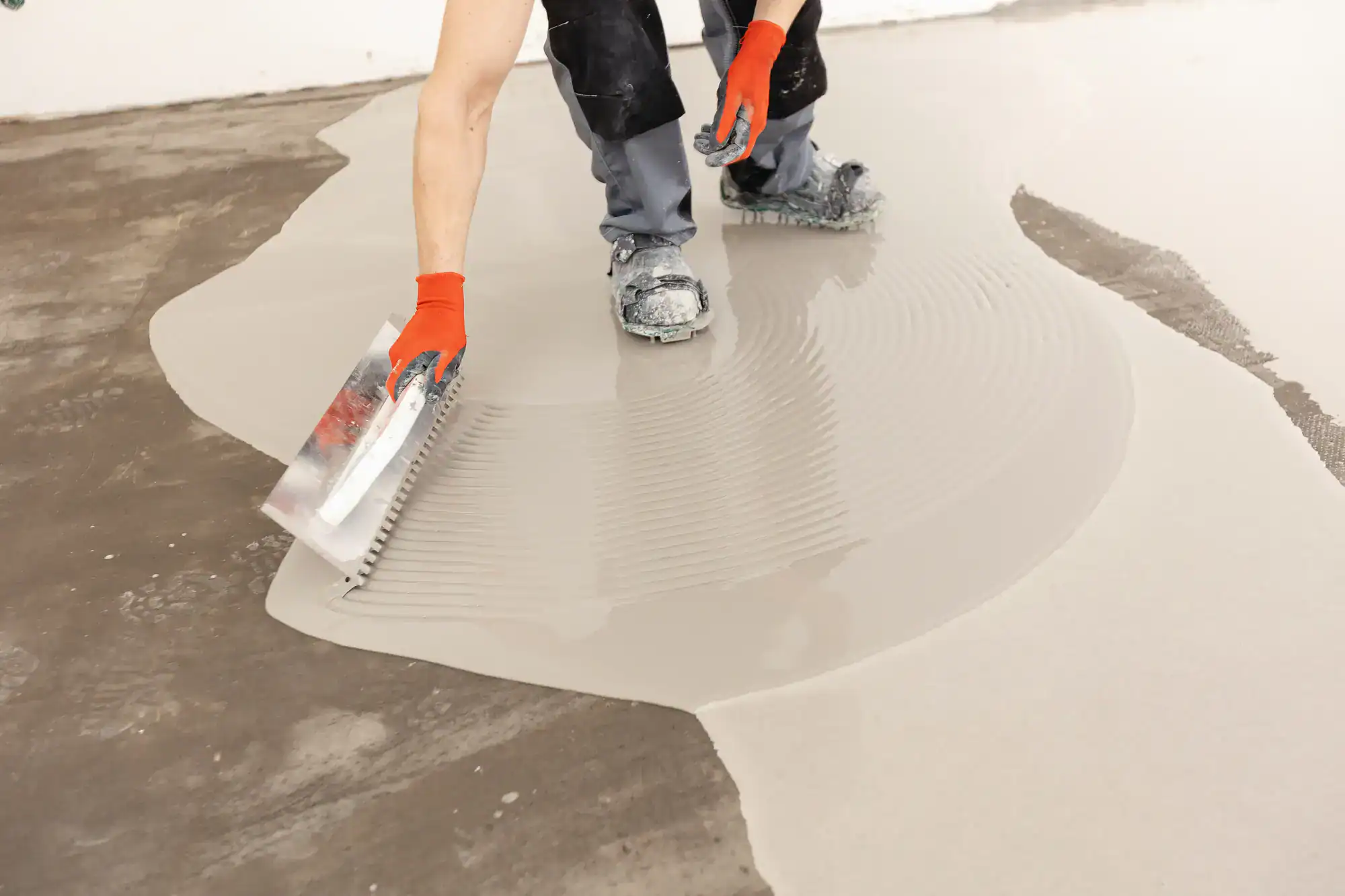
Confused by wildly different epoxy quotes? Here's what actually separates a floor that lasts from one that peels in a year.
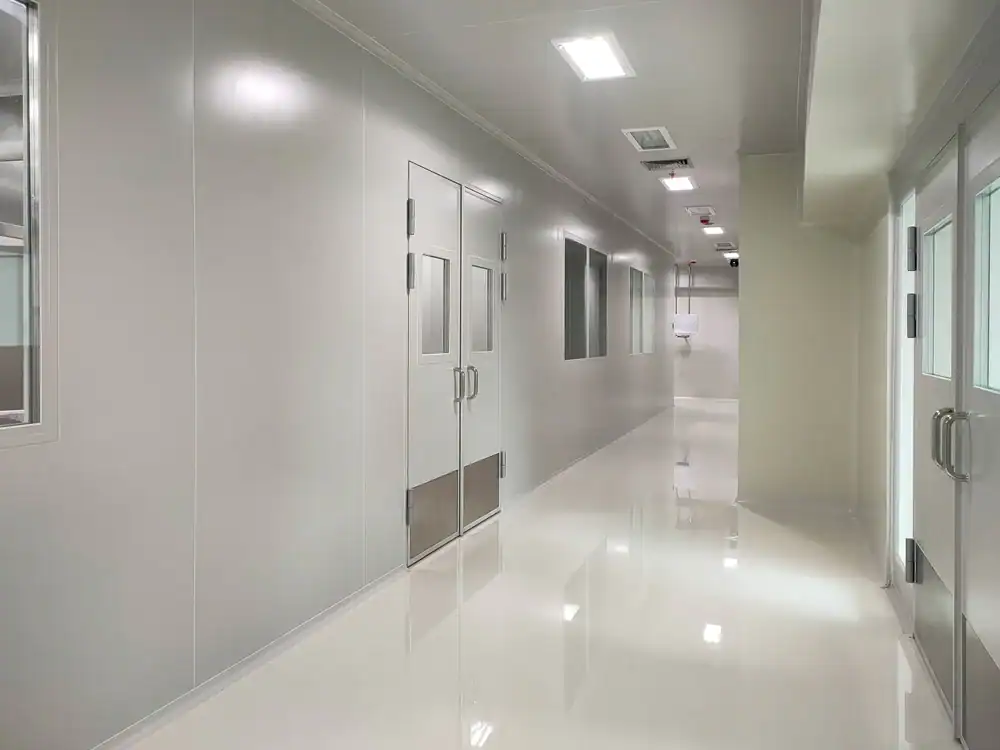
You get two quotes for your garage floor. One comes in at $5 per square foot. The other is $15. Both contractors sound confident. Both have photos of shiny floors on their website. So what exactly are you paying three times more for?
It’s a fair question — and most people asking it have already been burned once. Maybe by a DIY kit from the hardware store. Maybe by a contractor who talked a good game and delivered a floor that started peeling before winter was over. Either way, you’re here because you want to understand what you’re actually buying before you spend the money again. That’s exactly what this page is for.
Not all epoxy is the same product. There are three main system types — 100% solids, water-based, and solvent-based — and the gap between them explains most of the price difference you’re seeing in quotes.
Water-based epoxy is what you’ll find in big-box store kits. It’s thin, easy to apply, and looks decent for a season or two. But at roughly 37% volume solids, it only lays down 2 to 4 mils of protective film per coat. That’s not much standing between your concrete and daily abuse.
100% solids epoxy, the kind we use on every installation, delivers 8 to 20 mils per coat. That’s not a minor difference — it’s four to ten times the protective thickness. In a Hartford County garage that sees road salt tracked in off I-84, freeze-thaw stress through January and February, and hot tires pulling in every day, that thickness is the difference between a floor that lasts and one that doesn’t.
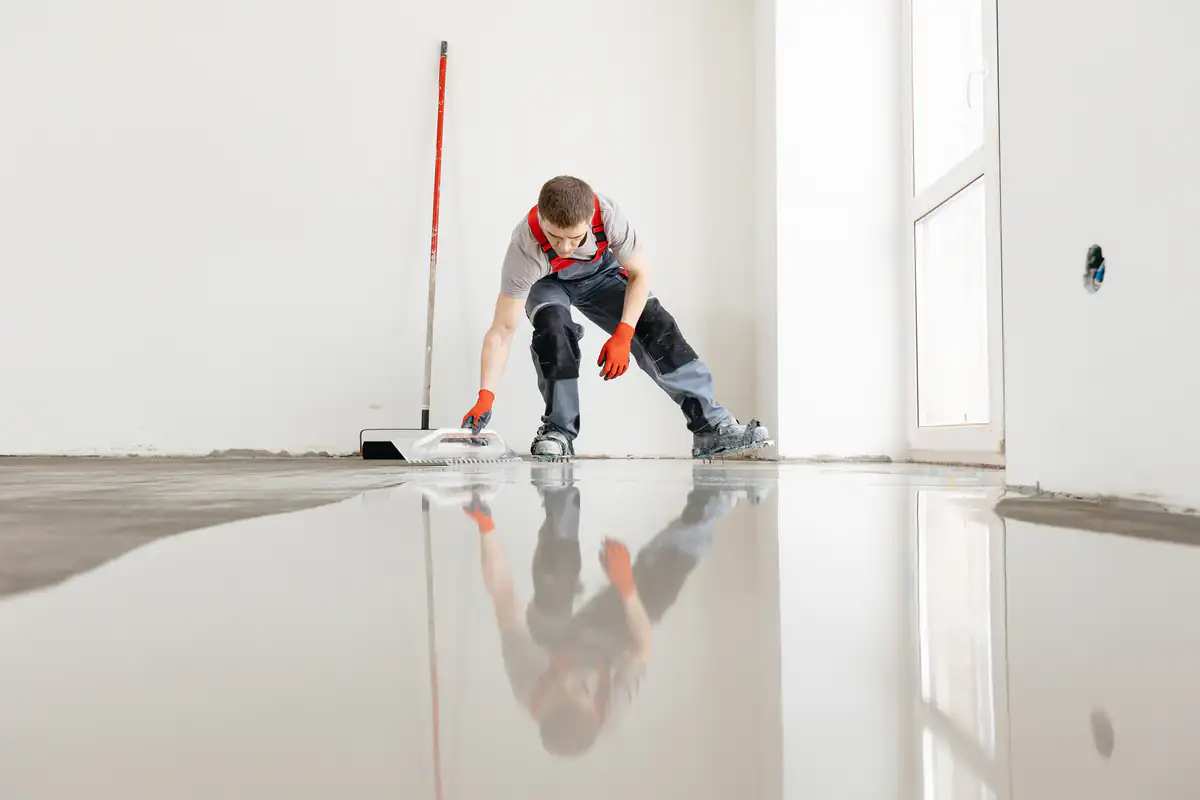
Before you hire anyone to coat your floor, ask them this: do you grind or do you acid etch?
If they say acid etching, that tells you everything you need to know. Acid etching opens the surface of concrete slightly — enough to feel rough to the touch, but not enough to create the mechanical bond that a real epoxy system requires. The International Concrete Repair Institute sets a standardized scale for concrete surface profiles, and proper epoxy adhesion requires a CSP 3 to 5. Acid etching gets you to CSP 1 or 2 at best. Diamond grinding is the only method that reliably hits the mark.
Here’s why that matters so much: roughly 80% of epoxy floor failures trace back to inadequate surface preparation. Not bad epoxy. Not bad weather. Bad prep. When a floor peels six months after installation, it’s almost always because the concrete wasn’t properly opened up to accept the coating in the first place. The epoxy didn’t fail — it never truly bonded.
Diamond grinding takes real equipment and real labor. For a standard two-car garage, figure six to eight hours of grinding work per installer before a single drop of epoxy goes down. That labor cost is a significant part of what separates a $5 quote from a $15 quote. The contractor offering $5 per square foot isn’t working faster or smarter — they’re skipping steps.
We’ve seen this play out repeatedly across Hartford County. Homeowners in West Hartford, Glastonbury, and Simsbury who tried a Lowe’s kit or hired the lowest bidder end up calling us to grind off the failed coating and start over. That remediation work — removing what went wrong — costs more than a professional installation would have cost originally. Cheap floors aren’t cheap. They’re expensive twice.
Surface prep is only half the story. The other half is what’s happening beneath the surface — specifically, moisture vapor moving up through your concrete slab.
Hartford County sits on clay-rich soil that expands and contracts as moisture levels change through the seasons. That movement puts stress on concrete slabs in ways that contractors from out of state — or national franchise operations — often don’t account for. When moisture vapor migrates upward through a slab and hits a coating that wasn’t designed to handle it, you get delamination. The floor doesn’t peel from the top down; it lifts from the bottom up.
Proper installation starts with moisture testing before anything else gets applied. We test every slab before we coat it. If vapor transmission is a concern — and in Connecticut basements and garages, it frequently is — a moisture vapor barrier goes down first. That’s not an upsell. It’s a baseline requirement for a floor that holds.
Budget contractors skip this step because it adds cost and time. Some charge extra for it. We include it as standard because we’ve seen what happens to floors in Enfield, Bristol, and Farmington when it gets skipped. Connecticut’s spring thaw and fall rain seasons are particularly hard on floors that weren’t properly sealed at the slab level. You might not see the problem until the following spring, but it was baked in from day one.
The polyaspartic topcoat we apply over the base system adds another layer of protection — UV-stable, fast-curing, and formulated to handle freeze-thaw cycling without becoming brittle. Traditional epoxy topcoats yellow under sunlight and can crack under repeated thermal stress. Polyaspartic doesn’t. Most installations are ready for foot traffic within 24 hours, and vehicle traffic within a day or two after that.
Want live answers?
Connect with a American Poly Floor expert for fast, friendly support.
A professional epoxy installation isn’t a one-day paint job. Done right, it’s a sequenced process where each step depends on the one before it — and skipping any of them creates a weak point that eventually fails.
The full sequence runs from moisture testing and diamond grinding through crack repair, vapor barrier application, base coat, color broadcast, and polyaspartic topcoat. Most residential projects in Hartford County take two to three days from start to finish. That timeline is determined by chemistry and cure times, not by how fast the crew moves.
What you’re paying for at the higher end of the price range isn’t a fancier floor — it’s a complete system installed correctly, with the right materials, on a properly prepared surface. That’s what determines whether your floor looks the same in year ten as it did in year one.
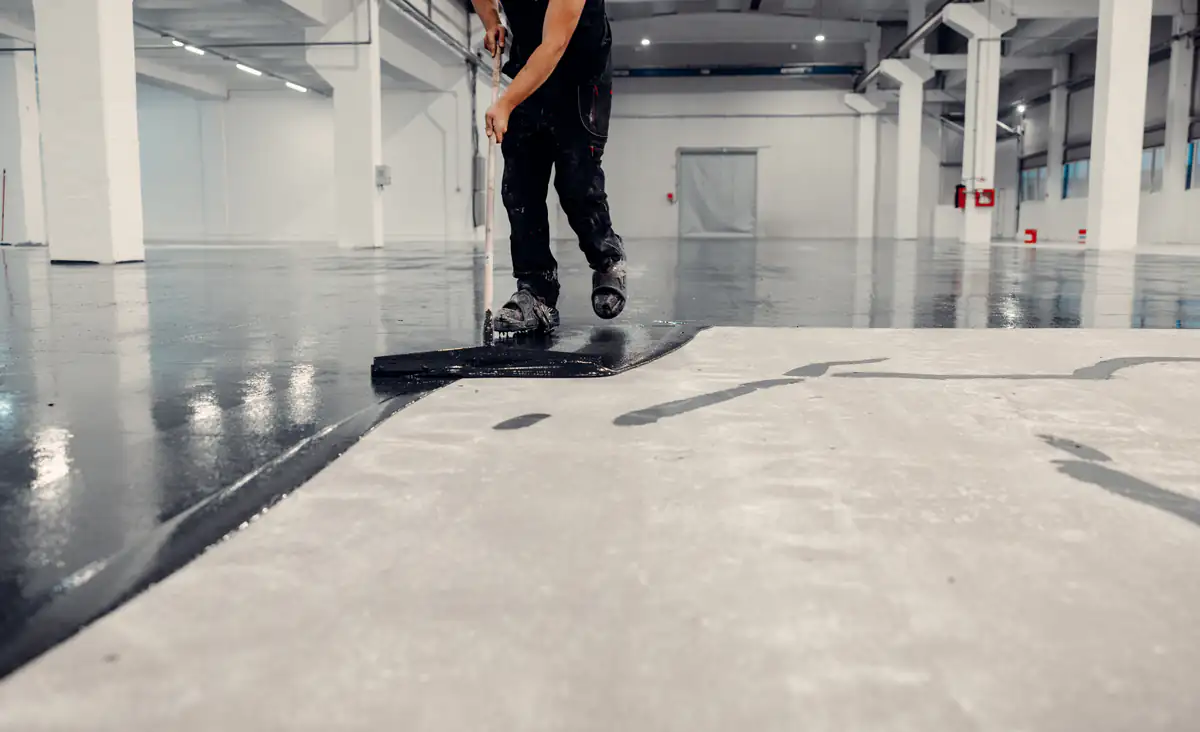
Most people compare epoxy quotes the same way they compare anything — by looking at the bottom line. That works fine when the products are identical. Epoxy systems are not identical, and the quotes you’re comparing often reflect completely different scopes of work.
A few questions cut through the noise quickly. Ask each contractor what their surface profile target is and how they achieve it. Ask whether moisture testing is included or extra. Ask what percentage solids their base coat is. Ask what the topcoat is — epoxy, polyurethane, or polyaspartic — and whether it’s UV-stable. Ask for the warranty in writing, and ask whether it’s backed by insurance or just by the contractor’s word.
That last question matters more than most people realize. A verbal warranty from a small contractor is only as good as the contractor’s continued existence. An insurance-backed warranty survives ownership changes, business closures, and anything else life throws at it. We offer a 15-year peace of mind warranty on our installations — backed by insurance, not just a handshake. That’s substantially longer than the industry standard of one to five years, and it reflects a level of confidence in the work that a $5 per square foot quote simply can’t support.
Worth noting: we’ve done floors for Costco, Amazon, and Foxwoods Resort Casino. Those aren’t clients who accept a floor that might need replacing in three years. The same system we install in a high-traffic commercial facility is what goes into your garage or basement — not a residential-grade version of it.
A few questions come up on almost every consultation, and they’re worth answering directly.
The most common one: will this hold up through a Connecticut winter? Yes — if it’s installed correctly. The failure mode people associate with cold climates isn’t an epoxy problem; it’s a prep and material problem. A 100% solids base coat with a polyaspartic topcoat, applied over a properly ground and sealed slab, handles Hartford County’s freeze-thaw cycles without issue. What doesn’t hold up is a thin water-based coating on an acid-etched slab with no moisture barrier. That’s a floor waiting to fail, and Connecticut winters just accelerate the timeline.
The second question we hear constantly: is there anything I can do to maintain it? Honestly, not much — which is the point. A properly installed system doesn’t need stripping, resealing, or periodic recoating. You sweep it, mop it occasionally, and go about your life. The zero-maintenance aspect isn’t a selling point we invented; it’s just what happens when the floor is done right from the start.
We’re also asked regularly about timing. Connecticut’s installation window for unheated spaces runs roughly April through October — epoxy requires ambient temperatures above 50°F to cure properly. If you’re in Southington or New Britain and your garage isn’t climate-controlled, spring and fall are your best windows. We plan around the forecast and schedule accordingly. For heated commercial spaces, we work year-round, including emergency response for facilities that can’t afford extended downtime.
One more thing people ask: does being licensed actually matter? In Connecticut, it’s not optional — the state Department of Consumer Protection requires all home improvement contractors to be licensed and to display that license number on their advertising and contracts. We’re fully licensed and insured. If a contractor you’re considering can’t provide a verifiable CT license number, that’s a real red flag, not a technicality.
The price gap between a $5 and a $15 per square foot epoxy floor isn’t random. It comes down to preparation, materials, and whether the contractor is building a floor designed to last or one designed to look good long enough to cash the check.
Hartford County’s clay soils, hard winters, and moisture conditions don’t forgive shortcuts. A floor installed without proper grinding, moisture testing, and a quality vapor barrier will eventually tell on itself — usually within the first year or two, and usually at the worst possible time.
If you’re ready to stop guessing and start with a floor that actually holds up, reach out to us at American Poly Floor. We’re based in East Hartford, we know this market, and we’re happy to walk you through exactly what your project needs before you commit to anything.
Summary:
Share: