Your concrete stops being a source of frustration. No more oil stains that won’t come out, no more embarrassment when neighbors see your garage, no more worrying about cracks getting worse.
Instead, you get a floor that cleans with a garden hose. Spills wipe up easily. The surface stays bright and professional-looking for years, not months. Your garage becomes a space that actually adds value to your home instead of detracting from it.
You’ll find yourself using the garage differently—maybe as a workspace, maybe just as a place you don’t mind walking through. The transformation isn’t just about the floor. It’s about reclaiming a space that was working against you.
We’ve been transforming Connecticut garages since 2020, backed by over 30 years of combined experience in flooring and construction. What sets us apart isn’t just our technical expertise—it’s our understanding of what Meriden homeowners actually need.
Connecticut’s freeze-thaw cycles are brutal on concrete. We see the same problems in every neighborhood: cracked floors from winter weather, oil stains from cars, water damage from poor drainage. We don’t just cover these problems—we solve them.
Our process accounts for Connecticut’s climate challenges. We use moisture evaluation and proper surface preparation because we know what happens when you skip steps. Every project gets the attention it deserves, whether it’s a single-car garage in downtown Meriden or a three-bay setup in the suburbs.
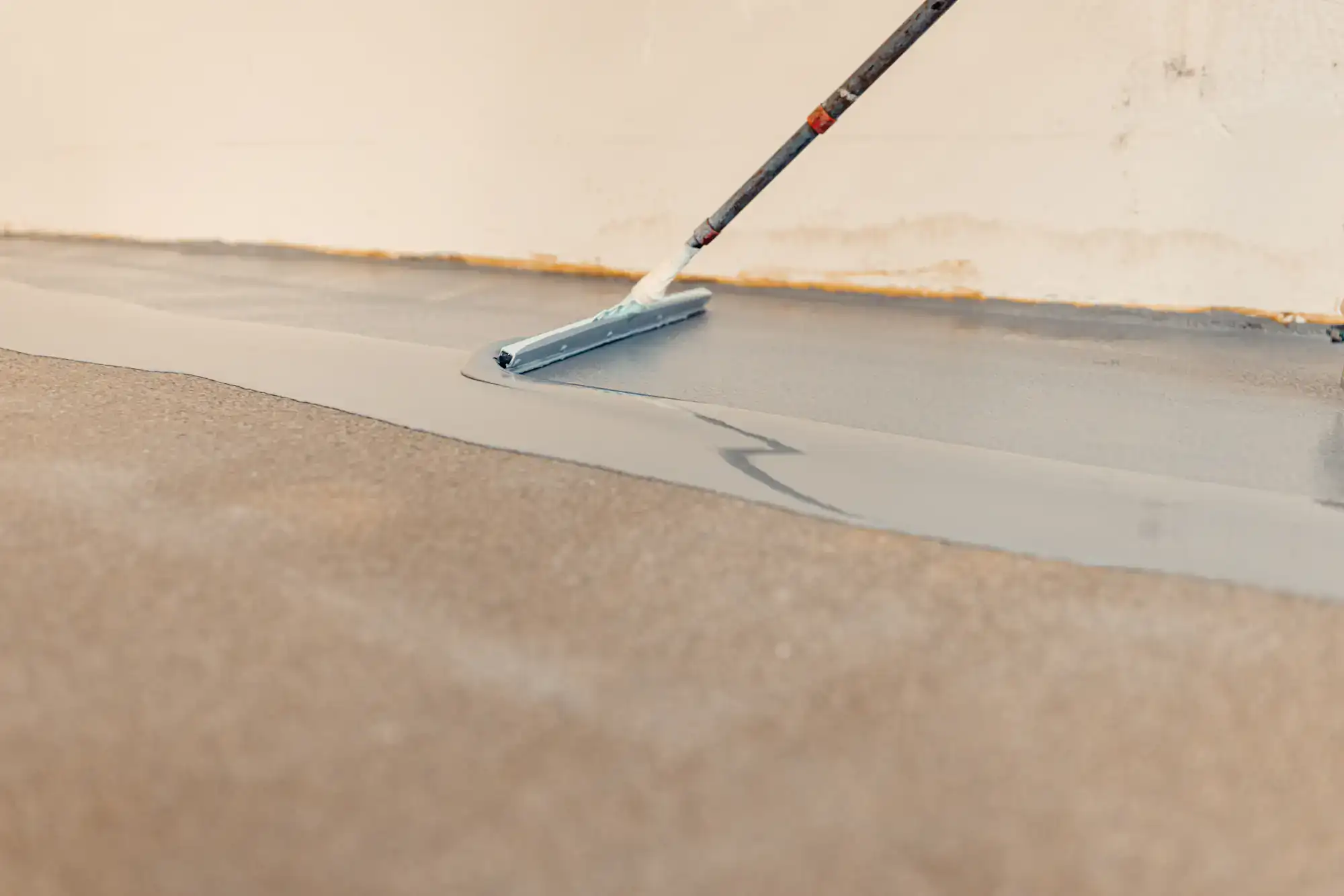
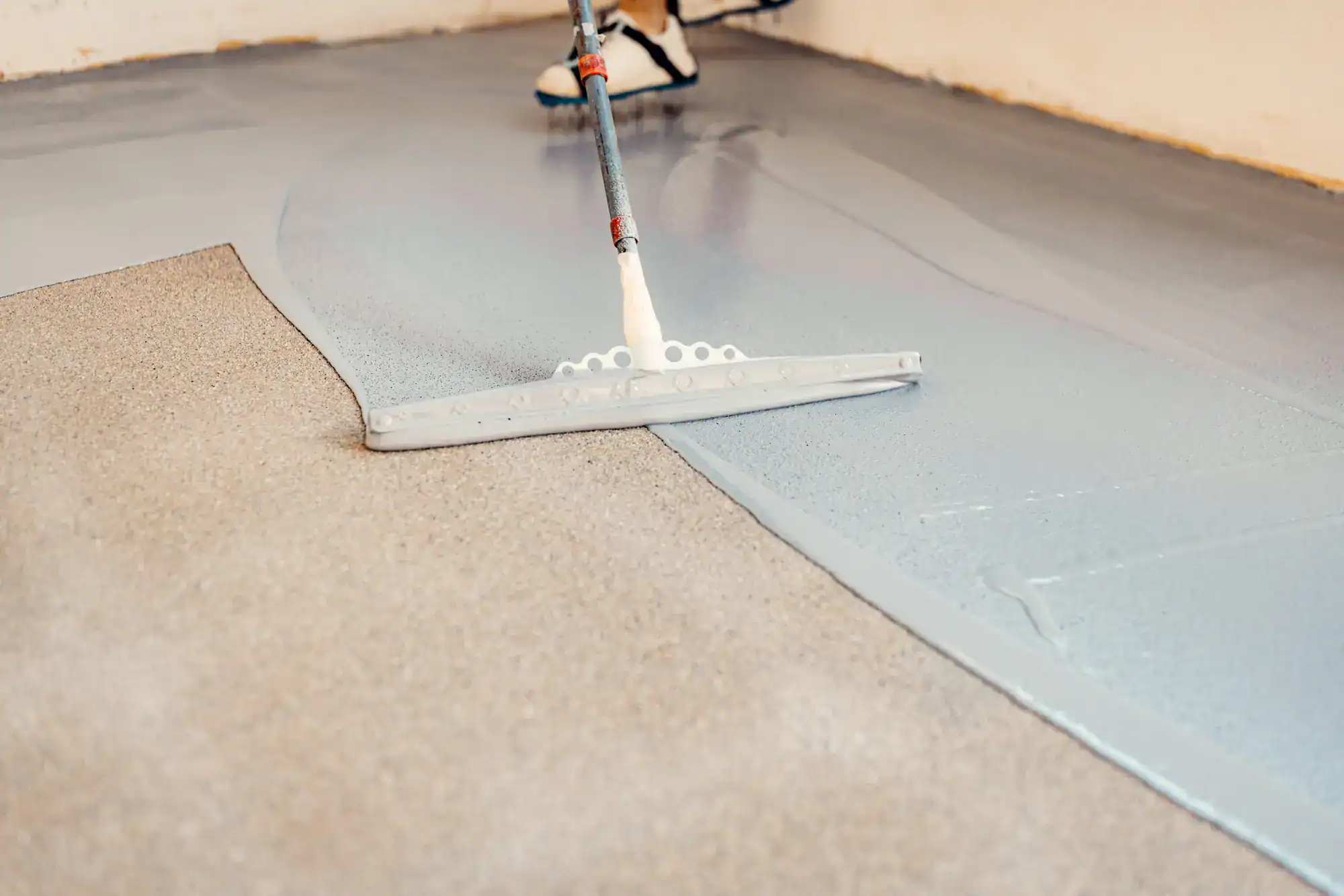
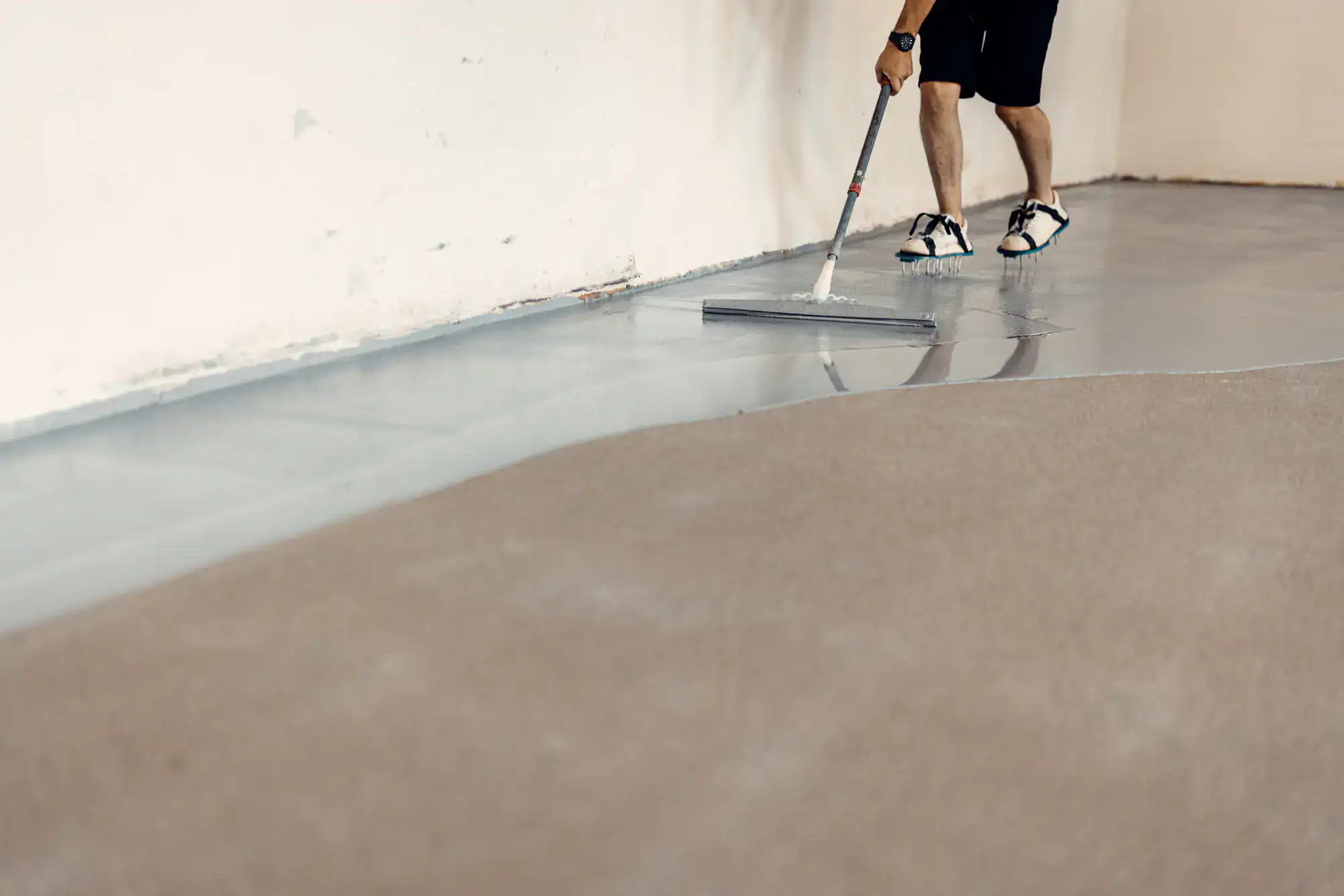
First, we evaluate your concrete for moisture issues and structural problems. Most contractors skip this step. We don’t, because we’ve seen what happens when you apply coatings over problem areas.
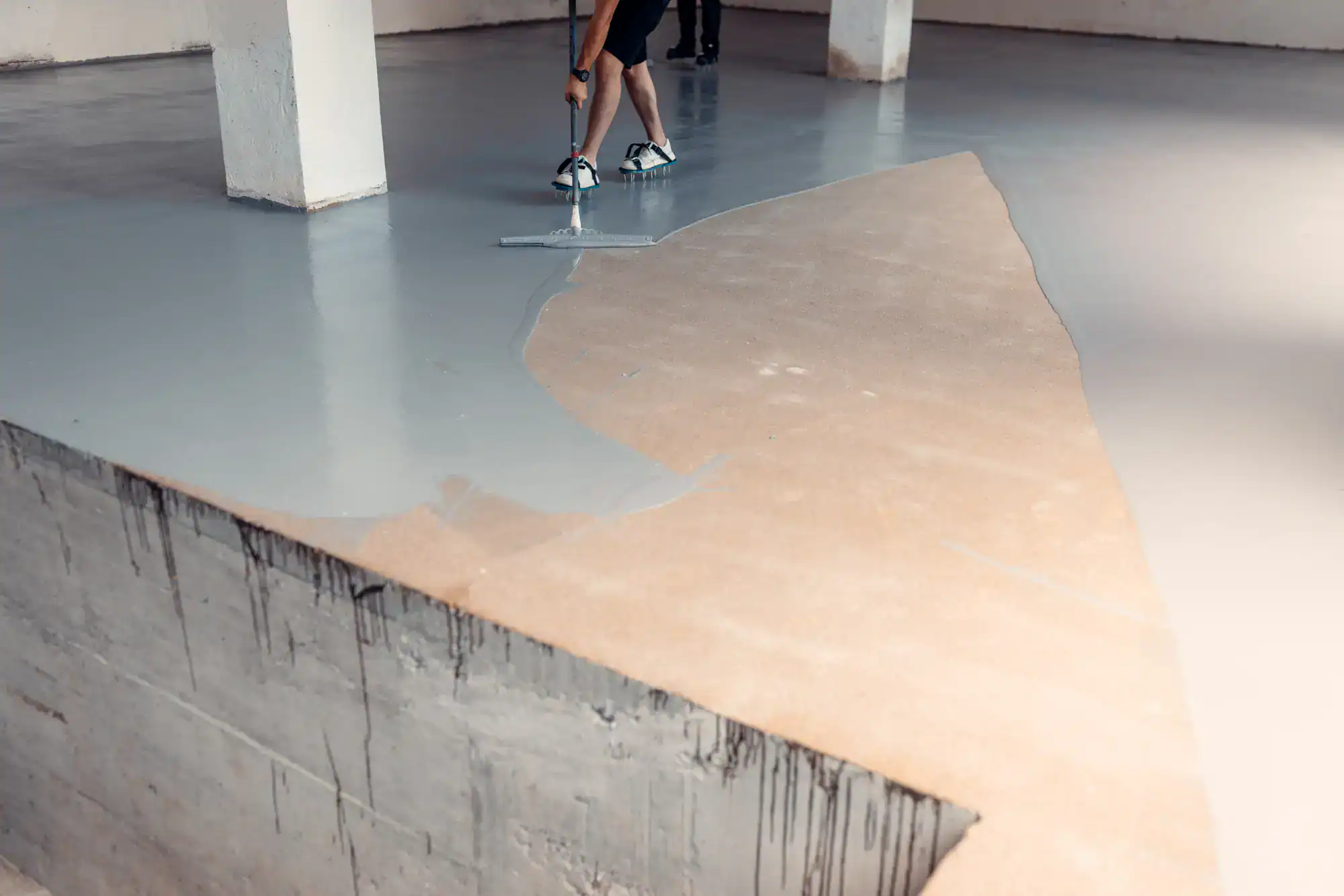
Next comes surface preparation using professional grinding equipment. This isn’t about making the floor look clean—it’s about creating the right surface profile for maximum adhesion. We repair any cracks or spalls before moving forward.
Then we apply primer and build coats selected specifically for your garage’s traffic patterns and temperature fluctuations. If you want decorative chips or custom colors, we handle that during this phase. The final step is a protective topcoat that provides the durability and stain resistance you’re paying for.
Most installations are completed in tightly scheduled phases to minimize disruption to your routine. We communicate exact return-to-service windows upfront, so you know when you can park in your garage again.
Ready to get started?
Every epoxy finish garage floor installation includes moisture testing, crack repair, and professional surface preparation. We don’t charge extra for these steps because they’re essential for a coating that actually lasts.
You get primer application designed for Connecticut’s climate conditions, build coats selected for your specific traffic patterns, and a protective topcoat that handles everything from hot tires to chemical spills. Color matching and decorative options are included in your quoted price.
Meriden’s older homes often have concrete issues that need addressing before any coating work begins. We handle joint repair, spall filling, and surface leveling as part of the process. Your installation includes cleanup and a clear timeline for when you can resume normal garage use.
The result is a floor system that’s specifically engineered for Connecticut conditions—not a generic coating that might work in Arizona but fails during our winters.
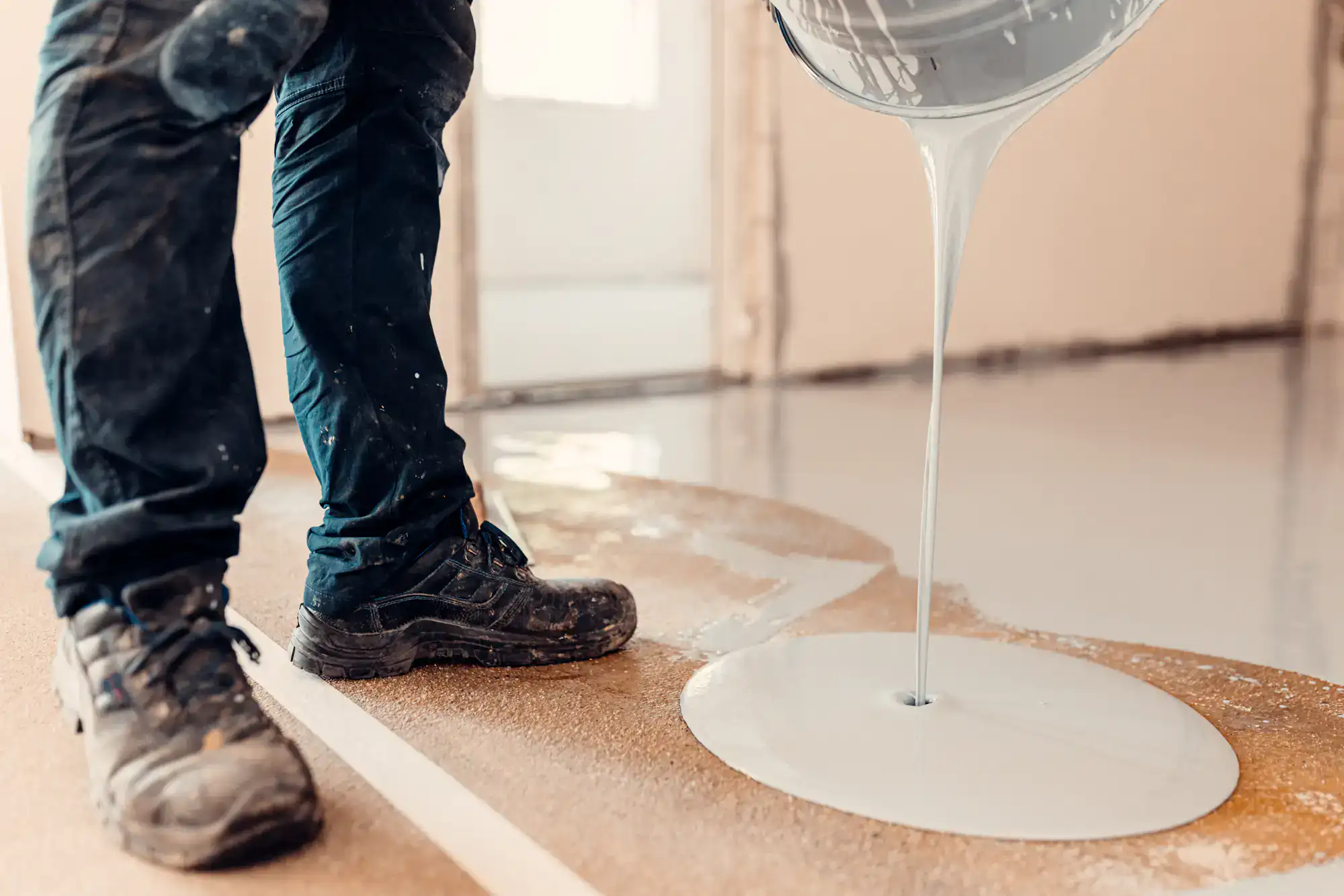
Most residential garage floor installations are completed in 2-3 days, depending on the size of your garage and any concrete repairs needed. Day one involves surface preparation, crack repair, and primer application. Day two is when we apply the base coat and any decorative elements you’ve chosen.
The coating needs time to cure properly—you can walk on it after 24 hours, but we recommend waiting 72 hours before parking vehicles. Connecticut’s humidity and temperature can affect curing times, so we adjust our schedule accordingly. We’ll give you exact timelines during your consultation, including when you can expect to have full use of your garage again.
Yes, but the cracks need to be properly repaired first. Simply coating over cracks is a recipe for failure—the coating will eventually crack in the same spots. We start every project with a thorough evaluation of your concrete’s condition.
Small cracks get filled with appropriate repair compounds that bond with both the existing concrete and the new coating. Larger structural issues might require more extensive repair work, which we’ll identify during our initial assessment. The goal is to create a stable foundation for the coating system.
Connecticut’s freeze-thaw cycles are particularly hard on concrete, so we see a lot of crack-related issues in Meriden garages. The good news is that most of these problems are completely fixable with the right approach and materials.
Maintenance is surprisingly simple—that’s one of the main benefits of a properly installed epoxy system. Regular sweeping or blowing out debris keeps the surface clean. For deeper cleaning, a garden hose or mop with mild detergent handles most situations.
Oil spills and other automotive fluids wipe up easily if you get to them reasonably quickly. Unlike bare concrete, the coating doesn’t absorb stains, so even if something sits for a while, it usually comes up with standard cleaning methods.
Avoid using harsh chemicals or abrasive cleaners, which can dull the finish over time. The coating is designed to handle normal garage activities—parking cars, foot traffic, dropped tools—without special care or maintenance routines.
Both are excellent choices, but they have different characteristics that might make one better for your specific situation. Traditional epoxy offers proven durability and comes in a wide range of colors and finishes. It typically costs less upfront and provides excellent chemical resistance.
Polyaspartic coatings cure faster—often in under an hour compared to 24-72 hours for epoxy. They’re also more flexible, which can be beneficial in Connecticut where temperature swings cause concrete to expand and contract. Polyaspartic tends to be more UV-stable, so it won’t yellow over time.
The choice often comes down to your timeline and budget. If you need your garage back quickly, polyaspartic might be worth the extra cost. If you’re not in a rush and want to maximize value, epoxy is hard to beat. We’ll help you understand which option makes sense for your specific situation.
Yes, but with important limitations. Temperature and humidity affect how coatings cure, so we need to work within specific parameters. Most epoxy systems require temperatures above 50°F during application and curing, which can be challenging during Connecticut winters.
We have heated garage solutions for emergency situations, but generally recommend scheduling installations during milder weather for best results. Spring and fall are ideal—temperatures are moderate, humidity is manageable, and you’re not dealing with extreme conditions that can affect the coating’s performance.
If you need winter installation, we’ll evaluate your specific garage conditions and discuss options. Sometimes waiting a few weeks for better weather conditions results in a much better long-term outcome.
Pricing depends on several factors: garage size, concrete condition, coating system selected, and any decorative options you choose. Most residential garage projects in Meriden range from moderate to higher investment levels, but the cost per square foot decreases with larger areas.
Concrete repairs, if needed, add to the base cost but are essential for a coating that actually lasts. Decorative flakes, metallic finishes, or custom colors also affect pricing. We provide detailed written estimates that break down exactly what’s included, so you understand what you’re paying for.
The investment makes sense when you consider the alternative—replacing damaged concrete costs significantly more than protecting it with a quality coating system. Most homeowners find that a professional installation pays for itself through reduced maintenance and increased property value.
Local Resources
Other Services we provide in Meriden