
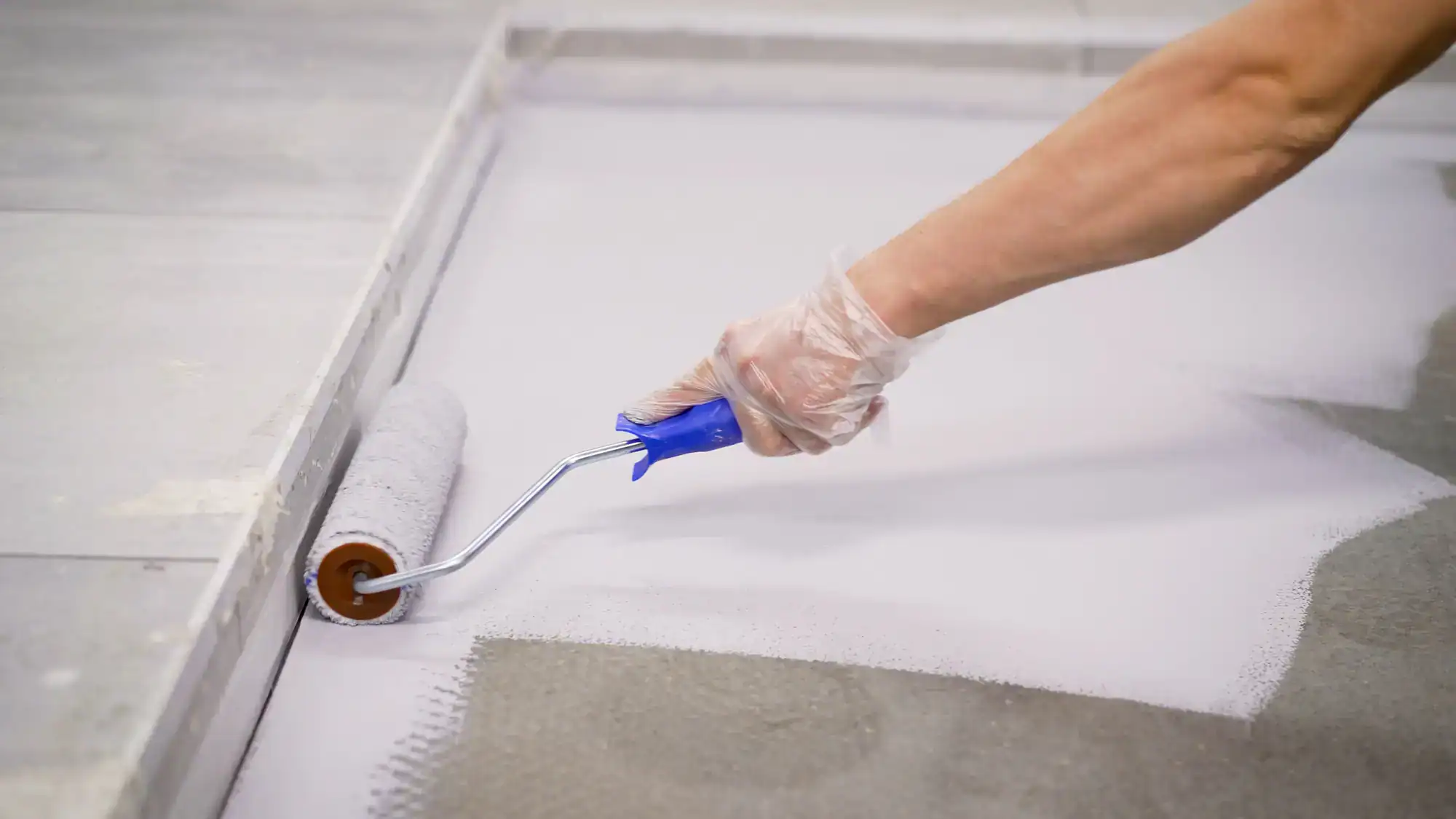
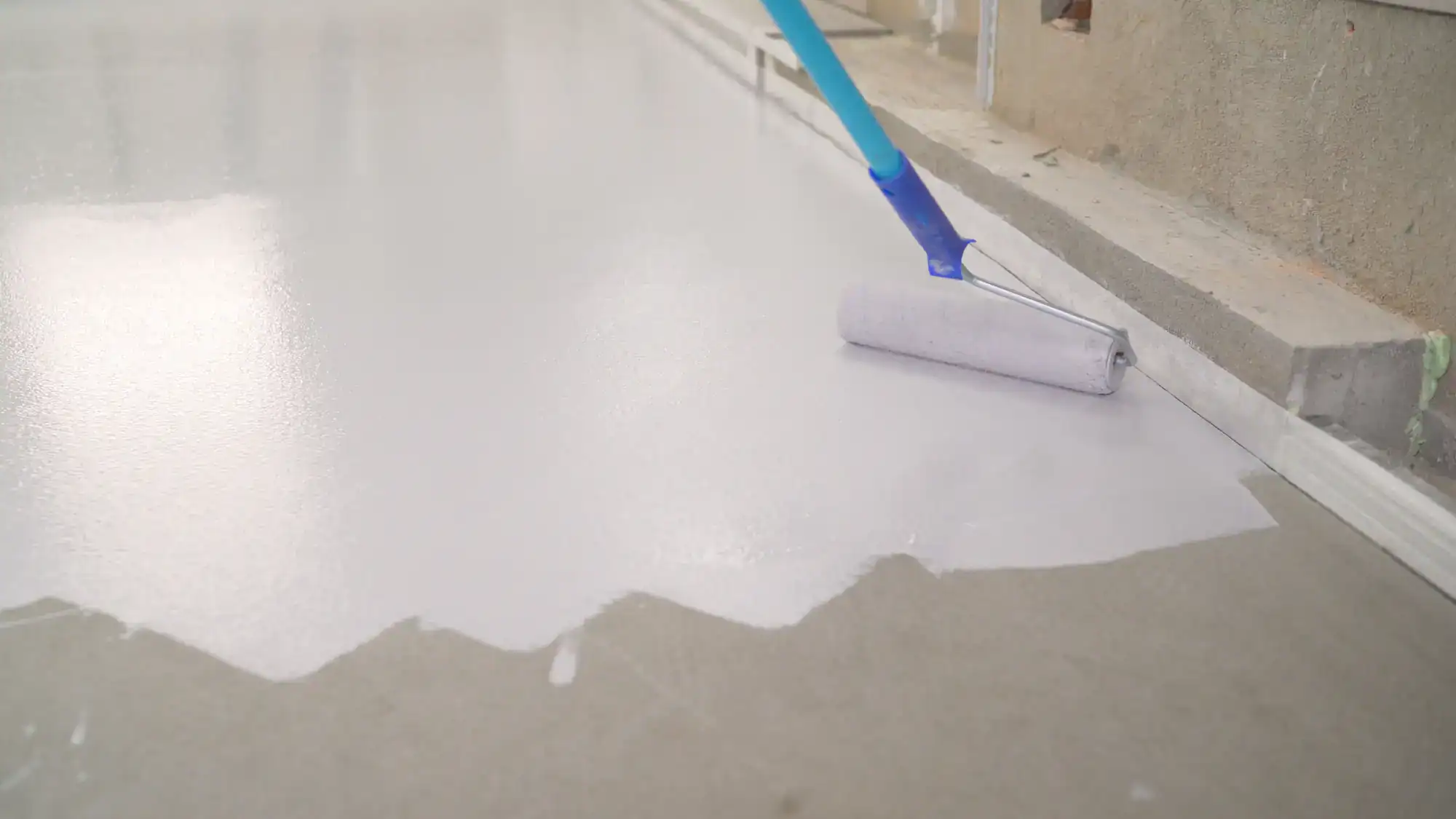
Your garage becomes the space you actually want to use. No more scrubbing oil stains that won’t budge or dealing with concrete dust on everything you store.
The right coating turns your floor into a surface that wipes clean with a damp cloth. Spills that used to become permanent stains now lift right off. Your tools stay cleaner, your workspace looks professional, and you stop tracking concrete dust into the house.
Connecticut’s weather extremes—from humid summers to freezing winters—demand coatings that won’t crack, peel, or fail when temperatures swing. That’s exactly what proper garage floor painting delivers.
We understand Connecticut concrete. We’ve seen what happens when moisture gets trapped under the wrong coating during a New England winter, and we know which products handle the humidity that rolls in during summer.
We’re not the cheapest option in Thompsonville, and that’s intentional. You’re investing in fewer headaches, better durability, and protection that actually works when you need it most.
Our team has worked with everything from 1940s garage floors in established neighborhoods to newer construction throughout the Hartford area. Each project gets the preparation and materials it needs to perform long-term.
First, we test for moisture—the number one reason garage floor coatings fail. Connecticut’s climate makes this step critical, and we won’t skip it to save time.
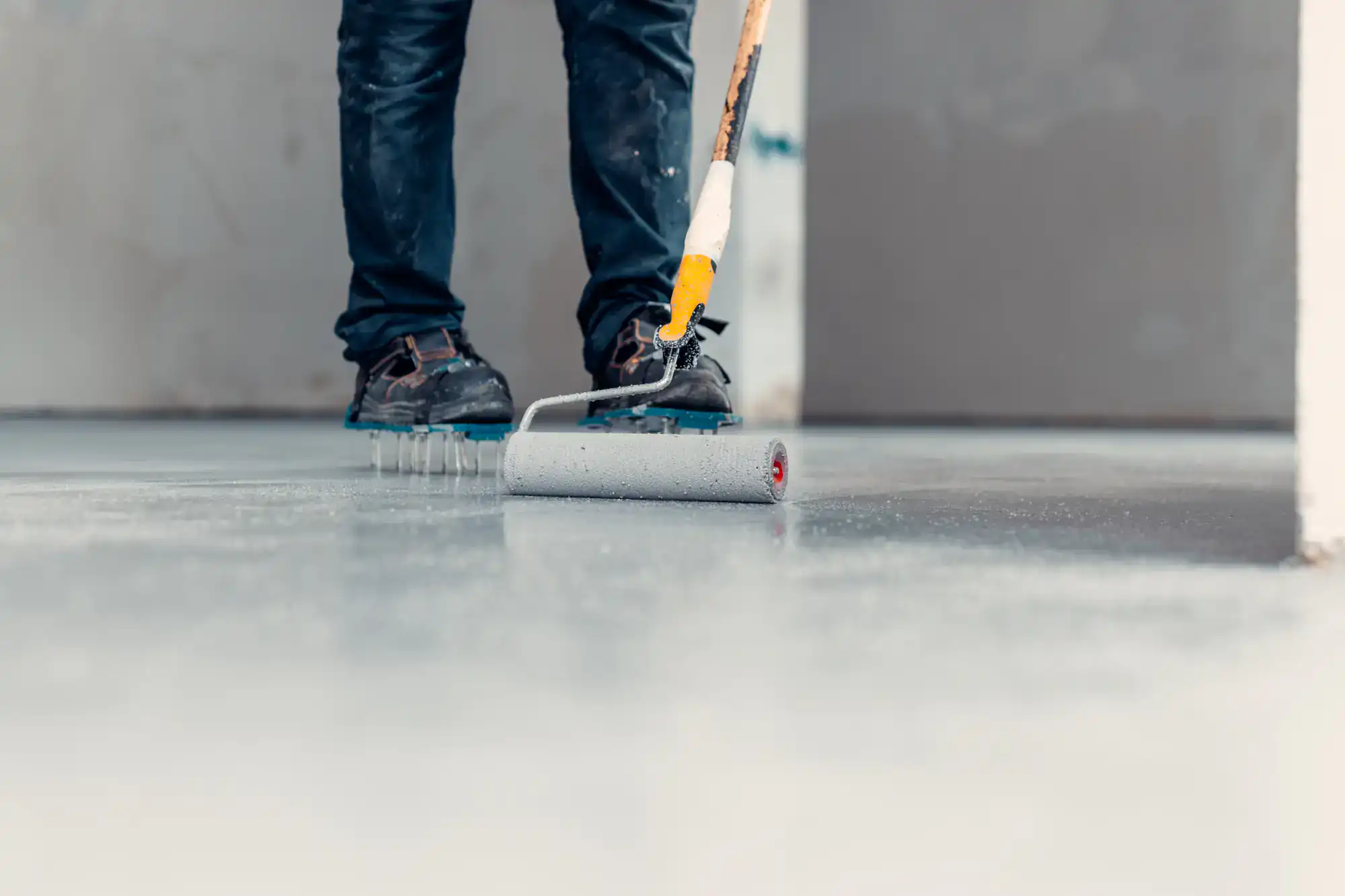
Surface preparation comes next. We remove existing coatings, repair cracks, and create the profile your new coating needs to bond properly. This isn’t a quick skim—it’s the foundation of everything that follows.
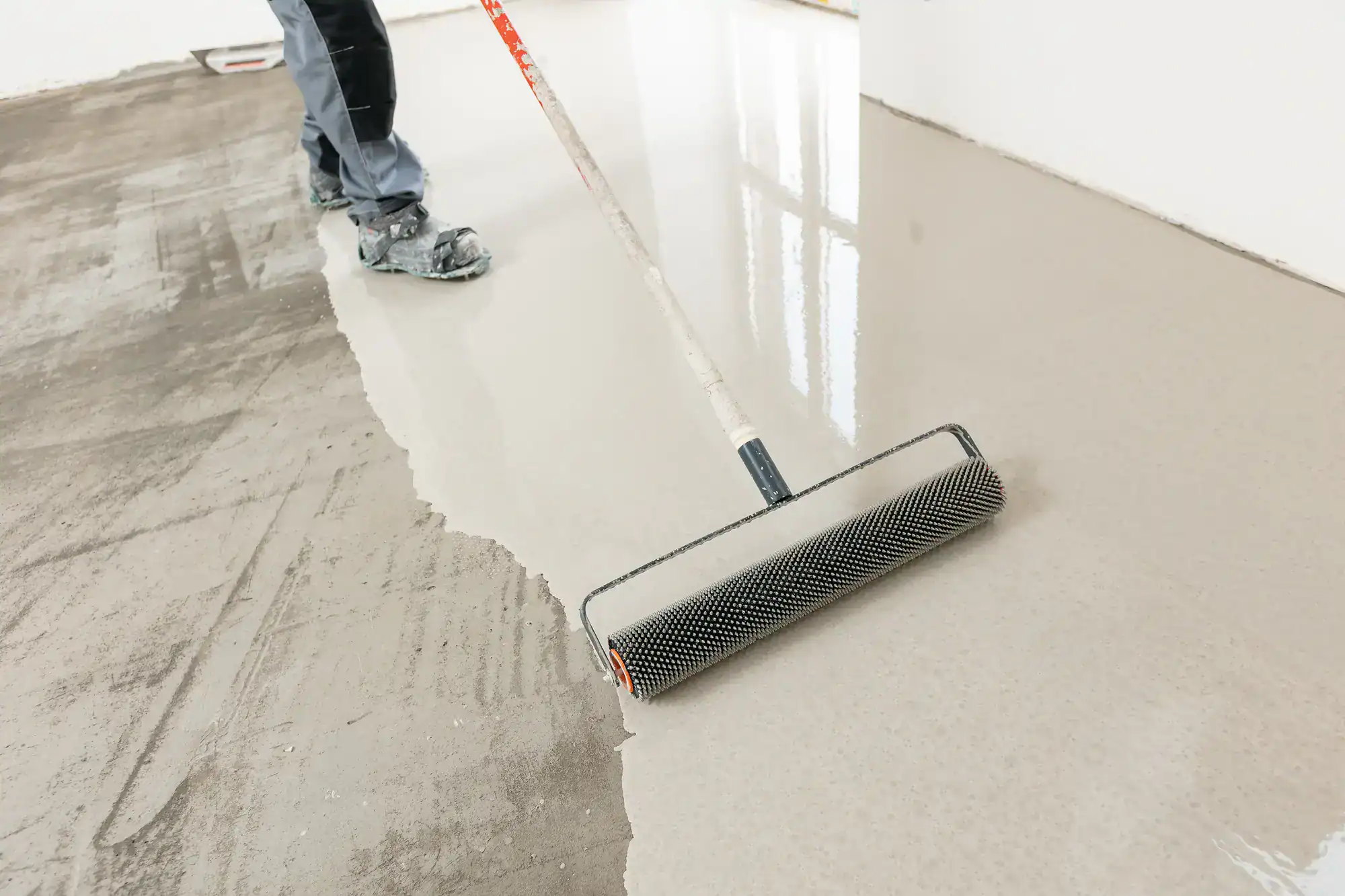
Application happens in controlled conditions. We monitor temperature and humidity to ensure proper curing. The coating goes down in multiple layers, each designed to build durability and chemical resistance. You get a floor that handles hot tires, road salt, and whatever else your garage sees.
Ready to get started?
Your garage floor coating project includes complete moisture testing, crack repair, and surface preparation using industrial equipment. We apply primer, base coat, and protective topcoat systems designed for Connecticut’s climate demands.
Thompsonville homeowners get coatings that resist the road salt tracked in during winter months and handle the thermal expansion that comes with seasonal temperature swings. Your coating system includes chemical resistance for automotive fluids, cleaning products, and de-icing materials.
We provide realistic cure times—no rushing you back into the space before the coating is ready. Connecticut’s humidity affects curing, and we account for local conditions in our timeline. You get written warranty coverage and maintenance guidance specific to your installation.
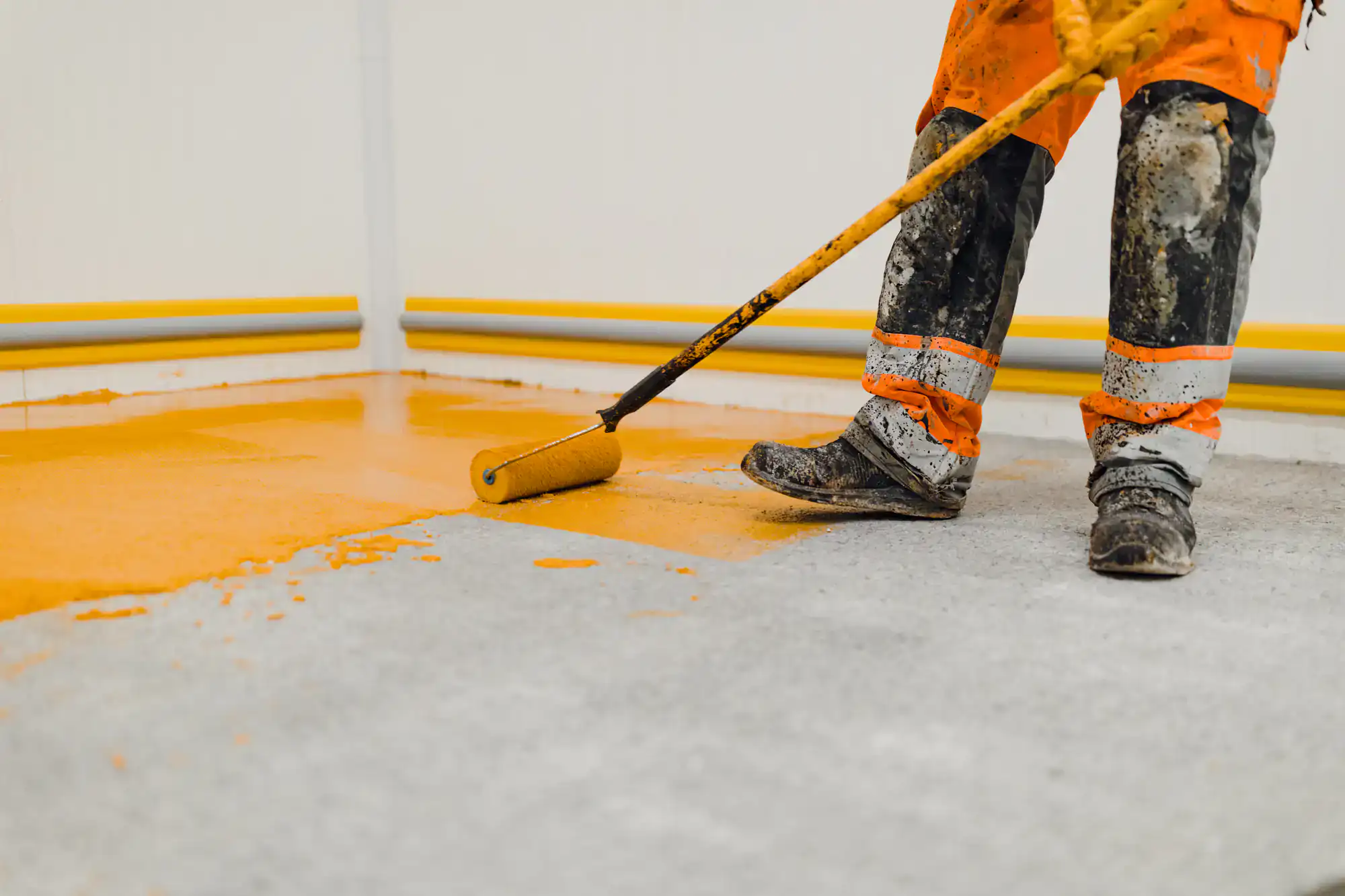
Professional garage floor coatings typically last 5-10 years in Connecticut, depending on the coating type and usage patterns. Epoxy systems handle our temperature swings well, while polyaspartic coatings offer even better durability against thermal cycling.
The key factor is proper preparation and moisture management. Connecticut’s humidity and freeze-thaw cycles will destroy poorly applied coatings within 1-2 years. Professional installation with proper surface prep and moisture testing ensures your investment performs as expected.
Quality matters more than initial cost. A properly installed system resists road salt, handles hot tire pickup, and maintains its appearance through multiple seasons of New England weather.
DIY kits typically fail within 1-2 years because they can’t address moisture issues or provide adequate surface preparation. Most homeowners lack the equipment needed for proper concrete profiling and moisture testing.
Professional installation includes industrial-grade surface preparation, moisture barrier systems, and coatings designed for long-term performance. We use diamond grinding equipment to create proper surface profile and apply multi-layer systems that DIY products can’t match.
The preparation phase determines everything. Without proper degreasing, crack repair, and surface profiling, even the best coating will fail. Professional application costs more upfront but eliminates the cycle of recoating every few years.
Existing coatings must be completely removed for new coating to perform properly. Old paint, sealers, or failed epoxy create a weak bond that will cause premature failure of the new system.
We use mechanical removal methods including diamond grinding to get down to clean concrete. Oil stains require special degreasing treatments—simply coating over them guarantees adhesion problems. Each floor gets evaluated individually to determine the prep work needed.
Surface contamination is the enemy of coating adhesion. Even microscopic oil residue or previous coating remnants will prevent proper bonding. Professional preparation eliminates these issues, ensuring your new coating bonds directly to clean concrete substrate.
Moisture testing is mandatory before any coating application. Connecticut’s climate and soil conditions create moisture vapor transmission that destroys coatings from underneath. We use calcium chloride testing to measure exact moisture levels.
If moisture levels exceed coating specifications, we apply moisture barrier systems or recommend concrete sealing before coating installation. Skipping this step leads to coating failure within months, especially during humid summer periods.
Proper vapor barriers and moisture-tolerant primers solve most issues. Some floors require extended drying time or mechanical ventilation before coating. We won’t proceed until moisture levels are within acceptable ranges for long-term performance.
Coated garage floors require minimal maintenance—regular sweeping and occasional mopping with mild detergent. Avoid harsh chemicals or abrasive cleaners that can damage the coating surface.
Address spills promptly, though most automotive fluids won’t stain properly applied coatings. Road salt should be rinsed off periodically during winter months to prevent buildup. Annual inspection helps identify any areas needing attention before problems develop.
Proper maintenance extends coating life significantly. Simple cleaning and prompt spill cleanup keep your floor looking new for years. We provide specific maintenance guidelines based on your coating type and usage patterns.
Foot traffic is typically safe after 24-48 hours, depending on coating type and Connecticut’s current humidity levels. Vehicle traffic requires 3-7 days for complete cure, though this varies with temperature and moisture conditions.
Rushing the process damages the coating permanently. Connecticut’s humidity slows curing, especially during summer months. We provide specific timelines based on actual conditions during your installation, not generic recommendations.
Hot tires on uncured coating cause permanent damage. We’ll give you exact timeframes based on the coating system used and current weather conditions. Patience during the curing process ensures maximum durability and performance.
Other Services we provide in Thompsonville