Your garage floor takes a beating. Oil spills, chemical drips, heavy equipment, Connecticut’s freeze-thaw cycles – it all adds up to concrete that looks terrible and gets worse every year.
A professional garage floor painting transforms that eyesore into something you’re actually proud to show off. We’re talking about coatings that laugh off motor oil, resist road salt, and handle whatever your busy life throws at them.
The difference isn’t just cosmetic. You’ll cut your cleaning time in half, eliminate dust that tracks through your house, and add real value to your property. No more apologizing for your garage when neighbors stop by.
We’ve been solving Connecticut homeowners’ flooring problems for years. We understand what works in our climate and what doesn’t.
Tariffville residents deal with unique challenges – from winter road salt tracked in on boots to summer humidity that can wreak havoc on inferior coatings. We’ve seen every scenario and know exactly how to prep your concrete for maximum adhesion and longevity.
We’re not the cheapest option in town, and that’s intentional. You’re investing in a coating system that actually lasts, not something that starts peeling after the first winter.
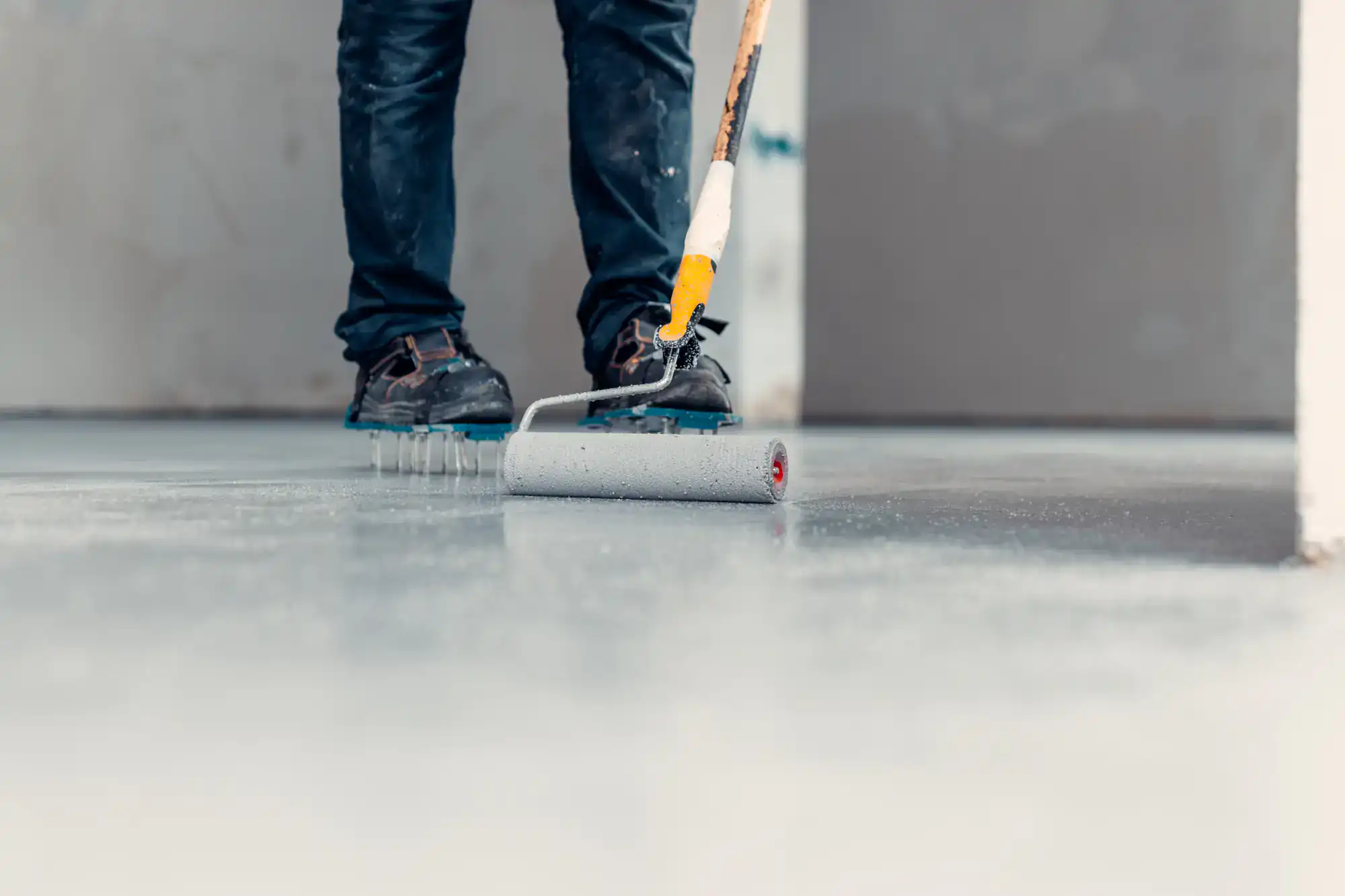
Most garage floor failures happen because someone skipped the prep work. We don’t cut corners.
First, we evaluate your concrete’s condition. Cracks get filled, oil stains get treated, and the surface gets properly etched for maximum adhesion. This isn’t optional – it’s what separates coatings that last from those that fail.
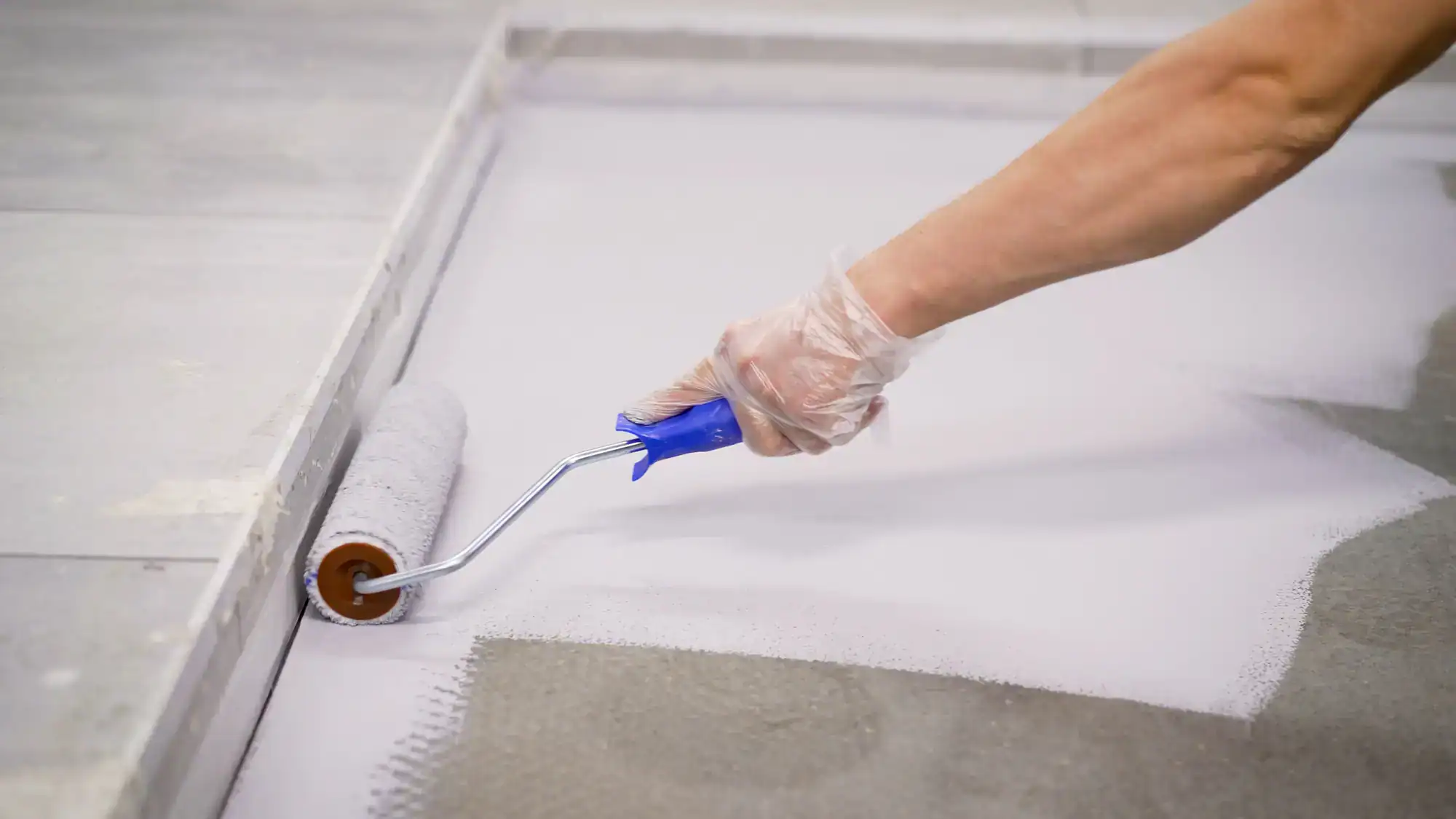
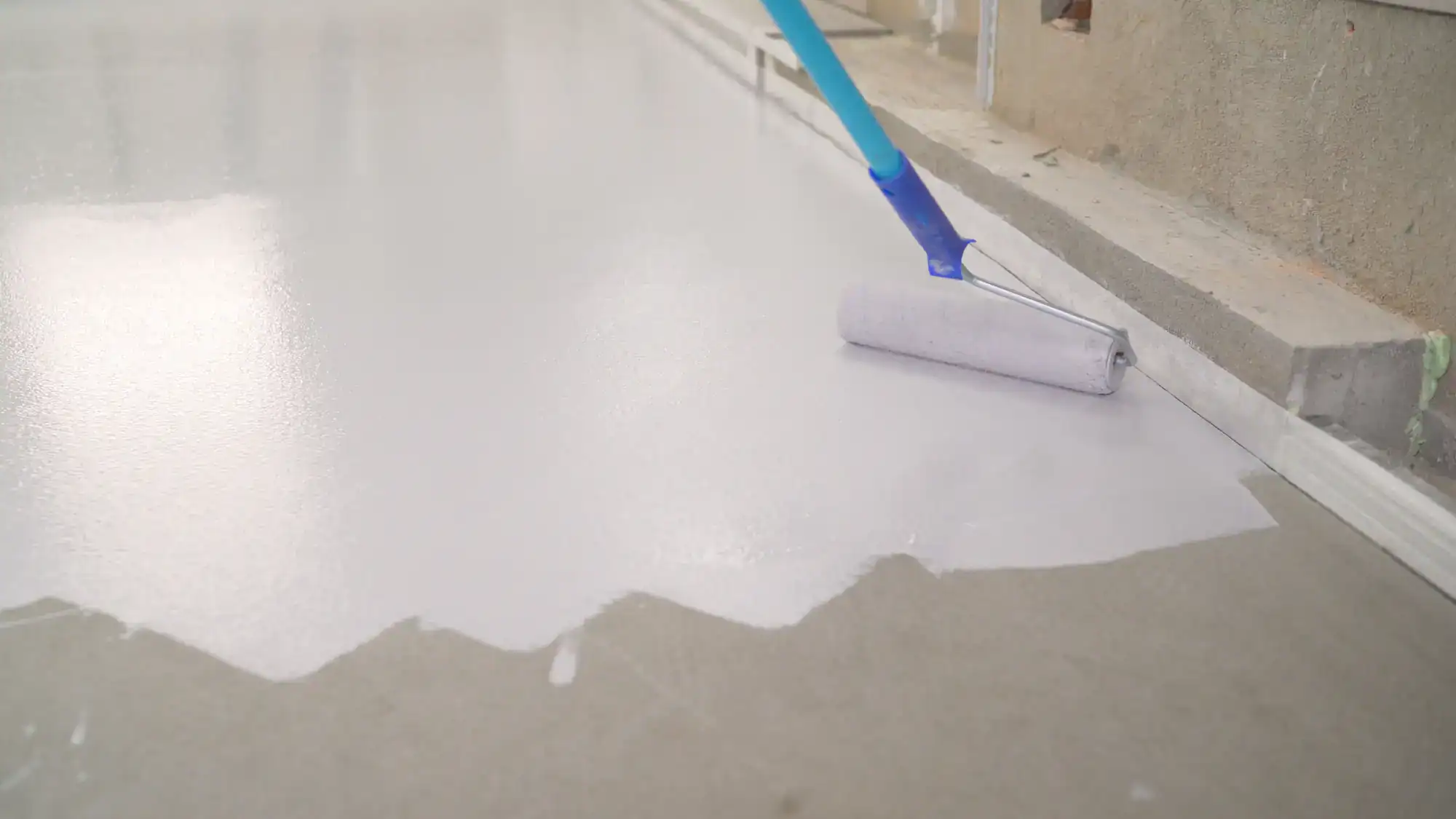
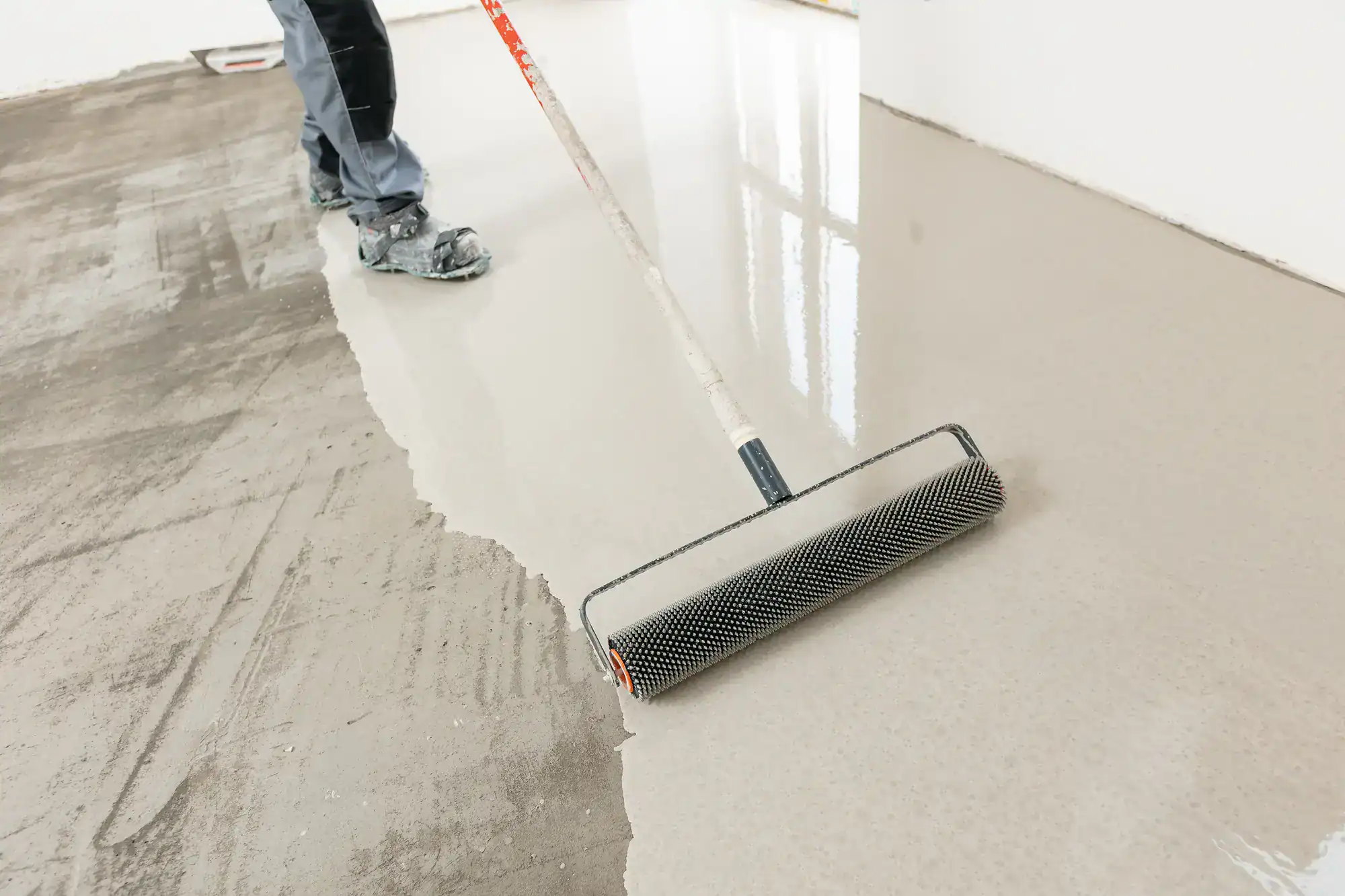
Next comes the actual coating application. We use industrial-grade materials designed for high-traffic areas. Multiple coats, proper cure times, and attention to detail that shows in the final result. The whole process typically takes 1-2 days, depending on your garage size and chosen system.
You’ll be able to park on it within 24-48 hours, but the coating continues to cure and harden for several days after that.
Ready to get started?
Connecticut homeowners need coatings that handle real-world conditions. Our garage floor painting systems resist chemicals, impact damage, and temperature fluctuations that destroy inferior products.
In Tariffville, we see everything from weekend mechanics working on classic cars to busy families using their garages as multi-purpose spaces. Your coating needs to handle motor oil, brake fluid, antifreeze, road salt, and whatever else life throws at it.
We offer multiple coating options depending on your specific needs and budget. Basic acrylic systems work fine for light-duty applications, but most Tariffville homeowners choose our epoxy or polyaspartic systems for maximum durability and chemical resistance. These premium options cost more upfront but save you money long-term by lasting decades instead of years.
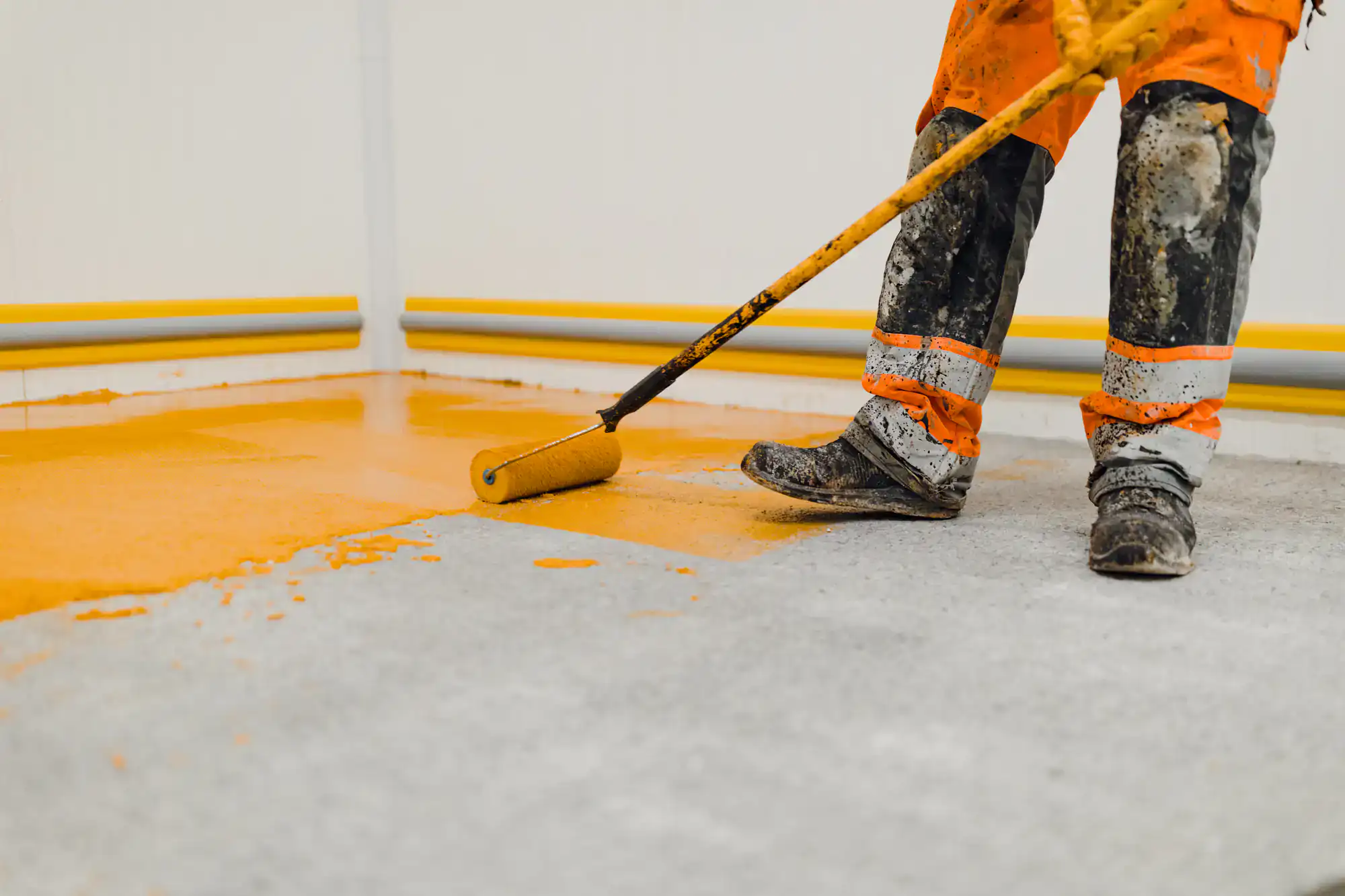
A properly installed garage floor coating should last 10-20 years in Connecticut’s climate, depending on the system you choose and how heavily you use the space.
The key is proper surface preparation and using materials designed for temperature fluctuations. Connecticut’s freeze-thaw cycles are tough on concrete, but a quality coating actually helps protect the underlying slab from moisture penetration that causes cracking.
Basic latex paints might last 2-3 years before showing wear, while our epoxy and polyaspartic systems are engineered for decades of service. The investment in premium materials pays off when you’re not recoating every few years.
Regular garage floor paint is essentially thick house paint that sits on top of concrete. Epoxy is a chemical coating that bonds directly to the concrete surface, creating a much stronger, more durable finish.
Paint will chip, peel, and wear through relatively quickly, especially in high-traffic areas or where chemicals are present. Epoxy resists stains, chemicals, abrasion, and impact damage that would destroy regular paint.
The application process is different too. Epoxy requires proper surface preparation and has specific mixing and curing requirements, which is why most homeowners hire professionals. The results speak for themselves – a finish that looks better and lasts exponentially longer than paint.
It depends on what’s currently on your floor and its condition. In many cases, existing coatings need to be removed for proper adhesion of the new system.
Peeling or failing paint must come off completely. Even well-adhered paint can interfere with the chemical bond between new epoxy and the concrete substrate. We’ll evaluate your specific situation during the estimate process.
Sometimes we can work over existing coatings if they’re in good condition and compatible with our system. But when in doubt, we recommend complete removal and starting fresh. It’s better to do it right once than have adhesion problems later.
Maintenance is surprisingly simple, which is one of the major benefits of a quality garage floor coating. Regular sweeping and occasional mopping with mild detergent is usually all you need.
For spills, clean them up promptly – though most chemicals won’t stain a properly installed coating. Avoid using harsh abrasives or steel wool that could scratch the surface. A soft-bristled brush works fine for stubborn spots.
In winter, try to minimize the amount of road salt and ice melt tracked onto the coating. While our systems resist these chemicals, excessive exposure over time can eventually cause wear. A simple rinse with fresh water after snow events helps extend the coating’s life.
Spring and fall typically offer the best conditions for garage floor coating installation in Connecticut. Moderate temperatures and lower humidity help ensure proper curing.
Winter installation is possible but requires more careful temperature and humidity control. Summer can work but high humidity sometimes extends cure times. We monitor conditions closely and adjust our process accordingly.
The key factors are temperature stability during the curing process and adequate ventilation. Your garage needs to maintain consistent temperatures for 24-48 hours after application. We’ll work with you to find the best timing for your specific situation and chosen coating system.
Costs vary based on your garage size, current floor condition, and chosen coating system. Basic single-car garages typically start around $800-1,200, while two-car garages range from $1,200-2,500 for premium systems.
Factors affecting price include surface preparation requirements, number of coats, decorative options like color flakes, and the specific coating chemistry. Premium polyaspartic systems cost more than basic epoxy but offer faster cure times and superior durability.
We provide detailed written estimates that break down all costs so you know exactly what you’re getting. Remember, the cheapest option usually isn’t the best value when you factor in longevity and performance. Quality materials and proper installation save money long-term.
Other Services we provide in Tariffville