Not sure whether epoxy or polished concrete makes sense for your garage, basement, or commercial space? Here's what actually matters when comparing these two flooring options.
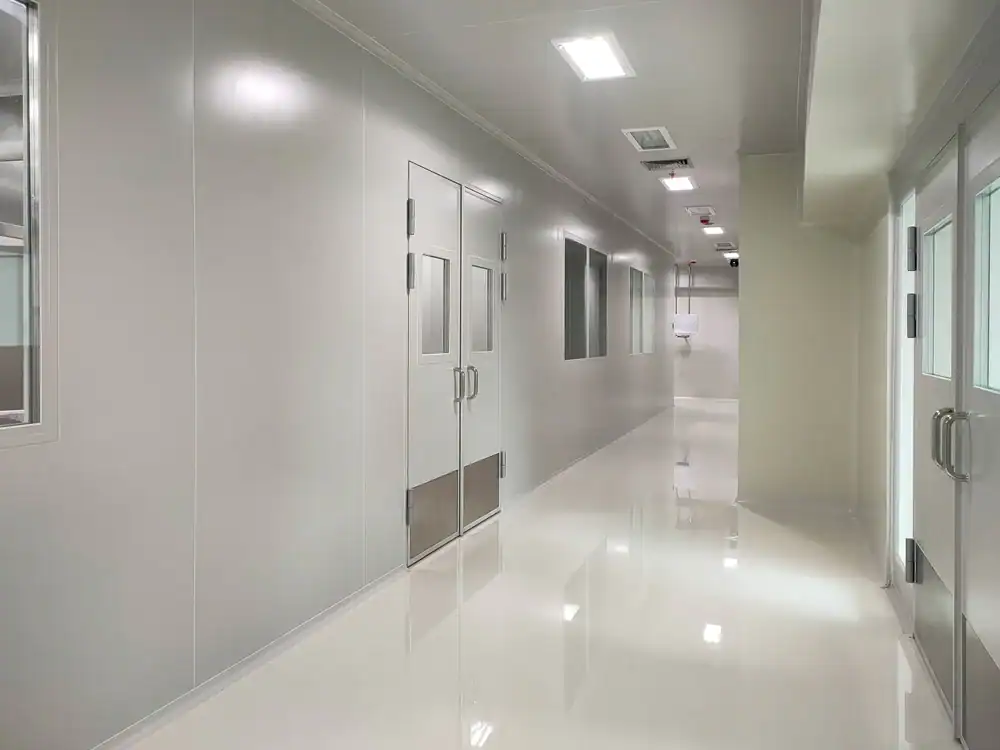
You’re looking at your garage floor, basement, or warehouse space, and you know it needs an upgrade. You’ve heard about epoxy. You’ve heard about polished concrete. Both sound durable. Both look good in photos. But which one actually makes sense for how you’ll use the space?
That’s not a simple question, and anyone who tells you otherwise is oversimplifying. The right flooring depends on what you’re exposing it to, how long you need it to last, and what you’re willing to maintain. Let’s break down what epoxy and polished concrete actually do, where each one performs best, and how to figure out which option fits your situation in Hartford County, New Haven County, New London County, and throughout Connecticut.
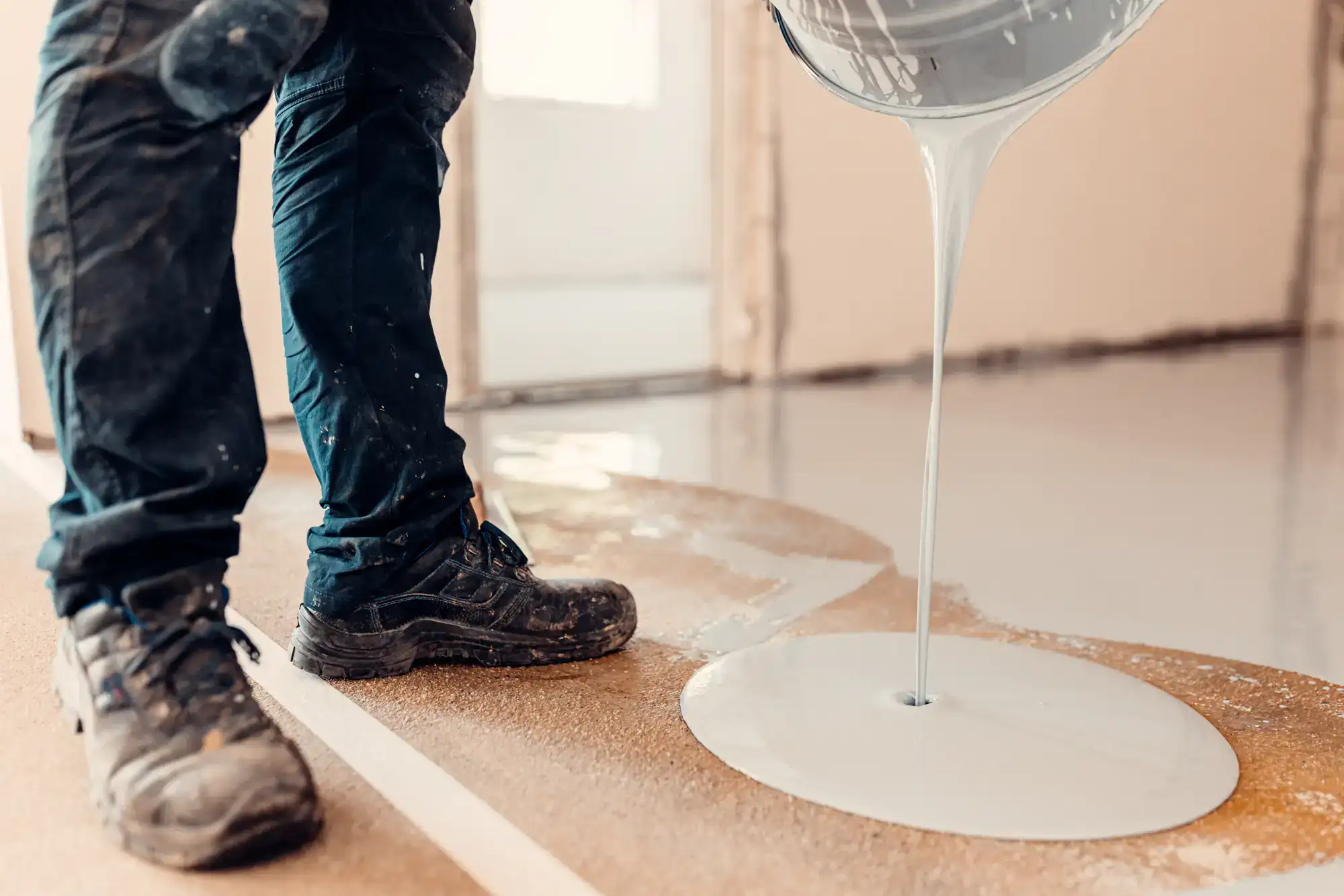
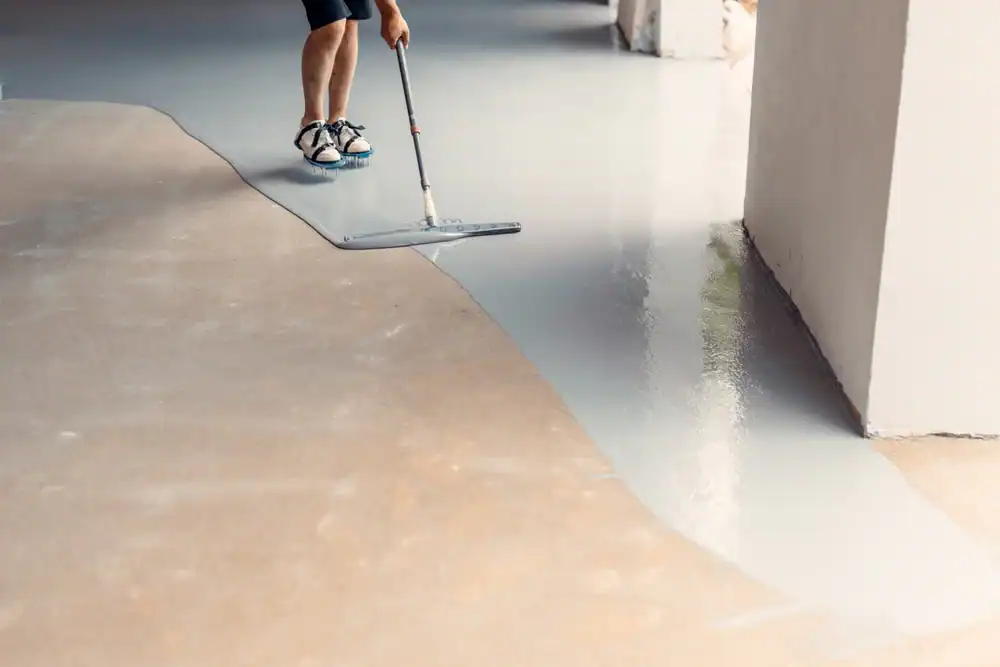
Epoxy flooring is a resin-based coating system applied over concrete. It’s not paint. It’s a two-part system that combines epoxy resin and hardener, triggering a chemical reaction that bonds to the concrete and cures into a hard, protective layer.
The result is a seamless, non-porous surface that resists chemicals, moisture, and impact. Epoxy builds thickness on top of your existing slab, which means it can cover imperfections, cracks, and stains that would otherwise show through. That’s one reason garage floor epoxy is so popular in Connecticut, where oil drips, road salt, and brake fluid are part of daily life.
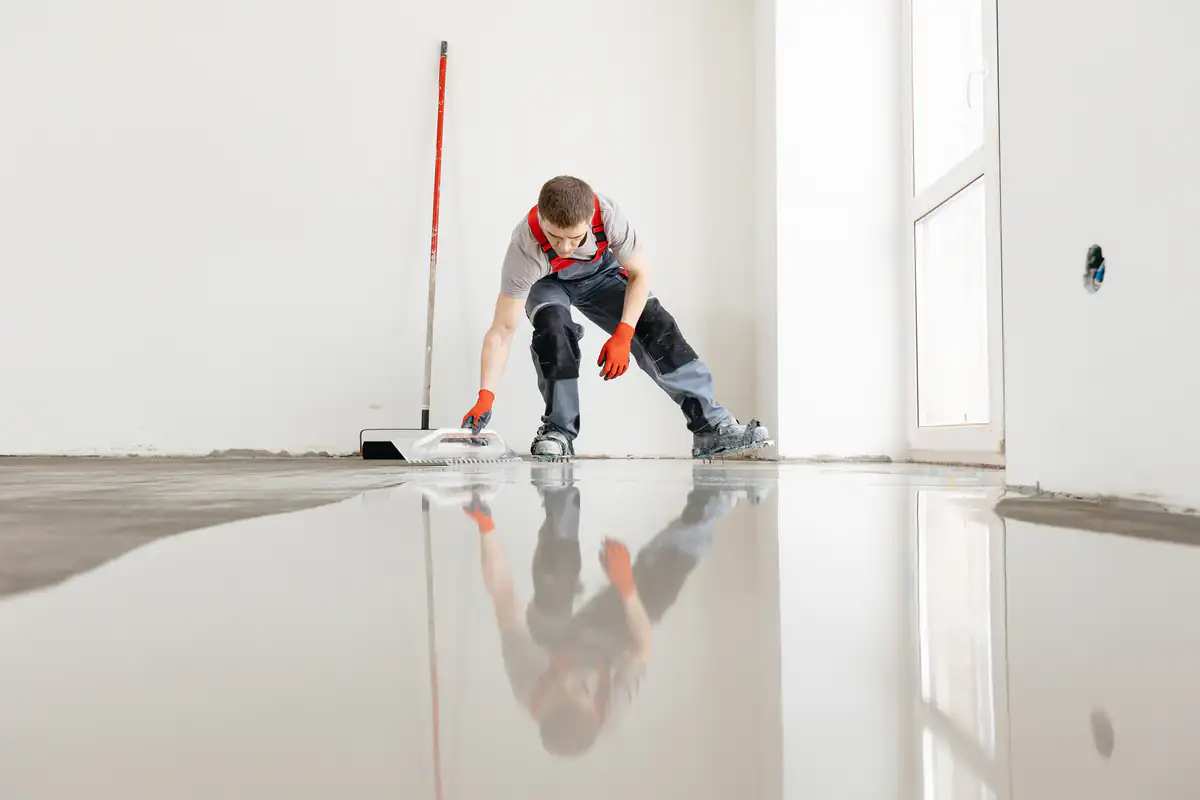
Epoxy’s biggest advantage is chemical resistance. If your floor sees oil, gasoline, antifreeze, or harsh cleaning chemicals, epoxy creates a barrier that polished concrete can’t match. The non-porous finish means spills sit on the surface instead of soaking in. You wipe them up, and they’re gone. That’s exactly what you need in a garage floor covering where messes are inevitable.
This matters in Connecticut, where road salt gets tracked into garages all winter. Salt eats away at untreated concrete. It can also damage coatings that aren’t designed to handle it. We use professional epoxy flooring systems with polyaspartic topcoats that resist salt damage and stay flexible enough to handle freeze-thaw cycles without cracking or peeling. If you’ve ever had a garage floor coating fail after one winter, it’s usually because it couldn’t handle the thermal stress.
Durability depends entirely on the system. Thin, water-based epoxy from a big-box store might last a year or two before it starts peeling. A properly installed multi-layer system with primer, high-build epoxy resin garage floor coating, and a chemical-resistant topcoat can last 15 to 20 years. The difference is in the prep work and the quality of materials. If the concrete isn’t properly ground or etched, even the best epoxy won’t bond correctly.
Epoxy also handles impact well. Dropped tools, heavy equipment, and vehicle traffic won’t chip or crack a quality epoxy coating garage floor. It’s why you see it in commercial kitchens, warehouses, and manufacturing facilities where floors take a beating daily. For residential garages in Hartford County or New Haven County, that same durability translates to a floor that looks good and performs well for decades.
The seamless finish also means no joints or seams where dirt, moisture, or bacteria can hide. That makes epoxy easier to clean and more hygienic than many other flooring options. A quick sweep and occasional mop with mild detergent keeps it looking new.
Epoxy flooring typically costs between $5 and $12 per square foot for professional installation in Connecticut. That includes surface prep, primer, base coat, and topcoat. A standard two-car garage runs around $2,500 to $4,500, depending on the condition of your concrete and the type of finish you choose. If you’re comparing quotes from epoxy flooring contractors, make sure you’re comparing the same type of system. A cheap quote usually means a thin, single-coat application that won’t last.
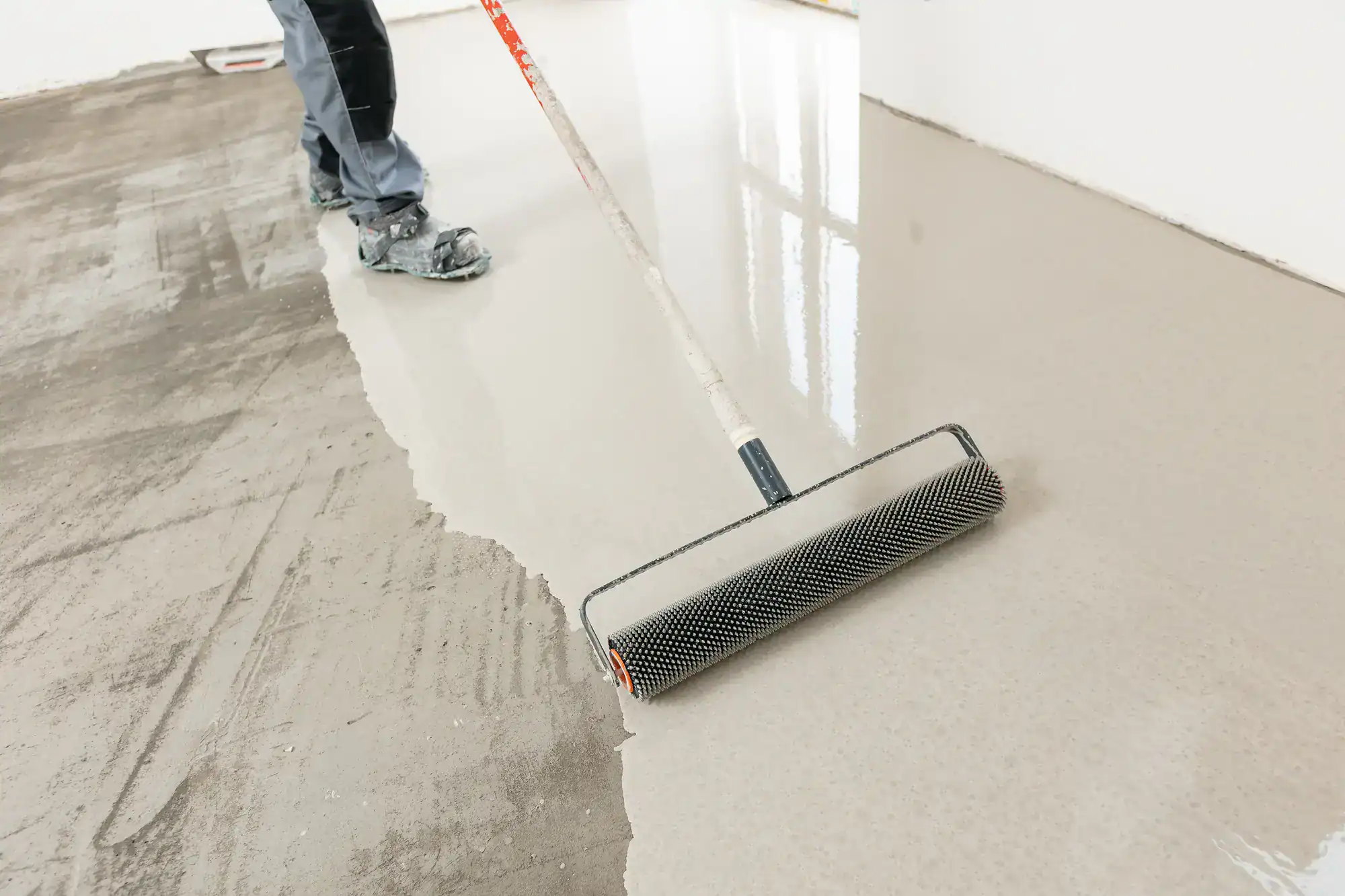
Installation takes about two days. Day one is all prep: grinding the concrete, repairing cracks, and making sure the surface is clean and ready to bond. Day two is application. You can walk on the floor after 24 hours and park your car after 72 hours. That’s faster than most people expect, and it means less disruption to your routine.
The key to a long-lasting epoxy floor is surface preparation. Your concrete needs to be ground or acid-etched so the epoxy has something to grip. If the surface is too smooth or contaminated with oil, the coating won’t stick. That’s where most DIY projects fail. People skip the prep, apply a thin coat, and wonder why it peels off in six months. We know that prep work determines whether your floor lasts two years or twenty.
Color and finish options are nearly endless. Solid colors, decorative flakes, metallic finishes, and custom patterns are all possible. Flakes add texture and slip resistance, which matters in wet conditions. Metallic finishes create a high-end look but work best in spaces with light foot traffic. For garages and high-use areas, a flake system with a clear polyurethane topcoat delivers the best balance of durability and appearance.
Weather matters too. Epoxy needs specific temperature and humidity conditions to cure properly. In Connecticut, that usually means scheduling installation in spring or fall when temperatures are moderate and humidity is manageable. Winter installations are possible but require climate control. Summer installations need to account for humidity. We time projects to give you the best results.
Want live answers?
Connect with a American Poly Floor expert for fast, friendly support.
Polished concrete is exactly what it sounds like: your existing concrete slab, ground down and polished to a smooth, glossy finish. There’s no coating applied. Instead, the concrete itself is treated with chemical densifiers that harden the surface, then progressively finer diamond abrasives are used to polish it to the desired level of shine.
The result is a durable, low-maintenance floor with a natural, industrial look. Polished concrete works well in spaces where the concrete is in good condition and chemical exposure is minimal. You see it in retail stores, offices, showrooms, and modern homes throughout Middlesex County and New London County where the aesthetic fits the design.
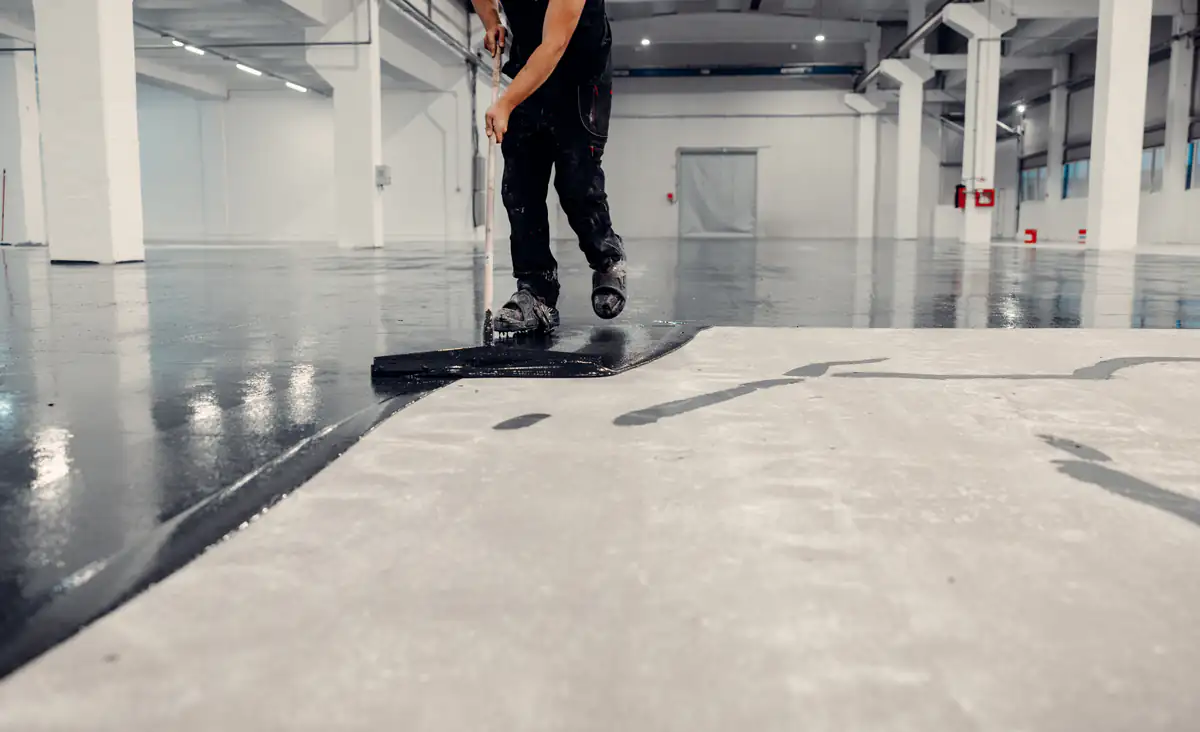
Polished concrete is hard. Really hard. The densification process strengthens the slab, making it resistant to scratches, abrasion, and heavy traffic. It can handle forklifts, foot traffic, and machinery without showing wear. In the right environment, polished concrete can last 20 years or more without needing replacement. That longevity is one of its biggest selling points.
But it has limits. Chemical resistance is not its strong suit. Polished concrete can handle mild spills, but repeated exposure to oils, acids, or harsh chemicals will etch and stain the surface. If you’re working on cars, mixing chemicals, or dealing with road salt tracked in from Connecticut winters, polished concrete isn’t the best choice. It’s porous compared to epoxy, which means liquids can penetrate if they sit too long.
That’s why polished concrete works better in commercial spaces like retail stores, office buildings, and showrooms where foot traffic is the primary concern. It’s less ideal for garages or warehouses where chemical spills are common. If a drop of brake fluid or motor oil sits on polished concrete overnight, you’ll likely have a permanent stain.
Maintenance is straightforward. Sweep regularly, mop occasionally with a pH-neutral cleaner, and you’re done. No waxing, no stripping, no recoating. Every few years, you might need to rebuff the surface to restore the shine, but that’s far less involved than refinishing other types of flooring. For busy commercial properties, that low-maintenance profile is appealing.
Polished concrete also reflects light, which can brighten a space and reduce the need for additional lighting. It’s not as reflective as epoxy, but it still makes a noticeable difference in large warehouses or dimly lit basements. Some studies suggest polished concrete can increase light reflectivity by up to 100%, which translates to lower energy costs over time.
The environmental angle matters to some property owners. Polished concrete uses your existing slab, so there’s no need for additional materials. No coatings, no VOCs, no disposal of old flooring. It’s about as green as flooring gets.
Polished concrete typically costs between $3 and $7 per square foot for basic polishing, with decorative options pushing that to $7 to $12 per square foot. If your slab is in good shape, it’s often less expensive than epoxy because you’re working with what’s already there instead of adding multiple layers. For large commercial spaces, that cost difference can add up quickly.
Installation takes longer than epoxy. Grinding and polishing concrete is a multi-step process that can take several days, depending on the size of the space and the level of finish you want. Matte finishes are faster and cheaper. High-gloss finishes require more passes with finer abrasives, which adds time and cost. For facilities that can’t shut down for extended periods, that timeline might be a dealbreaker.
Polished concrete makes the most sense in spaces with light to medium traffic and minimal chemical exposure. Think offices, retail stores, lobbies, and residential basements where you’re not parking cars or storing chemicals. It’s also a good choice if you want a natural, minimalist look without the glossy sheen of epoxy. The organic appearance of polished concrete fits well with modern, industrial design trends.
One thing to consider: polished concrete doesn’t hide imperfections. If your slab has cracks, stains, or uneven areas, they’ll show through. Epoxy can cover those up. Polished concrete can’t. You might be able to fill cracks and grind down high spots, but if the concrete is in rough shape, painting garage floor with epoxy or applying an epoxy coating is usually the better option.
Another factor is moisture. If your concrete has moisture issues, polished concrete is safer than epoxy. Epoxy can trap moisture underneath, leading to bubbling and delamination. Polished concrete allows the slab to breathe, which reduces the risk of moisture-related problems. In Connecticut, where basements and ground-level slabs can have moisture issues, that’s worth considering.
Polished concrete also works well in spaces where you want to maintain the original character of the building. Historic properties, converted warehouses, and industrial lofts often have concrete slabs that look better polished than covered. If you’re renovating a space in Hartford County or New Haven County and want to preserve that industrial aesthetic, polished concrete delivers.
Choosing between epoxy and polished concrete comes down to how you’ll use the space. If you need chemical resistance, customization, and a seamless finish, epoxy is the better choice. If you want a long-lasting, low-maintenance floor with a natural look and minimal chemical exposure, polished concrete makes more sense.
For garages, basements with vehicle storage, and commercial spaces dealing with oils, salts, and spills, epoxy delivers the protection you need. For retail spaces, offices, and residential areas with foot traffic, polished concrete offers durability without the need for a coating. Both options work well in Connecticut, but they solve different problems.
If you’re in Hartford County, New London County, New Haven County, or Middlesex County and you’re ready to upgrade your floors, we can walk you through both options and help you figure out what works best for your property.
Summary:
Article details:
Share: