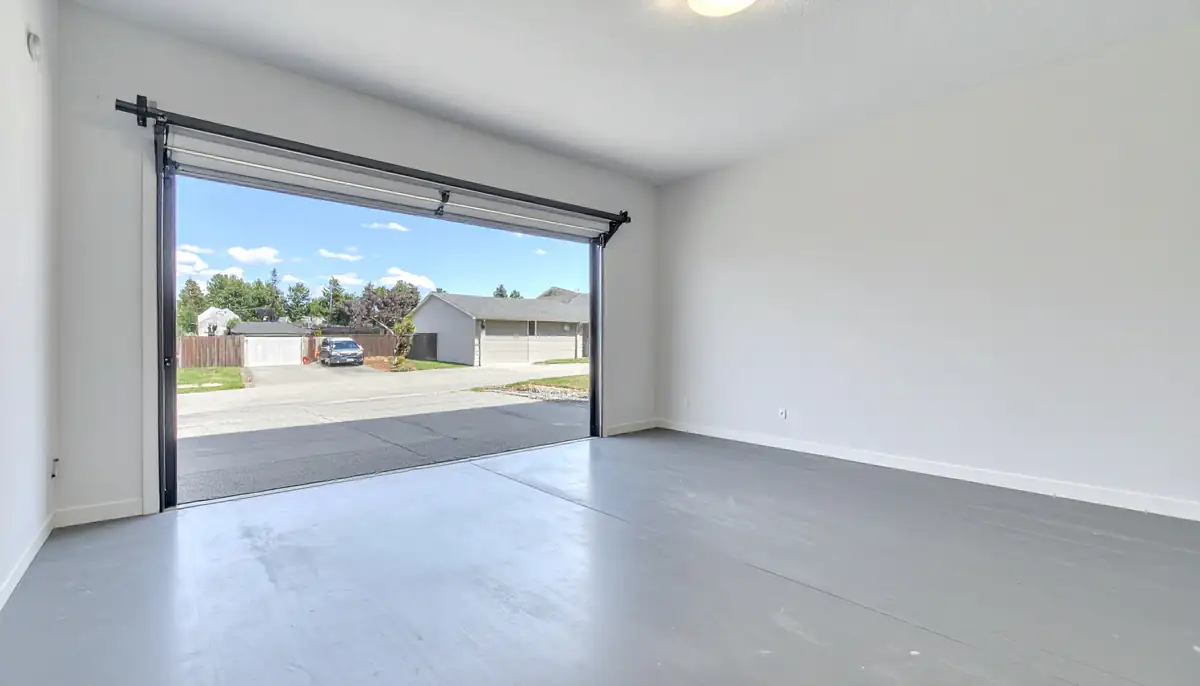
You stop tracking concrete dust through your house. Your garage or basement becomes a space you can actually use without sweeping every other day or scrubbing oil stains that won’t budge.
The floor handles what Old Saybrook throws at it—salt air from the coast, road salt dragged in all winter, temperature swings that crack untreated concrete. You’re not resealing it every few years or watching it peel up in sections.
It’s a one-time installation with a 15-year warranty. Most projects take 2-3 days, and then you’re done thinking about your floor for the next decade and a half. No maintenance headaches. No surprise repairs. Just a surface that works.
We specialize in epoxy flooring Connecticut properties actually need—not the basic kits that fail in two winters. We’re licensed and insured, and we’ve been handling the specific challenges Old Saybrook Center homeowners face for years.
That means understanding how salt air accelerates concrete degradation. How Connecticut’s clay soil and high water tables create moisture problems in nearly every basement. How freeze-thaw cycles destroy coatings that aren’t designed for this climate.
We use industrial-grade materials with moisture vapor barriers underneath every floor. That’s not standard practice, but it’s necessary here. You get a 15-year warranty because the system is built to last that long in these conditions.
First, we assess your concrete. If there’s moisture coming through—common in Old Saybrook Center basements—we address it with a specialized primer that stops vapor transmission. Skipping this step is why most epoxy floors fail.
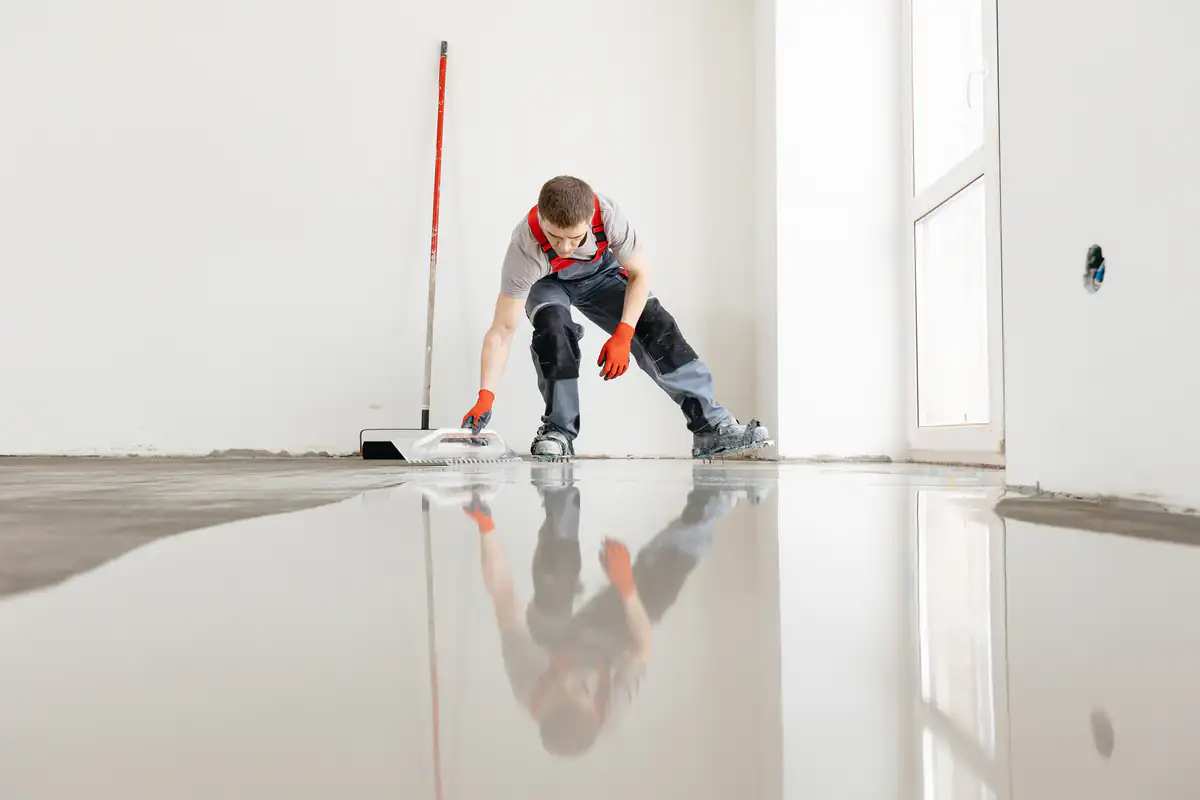
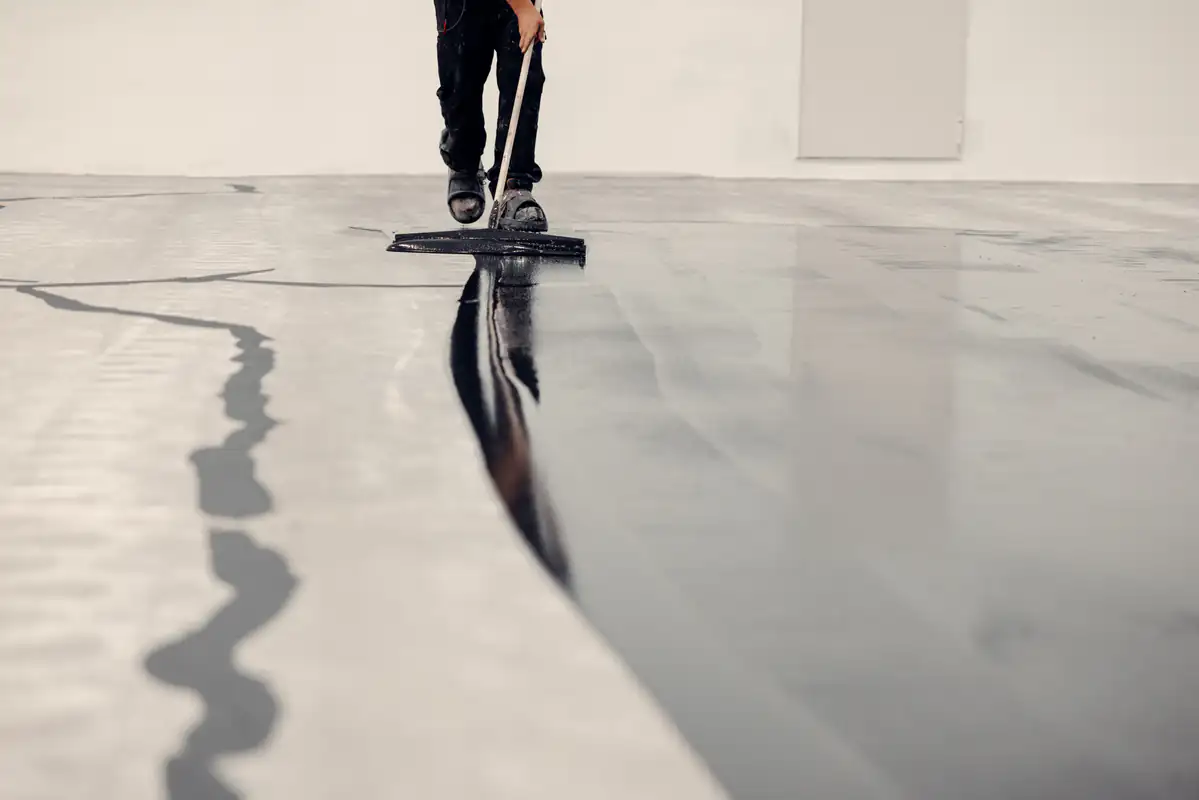
Then we prep the surface. That means grinding down the concrete to open the pores so the coating actually bonds. We’re not just painting over your floor. We’re creating a chemical bond that won’t delaminate when temperatures swing or moisture tries to push through.
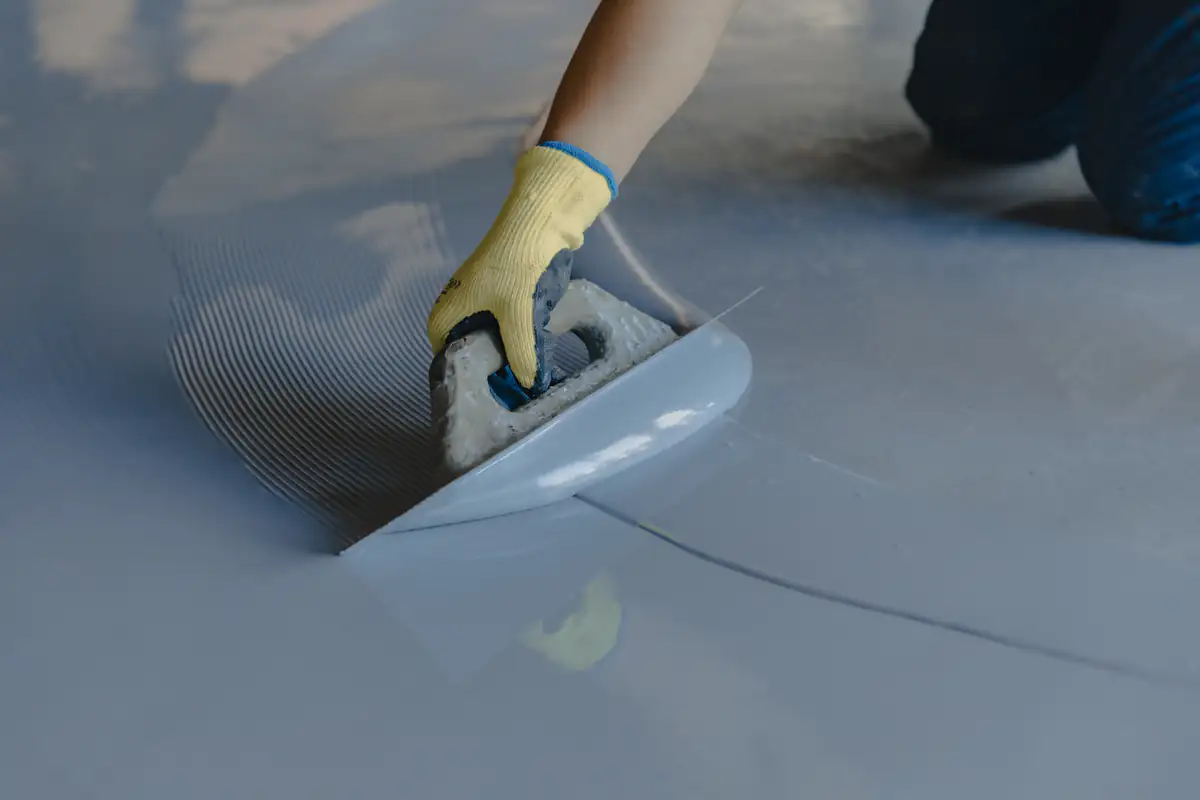
We apply the epoxy system in layers—base coat, color coat, topcoat. For garages, we typically use UV-stable polyaspartics that won’t yellow under sunlight. For basements or commercial spaces, we adjust the system based on what you’re dealing with: foot traffic, chemicals, heavy equipment, whatever.
Most residential projects finish in 2-3 days. You’ll need to stay off it for about 24 hours, and we recommend waiting a few days before parking on it. After that, it’s ready for whatever you throw at it.
Ready to get started?
You’re getting moisture vapor barrier protection as standard—not an upsell. In Old Saybrook Center, with the water table and coastal humidity, this isn’t optional. It’s the difference between a floor that lasts and one that bubbles up in a year.
The coating itself is industrial-grade. We’re talking about systems that meet USDA and FDA standards for food processing facilities. Chemical resistant. Stain resistant. UV-stable so it doesn’t yellow or fade. This isn’t the stuff you buy in a box at the hardware store.
You get a 15-year warranty. That covers delamination, peeling, and coating failure—the things that happen when corners get cut during installation. We’re licensed and insured, and we know Connecticut building codes.
Old Saybrook Center properties deal with specific challenges: salt air corrosion, freeze-thaw damage, moisture intrusion. We’ve seen what fails here and what doesn’t. The system we install accounts for all of it.
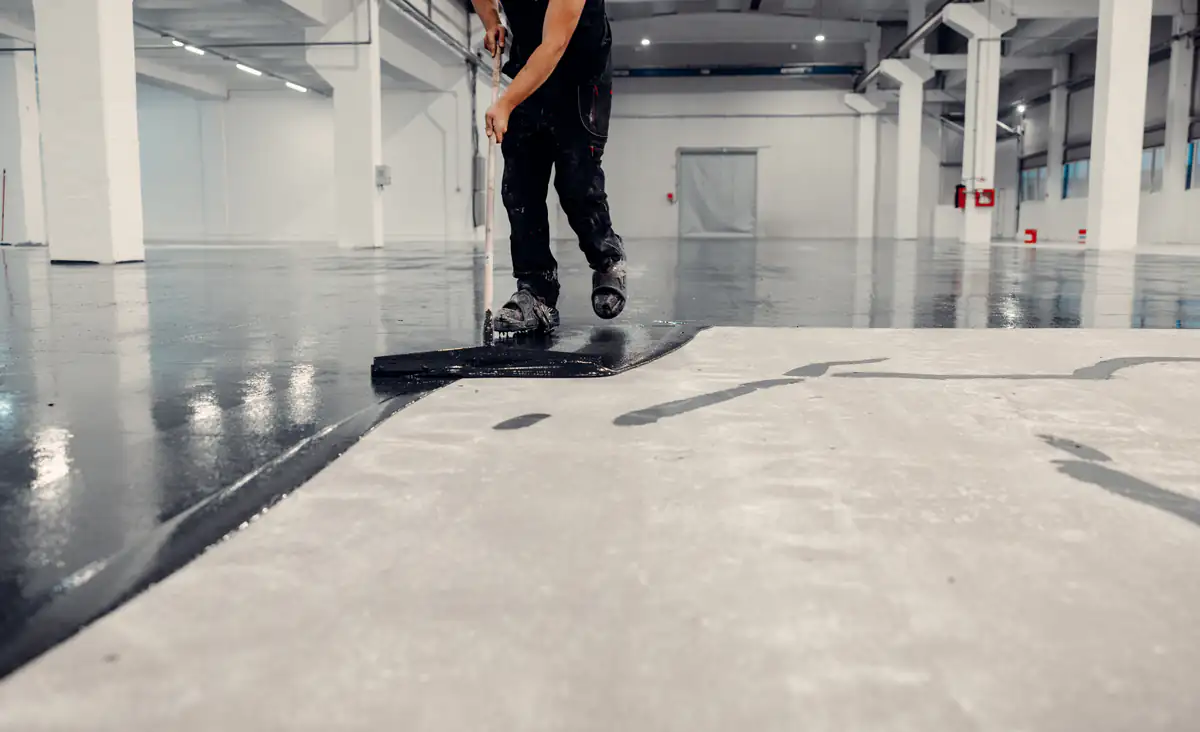
Professionally installed epoxy flooring lasts 15+ years in Old Saybrook Center when it’s done right. That means using moisture barriers, proper surface prep, and UV-stable coatings designed for coastal conditions.
The salt air here accelerates degradation of building materials. Salt attracts moisture, which sits on surfaces and works its way into concrete. That’s why basic epoxy kits fail—they’re not designed to handle constant moisture exposure and temperature swings.
We use industrial-grade systems with specialized primers that stop moisture vapor transmission. The topcoat is UV-stable polyaspartic that won’t yellow or chalk under sunlight. That combination handles what Old Saybrook throws at it—salt, sun, freeze-thaw cycles, road salt dragged in all winter. You’re covered by a 15-year warranty because the system is built to last that long.
Most two-car garages in Old Saybrook Center run between $3,000 and $6,000 for professional epoxy flooring installation. That includes moisture barrier protection, surface prep, industrial-grade coating, and a 15-year warranty.
The range depends on your concrete’s condition and what you’re dealing with. If there’s existing coating that needs removal, or if the slab has cracks or moisture issues, that adds to the prep work. But that prep is what makes the difference between a floor that lasts and one that fails in two years.
You’re not just paying for the coating. You’re paying for proper surface grinding, moisture vapor barriers, multiple layers of industrial-grade materials, and installation by licensed contractors who know Connecticut building codes. The warranty alone has value—most DIY kits and cheap installers offer nothing if the floor fails.
Yes, but only if it’s installed correctly with the right materials. Connecticut’s freeze-thaw cycles and road salt destroy coatings that aren’t designed for these conditions. That’s why we use chemical-resistant, flexible systems that can handle temperature swings without cracking.
Road salt is particularly brutal. It sits on your garage floor for weeks, attracting moisture and eating away at concrete and coatings. Basic epoxy becomes brittle in cold temperatures and can’t handle the chemical exposure. You end up with pitting, flaking, and surface deterioration.
We use polyaspartic topcoats that stay flexible in cold weather and resist chemical damage. The coating is designed for industrial environments where chemical exposure is constant. Road salt, oil, antifreeze—it all wipes up without staining or damaging the surface. That’s the difference between a coating that survives Connecticut winters and one that doesn’t.
We install a moisture vapor barrier beneath every floor in Old Saybrook Center. Connecticut’s clay soil, rock ledge, and high water table create perfect conditions for basement moisture. Without addressing it, epoxy will bubble, peel, or delaminate.
Moisture vapor transmission happens when water moves up through concrete as vapor. You can’t always see it, but it’s there. We test for it, and then we use specialized primers that stop vapor from reaching the coating. That’s not standard practice for most contractors, but it’s necessary here.
If there’s active water intrusion—actual leaks or flooding—that needs to be fixed first. Epoxy isn’t a waterproofing system. But for normal vapor transmission, which is what most Old Saybrook Center basements deal with, the moisture barrier solves it. Your floor stays bonded to the concrete instead of peeling up in sections.
DIY kits use thin, water-based coatings that aren’t designed for Connecticut’s climate. They don’t include moisture barriers, the surface prep is inadequate, and they typically fail within 1-2 years. You’ll see peeling, yellowing, or hot tire pickup where the coating pulls up.
Professional installation uses 100% solids epoxy or polyaspartic systems—industrial-grade materials that are 5-10 times thicker than DIY kits. We grind the concrete to create a proper bond, install moisture barriers, and apply multiple coats with UV-stable topcoats that won’t yellow.
The warranty tells you everything. DIY kits offer nothing. We offer 15 years because we know the system will last. Most homeowners who try DIY end up calling us to fix it anyway. You’re paying twice—once for the kit, once for professional removal and reinstallation. It’s cheaper to do it right the first time.
You can walk on it after 24 hours. For vehicle traffic, wait 3-5 days depending on temperature and humidity. Rushing it risks damaging the coating before it’s fully cured.
Most installations in Old Saybrook Center take 2-3 days total. Day one is surface prep and primer. Day two is base coat and color coat. Day three is topcoat. Then you’re waiting for cure time.
Temperature affects cure speed. In summer, coatings cure faster. In winter, they take longer. We’ll give you a specific timeline based on conditions when we install. Once it’s fully cured, the floor is ready for whatever you throw at it—cars, tools, equipment, salt, chemicals. It’s built for heavy use, but it needs those first few days to reach full strength.
Local Resources
Other Services we provide in Old Saybrook Center