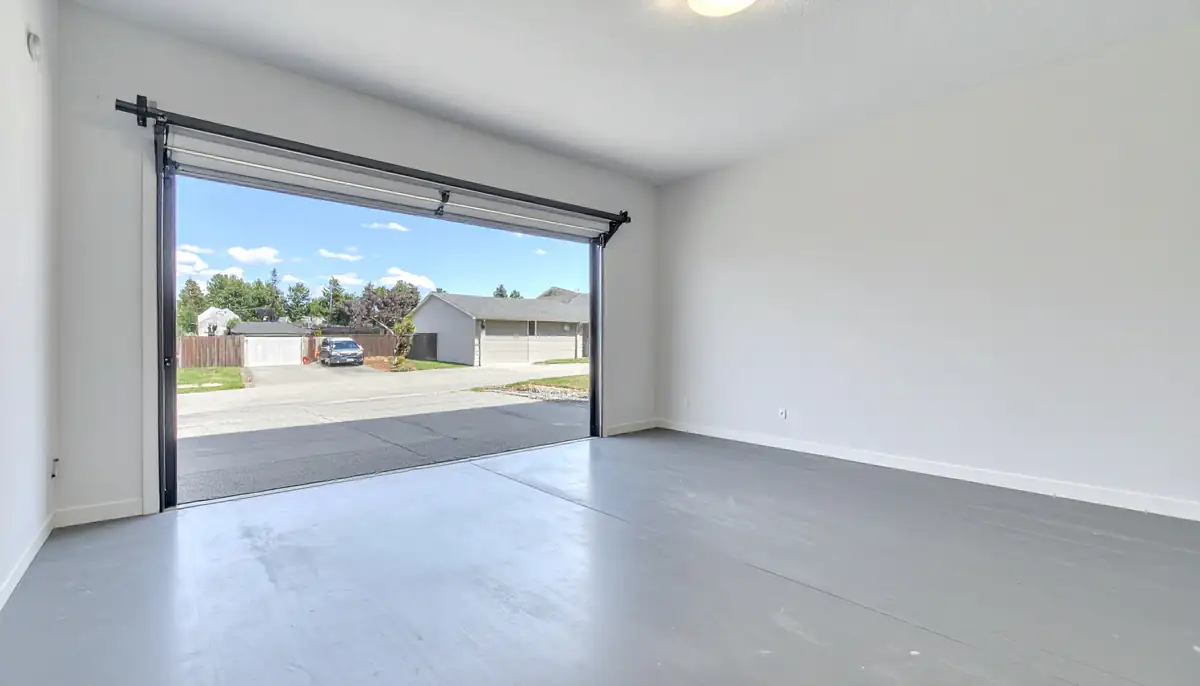
Your garage stops being the space you avoid. No more oil stains that won’t come out, no more concrete dust on everything you own, no more wondering if the floor will hold up through another winter of road salt and freeze-thaw cycles.
You get a seamless surface that cleans with a quick hose-down or mop. Spills wipe up in seconds. The floor resists chemicals, impacts, and the kind of daily abuse that destroys untreated concrete.
It looks sharp enough that you’ll actually want to show it off. And it stays that way for 10 to 20 years when installed correctly, which matters more than most people realize when they’re comparing quotes.
We specialize in epoxy flooring throughout Connecticut, and we’ve worked on hundreds of garages, basements, and commercial floors in Mashantucket and the surrounding areas. We know what fails here and why.
Connecticut’s climate is tough on floors. The freeze-thaw cycles, the salt, the humidity in summer—it all breaks down concrete faster than most people expect. We prep for that specifically.
Our team uses commercial-grade materials designed for high-traffic environments and New England weather. We’re not cutting corners with box-store kits or rushing through surface prep to move on to the next job.
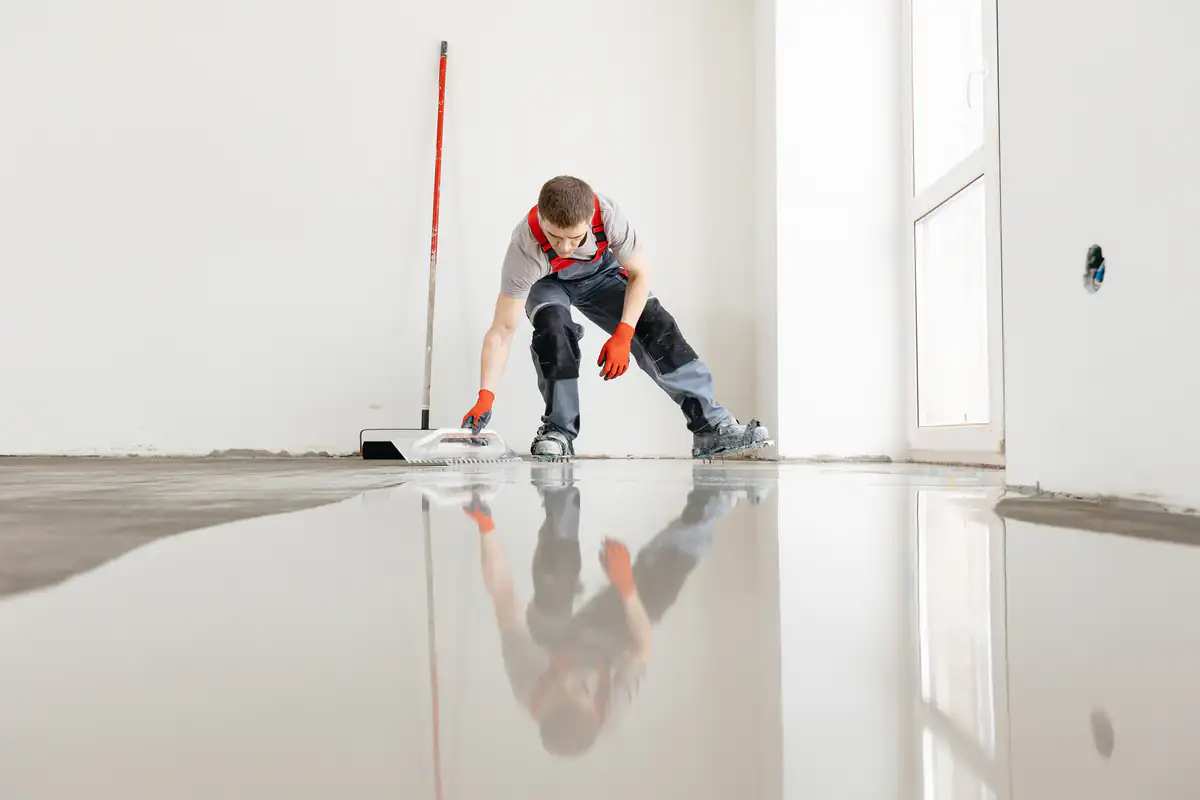
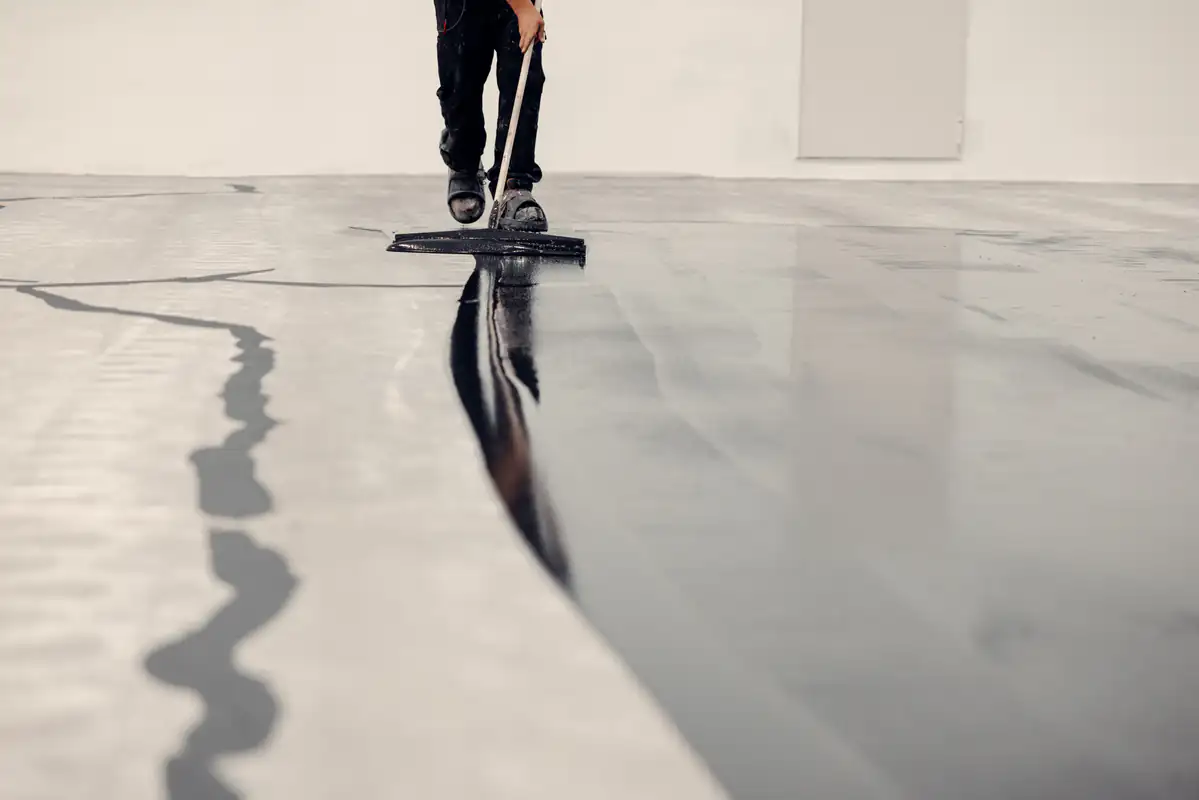
We start with surface prep, which is the part that determines whether your floor lasts two years or twenty. That means grinding down the concrete, repairing cracks and joints, and making sure the surface is clean and ready to bond. If the prep isn’t right, nothing else matters.
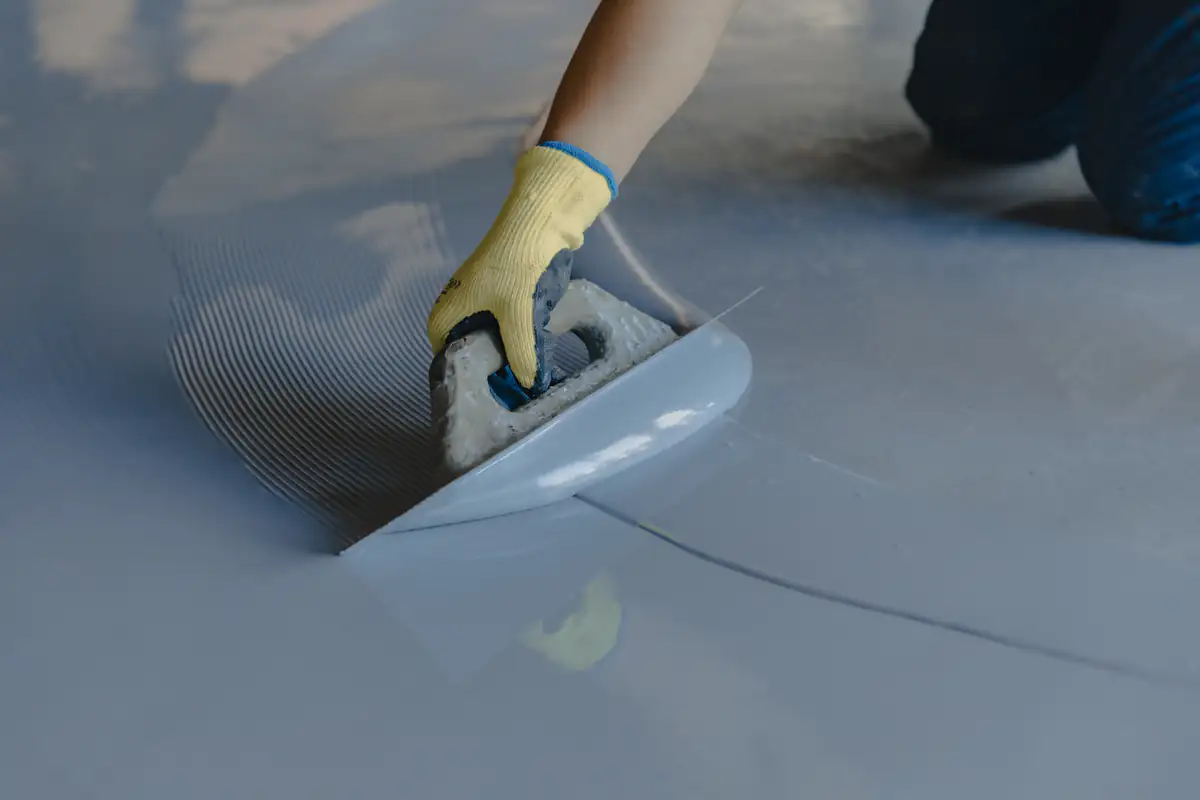
Next comes the epoxy resin application. We apply a base coat, then build up layers depending on what your space needs—more durability for a commercial shop floor, decorative flakes for a residential garage, slip resistance for areas that get wet.
The curing process takes time. You’re usually looking at 24 hours before you can walk on it and a few days before it’s ready for vehicles or heavy equipment. We’ll give you a specific timeline based on temperature and humidity when we’re on-site.
Once it’s cured, you’ve got a floor that’s sealed, protected, and ready to handle whatever you throw at it. Literally.
Ready to get started?
You’re getting a floor system designed specifically for Connecticut conditions. That means coatings that flex with temperature changes, resist moisture from our humid summers, and stand up to the road salt and sand that gets tracked in all winter.
We handle residential garage floors, basement waterproofing and finishing, commercial spaces, and industrial facilities. The process adjusts based on what you need—a showroom finish for your home garage looks different than a chemical-resistant coating for a manufacturing floor, but both start with the same attention to surface prep and material quality.
Mashantucket properties deal with specific challenges. Older concrete foundations can have moisture issues. Garages that aren’t climate-controlled see major temperature swings. We account for that during the prep and product selection phase, not after problems show up.
You also get options: solid colors, decorative flakes, metallic finishes, slip-resistant textures. We’re not pushing you toward the most expensive option—we’re helping you match the floor to how you’ll actually use the space.
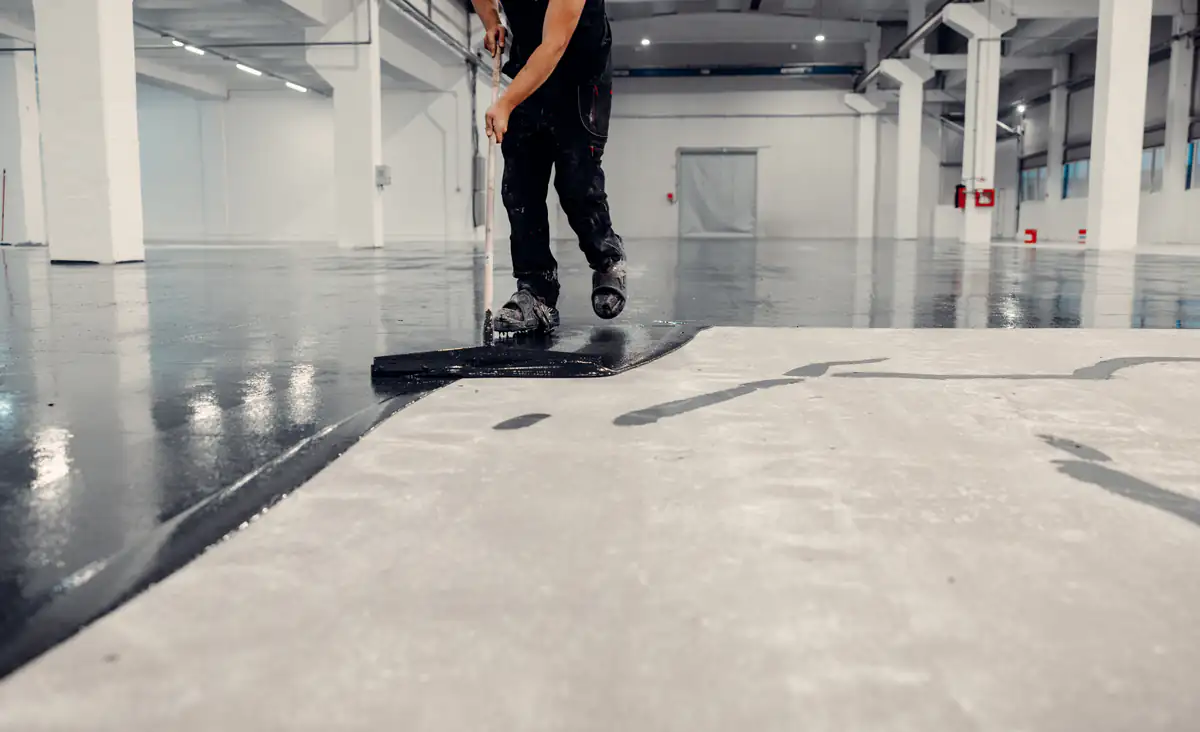
Professional epoxy flooring in Mashantucket, CT typically lasts 10 to 20 years when installed correctly. That’s significantly longer than DIY kits, which usually start failing within one to three years.
The difference comes down to surface preparation and material quality. Connecticut’s freeze-thaw cycles are brutal on concrete. If the surface isn’t properly ground and cleaned, the epoxy won’t bond correctly, and you’ll see peeling or bubbling within the first year.
We use commercial-grade epoxy resin designed to flex with temperature changes and resist moisture intrusion. That matters here because your garage or basement isn’t climate-controlled, and the concrete is constantly expanding and contracting. Cheaper products crack under that stress. The right system moves with it.
Garage floor paint sits on top of the concrete. Epoxy coating bonds to it chemically. That’s why paint peels and chips within a year or two, especially in high-traffic areas or anywhere you’re parking vehicles.
Epoxy creates a thicker, more durable surface—usually several times thicker than paint. It resists impacts, chemicals, oil, road salt, and abrasion in ways that paint simply can’t. You’re not repainting every couple of years.
The installation process is also completely different. Painting a garage floor in Mashantucket might seem cheaper upfront, but you’ll redo it multiple times over the lifespan of one epoxy floor. And every time you repaint, you’re dealing with the same prep work, the same downtime, and the same disappointing results a year later.
Yes, but the cracks and damage need to be repaired first. Epoxy won’t fix structural problems—it will just highlight them later when the floor continues to move and crack underneath.
We assess the concrete condition before we start. Small cracks get filled and sealed. Larger structural issues might need joint repair or concrete patching. If there’s significant spalling or moisture damage, we address that during prep. Skipping this step is how most epoxy floors fail early.
Once the repairs are done and the surface is properly ground and cleaned, the epoxy bonds to the concrete and creates a seamless, durable finish. But there’s no shortcut here. If someone’s offering to coat over damaged concrete without fixing it first, you’re going to have problems within a year.
You can walk on the floor after about 24 hours. For vehicle traffic or heavy equipment, you’re looking at three to five days, depending on temperature and humidity levels during curing.
Connecticut weather affects cure times. If we’re installing in winter when your garage is cold, it takes longer. In summer heat, it’s faster. We’ll give you a specific timeline when we’re on-site based on current conditions.
Rushing this part ruins floors. The epoxy needs time to fully cure and reach maximum hardness. If you drive on it too early, you’ll leave tire marks or damage the surface before it’s fully bonded. We’ve seen people undo an entire installation by parking on it a day too soon. It’s frustrating, but the chemistry doesn’t care about your schedule—it takes the time it takes.
Standard epoxy can be slippery when wet, which is why we add slip-resistant textures to most residential and commercial installations. You have options depending on how much traction you need.
For garage floors in Mashantucket where you’re tracking in snow, ice, and water all winter, we typically recommend adding an anti-slip additive to the topcoat. It creates texture without making the floor hard to clean. You still get the smooth, seamless look, but with enough grip that you’re not sliding around.
Commercial and industrial spaces often need more aggressive slip resistance, especially in areas that get wet frequently or where safety regulations apply. We can adjust the texture level based on your specific use case. The key is planning for it during installation—adding slip resistance after the fact doesn’t work well.
DIY kits run about $2 to $4 per square foot in materials. Professional installation costs $3 to $12 per square foot depending on the condition of your concrete, the type of epoxy system, and any repairs needed. For a typical two-car garage in Mashantucket, you’re looking at $1,200 to $6,000 for professional work.
Here’s what matters more than the upfront cost: DIY floors last one to three years before they start peeling or wearing through. Professional installations last 10 to 20 years. You’ll redo a DIY floor five to ten times over the same period, and you’re spending your weekends doing it.
The other factor most people don’t consider is surface prep. DIY kits assume you have the right equipment and know-how to properly grind and clean the concrete. Most homeowners don’t. Without that prep, even expensive epoxy won’t bond correctly. We see failed DIY attempts regularly—people who spent a weekend and a few hundred dollars only to have the floor peel up within a year. Then they call us to fix it, which often costs more than doing it right the first time.
Local Resources
Other Services we provide in Mashantucket