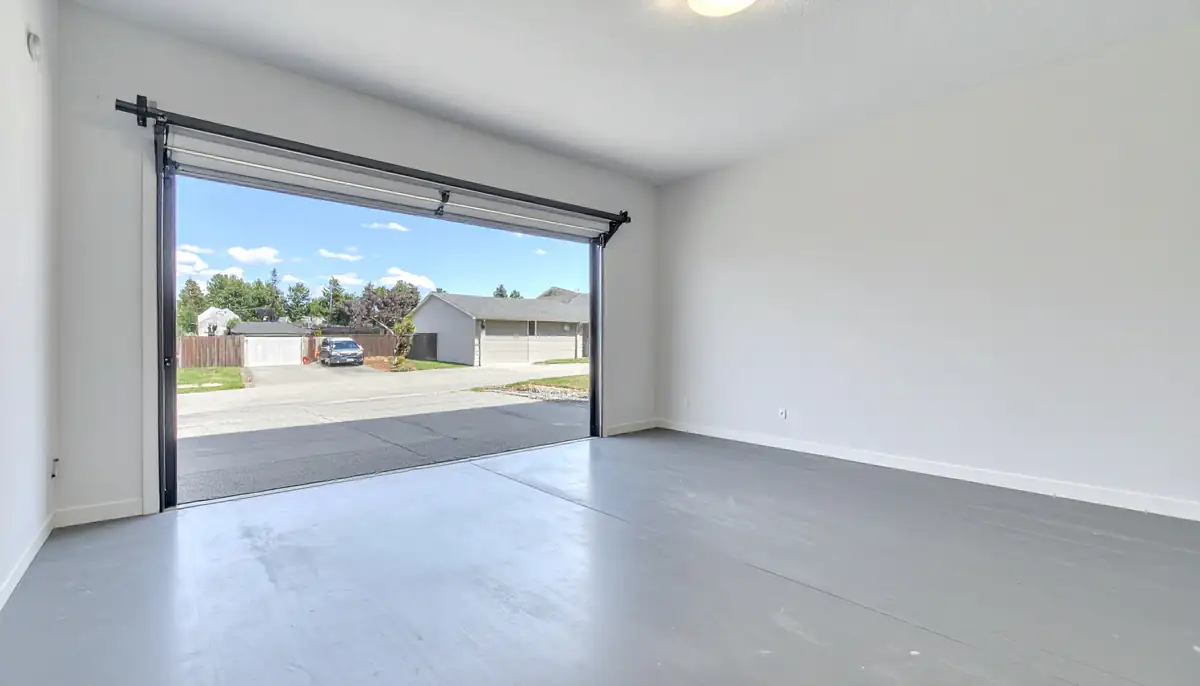
You’ve probably seen garage floors that looked great for six months, then started peeling at the edges. Or basement floors that never quite dried right. That’s what happens when moisture gets trapped under a coating that wasn’t designed for Connecticut’s humidity levels.
Epoxy flooring in Hartford, CT needs to account for freeze-thaw cycles, ground moisture moving through concrete slabs, and temperature shifts that cause expansion and contraction. Skip those steps and you’re looking at premature failure. Address them properly and you get a floor that holds up for decades.
The difference shows up in how the floor performs three years in. No bubbling. No discoloration. No sections lifting up because water vapor pushed through from below. Just a clean, durable surface that still looks like it was installed last month.
We operate out of East Hartford and serve Hartford County, New Haven County, Middlesex County, and New London County. We’re BBB accredited, licensed, bonded, and insured. More importantly, we’ve been installing epoxy coating garage floors and commercial systems across Connecticut long enough to know exactly what fails here and why.
Connecticut’s climate creates specific challenges. Basements stay damp. Garages see road salt tracked in all winter. Commercial spaces need FDA-compliant surfaces that can handle washdowns. We’ve handled all of it, from residential garage floor coating in Hartford, CT to industrial facilities that run 24/7.
You’re working with people who understand the local conditions, not a national franchise following a one-size-fits-all playbook.
First, we assess the concrete. That means checking for moisture levels, existing damage, and whether the slab needs repair before any coating goes down. Most epoxy floor failures trace back to skipping this step.
Next comes surface prep. We grind the concrete to open the pores, remove any contaminants, and create a profile that lets the epoxy bond properly. If there’s a moisture issue, we apply a vapor barrier primer that stops water transmission from below. This matters in Hartford basements where ground moisture is common.
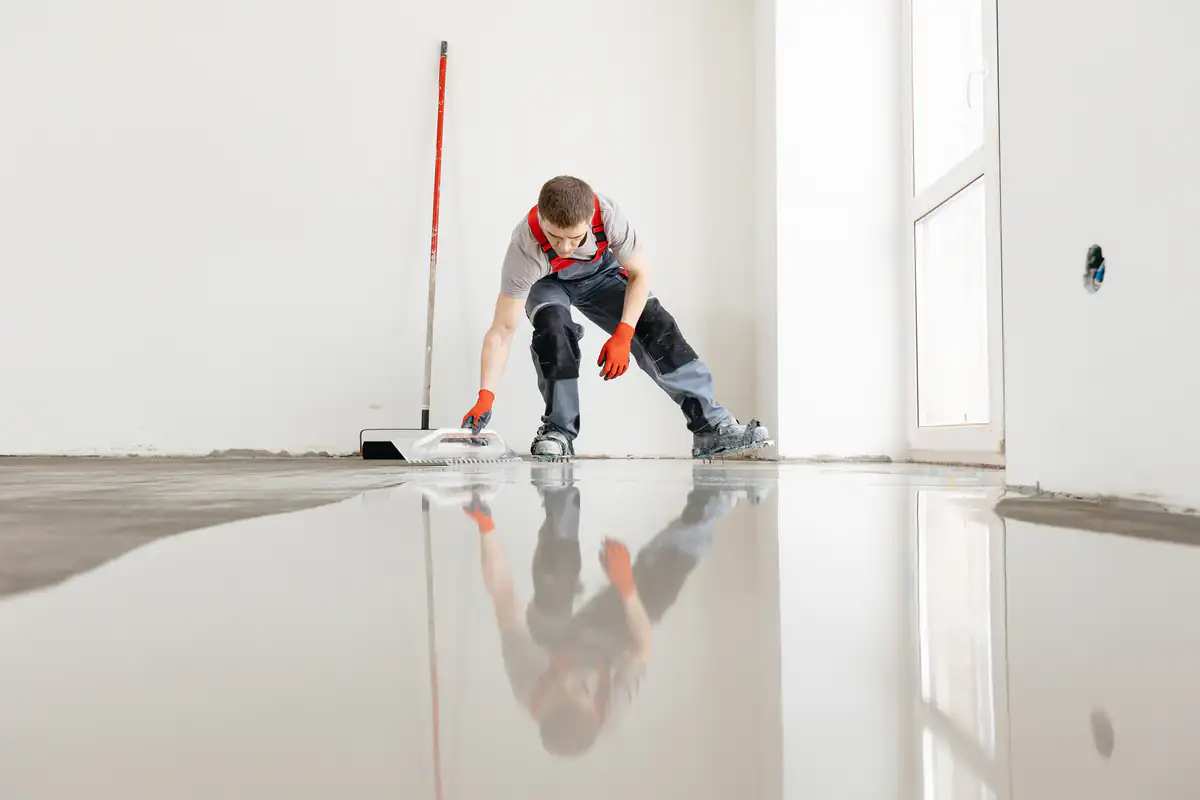
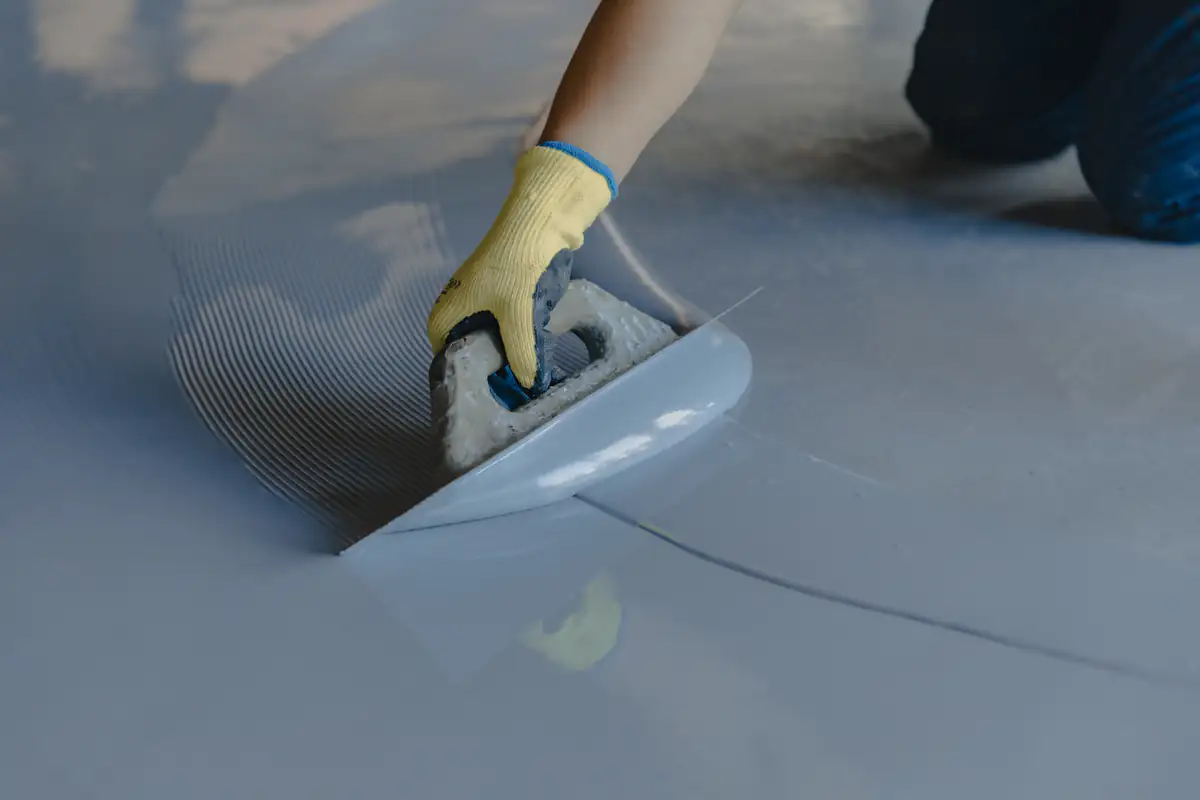
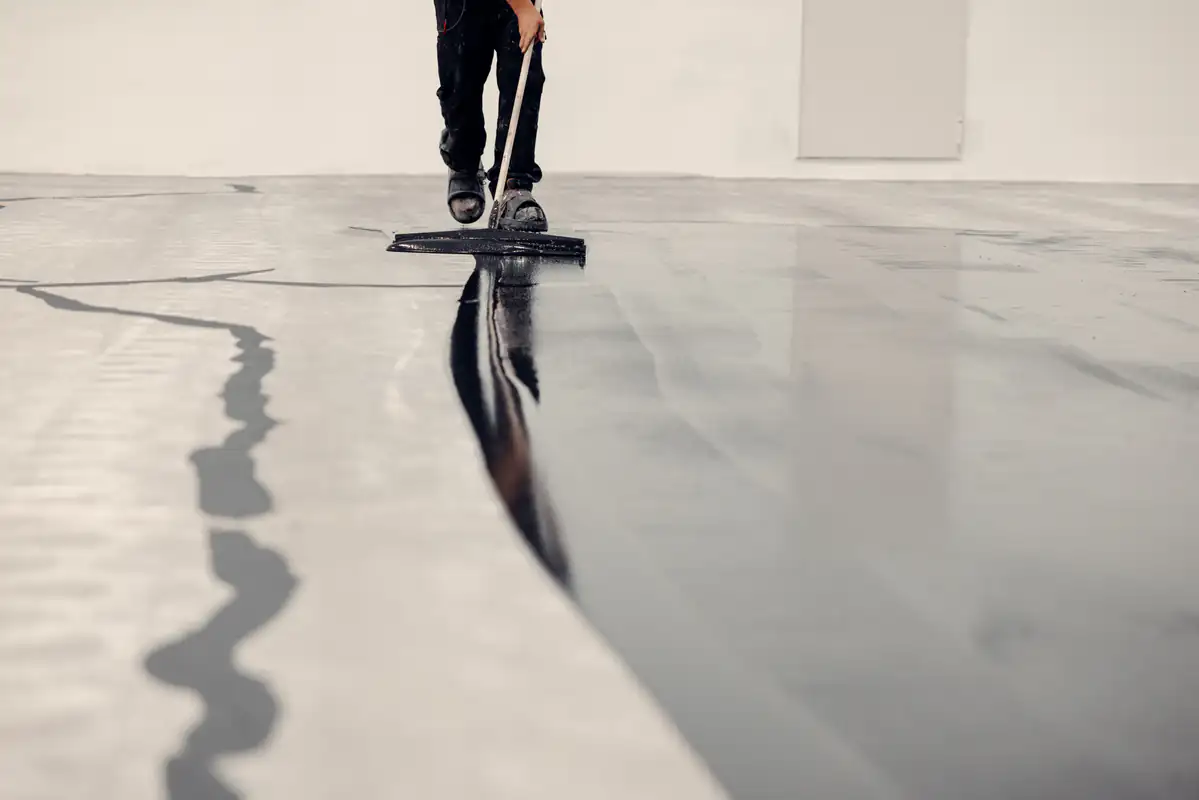
Then we install the epoxy system. For garage floor covering epoxy in Hartford, CT, that usually means a base coat, optional decorative flakes, and a clear topcoat. For commercial spaces, we use polyaspartic or polyurea systems that cure faster and handle heavier abuse. Most residential projects finish in two to three days. You’re back to using the space within 24 to 48 hours after the final coat.
Ready to get started?
We handle the full process: surface evaluation, concrete repair if needed, moisture testing, proper surface prep, vapor barrier application when required, and multi-coat installation with UV-stable topcoats that won’t yellow.
You also get a system designed for Connecticut. That means coatings that flex with temperature changes, resist road salt and de-icing chemicals, and handle the moisture levels common in Hartford County basements and garages. DIY kits don’t account for these variables. They’re designed for ideal conditions that don’t exist here.
For commercial applications, we install FDA and USDA-compliant systems for food processing facilities, healthcare environments, and manufacturing plants. These floors handle chemical exposure, frequent washdowns, and heavy equipment without breaking down. They’re seamless, non-porous, and meet strict hygiene standards.
Our warranty covers both materials and installation. If something fails because of how we installed it, we fix it. That’s standard. What’s not standard is the attention to moisture management and surface prep that prevents failures in the first place.
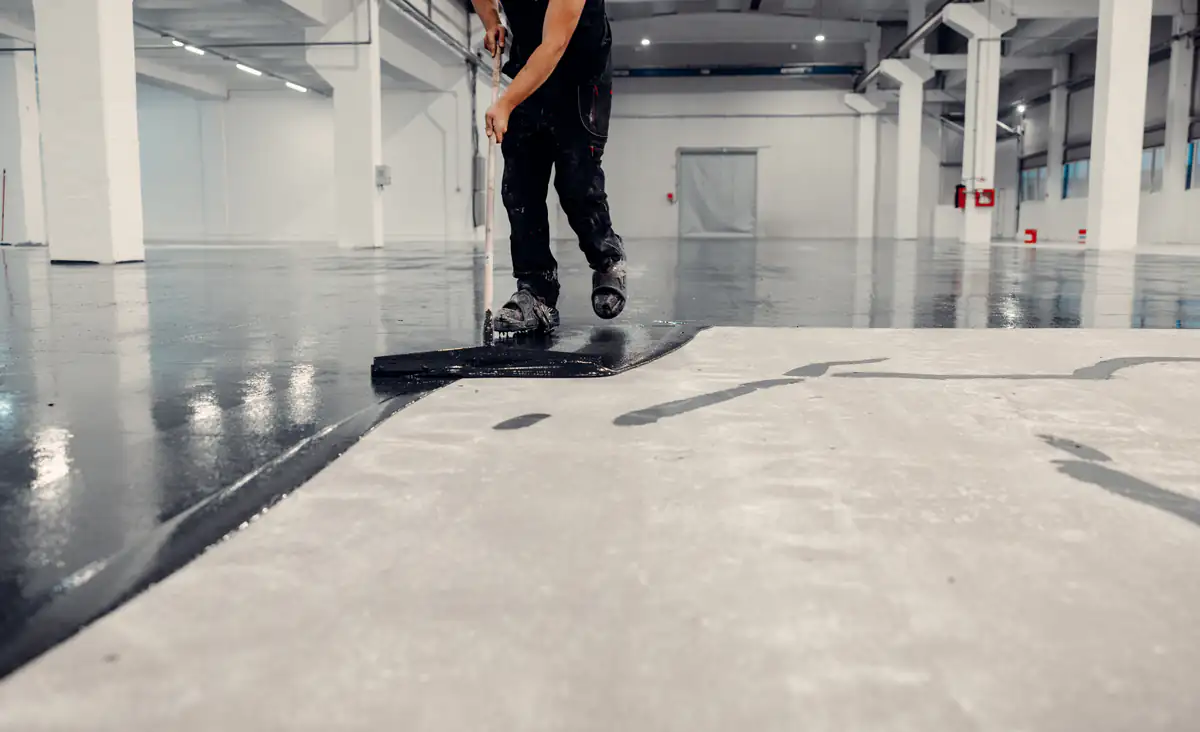
Professionally installed epoxy flooring in Hartford, CT typically lasts 15 to 20 years in residential garages and 10 to 15 years in commercial settings with heavy use. The lifespan depends on traffic levels, maintenance, and whether the installation addressed moisture issues upfront.
Connecticut’s freeze-thaw cycles and humidity put extra stress on floor coatings. Systems that don’t include vapor barriers or proper surface prep fail within two to five years. You’ll see peeling, bubbling, or sections lifting up where moisture pushed through from below.
The floors that last are the ones installed over properly prepared concrete with moisture mitigation built in. That means grinding the surface to the right profile, applying primer systems that block vapor transmission, and using UV-stable topcoats that won’t yellow or chalk over time. Maintenance is straightforward: sweep regularly, mop as needed, and avoid dragging sharp metal objects across the surface.
DIY epoxy kits use thinner coatings with lower solids content. They’re easier to apply but don’t bond as well or last as long. Most fail within two to three years, especially in Connecticut where moisture and temperature swings are constant.
Professional systems use 100% solids epoxy or polyaspartic coatings that are two to three times thicker. The difference shows up in durability and chemical resistance. A DIY coating might handle light foot traffic, but it won’t hold up to hot tires, road salt, or the kind of abuse a working garage sees.
The bigger issue is surface prep. DIY instructions tell you to acid-etch the concrete. That’s not enough. We use diamond grinders to open the concrete pores and create the mechanical bond the coating needs. We also test for moisture and apply barrier primers when needed. Skip those steps and the coating fails regardless of what product you use.
Yes, but the cracks need to be repaired first. Small hairline cracks get filled and sealed. Larger structural cracks require more extensive repair, and in some cases, we’ll recommend addressing the underlying issue before installing any coating.
Epoxy won’t stop a crack from moving. If the concrete is still settling or shifting, the coating will crack along with it. That’s why we assess the slab condition before quoting any job. You need to know what you’re dealing with upfront.
For garage floor coating in Hartford, CT, we often see cracks caused by freeze-thaw cycles or poor initial installation. These can usually be repaired and coated without issue. For basement floors, the concern is whether the crack is allowing water infiltration. If it is, we address that before any epoxy goes down. Otherwise, you’re just covering up a problem that will resurface later.
Professional epoxy flooring in Hartford, CT typically runs $3 to $15 per square foot depending on the system, surface condition, and whether you need moisture mitigation. A standard two-car garage averages $1,500 to $3,500. Commercial installations cost more due to thicker coatings and specialized requirements.
The price reflects what’s included: surface prep, concrete repair if needed, moisture testing, primer application, base coat, optional decorative flakes, and a UV-stable topcoat. Cheaper quotes usually mean corners are being cut somewhere, often in surface prep or coating thickness.
DIY kits cost $200 to $600 in materials but often fail within a few years, meaning you pay twice—once for the kit and again for professional installation to fix it. The better approach is doing it right the first time. You’ll spend more upfront but avoid the cost and hassle of redoing a failed floor. Most residential projects in Hartford County complete in two to three days with minimal disruption.
Yes, but only if the moisture is managed correctly. Most concrete retains some level of moisture, and Connecticut basements often have elevated humidity or water vapor transmission through the slab. Standard epoxy will fail in these conditions.
The solution is a moisture vapor barrier system applied before the epoxy. These primers are designed to block water vapor moving up through the concrete. Without this step, moisture gets trapped under the coating and causes it to delaminate. You’ll see bubbling, peeling, or a milky appearance where water is pushing through.
We test moisture levels before installation using calcium chloride tests or relative humidity probes. If levels are too high, we either apply a vapor barrier primer or recommend addressing the source of moisture first. For epoxy resin garage floors in Hartford, CT basements, this step is non-negotiable. Skip it and the floor fails. Include it and you get a durable, long-lasting surface that handles Connecticut’s humidity without issue.
Epoxy flooring is low maintenance. Sweep or dust mop regularly to remove dirt and debris. Mop with a mild cleaner and water when needed. That’s it for routine care.
Avoid using harsh chemicals or abrasive scrubbers that can dull the finish over time. For garage floor covering epoxy in Hartford, CT, you’ll want to rinse off road salt and de-icing chemicals during winter months. These won’t damage the epoxy, but letting them sit can leave residue that dulls the shine.
The surface is non-porous, so spills don’t soak in. Oil, antifreeze, and household chemicals wipe up easily. If you drop something heavy and chip the coating, small repairs are possible without redoing the entire floor. Most professionally installed systems in Hartford maintain their appearance for years with minimal effort. The floors that require more maintenance are the ones that weren’t installed correctly in the first place.
Other Services we provide in Hartford