
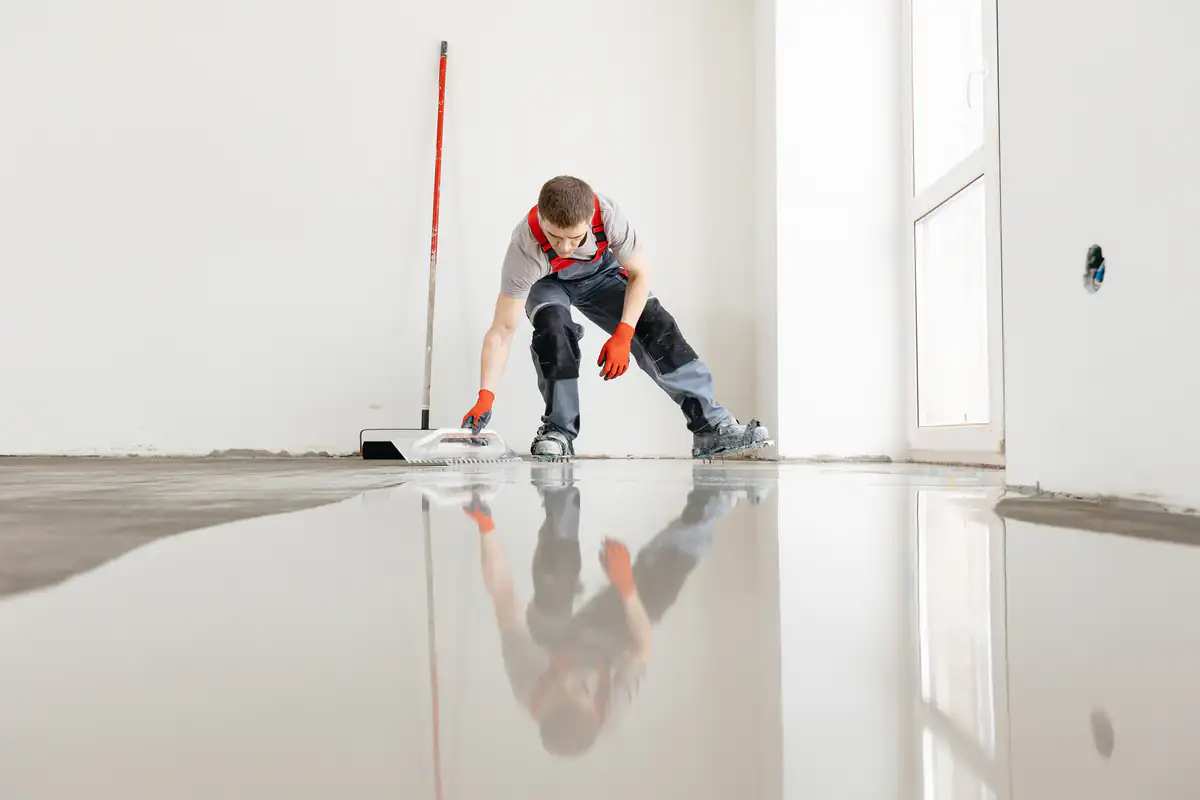
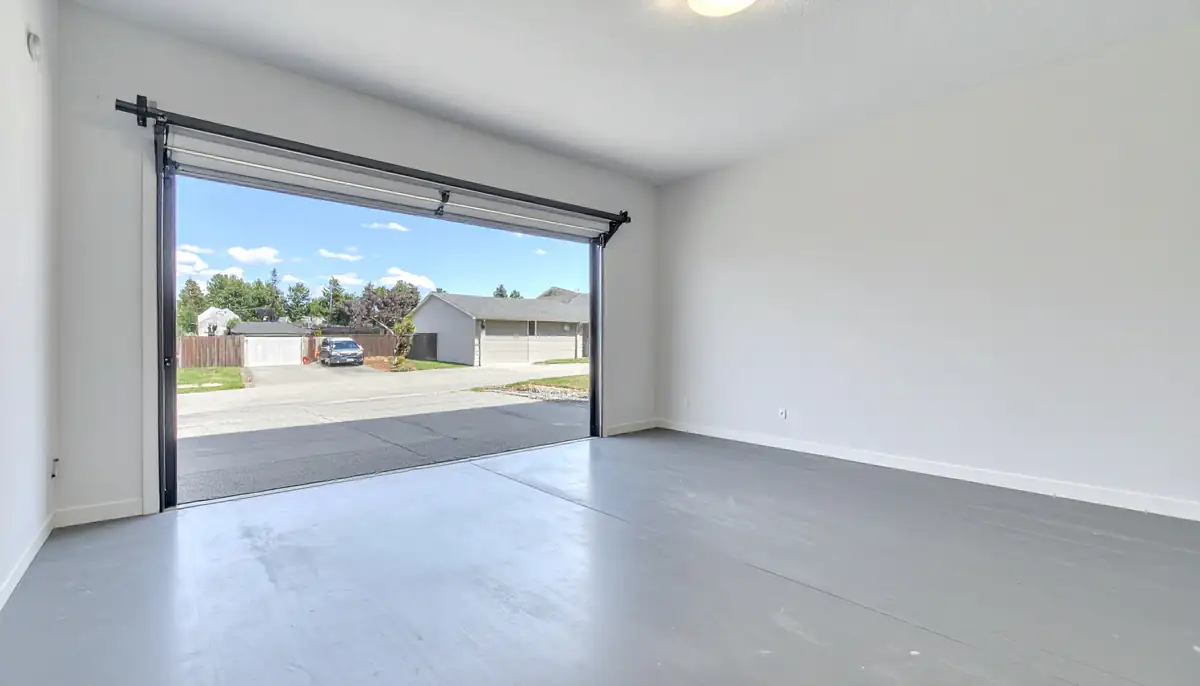
Your garage floor takes a beating. Road salt tracked in all winter. Oil drips from the car. Moisture seeping up through the concrete because Coventry Lake sits on clay soil with a high water table. You’ve probably tried sealing it yourself, or maybe you’re just tired of sweeping concrete dust through the house.
Here’s what changes when you get it done right. Oil wipes up in seconds instead of staining permanently. No more concrete dust coating your tools and car. The floor actually looks good enough that you don’t avoid parking inside. And you’re not recoating it every few years because it was installed correctly the first time.
Most epoxy flooring failures happen because of poor surface prep or no moisture barrier. Connecticut’s freeze-thaw cycles and ground moisture destroy coatings that aren’t designed for it. That’s why we diamond-grind every surface and install vapor barriers on basement and garage floors in Coventry Lake. It’s the difference between a floor that lasts two years and one that’s still performing fifteen years later.
We specialize in epoxy and polyaspartic coatings built specifically for Connecticut conditions. We’re BBB accredited, licensed, and insured. Our team has over 30 years of combined experience, and we’ve seen every type of floor failure that happens in this region.
Coventry Lake properties deal with unique challenges. The soil here has high clay content and significant ledge, which means water doesn’t drain away from foundations like it should. That creates hydrostatic pressure that pushes moisture up through concrete slabs. If your epoxy flooring company doesn’t account for that, your coating will fail.
We install moisture vapor barriers as standard on every garage and basement floor in Coventry Lake. It’s not an upsell. It’s what actually works in Connecticut.
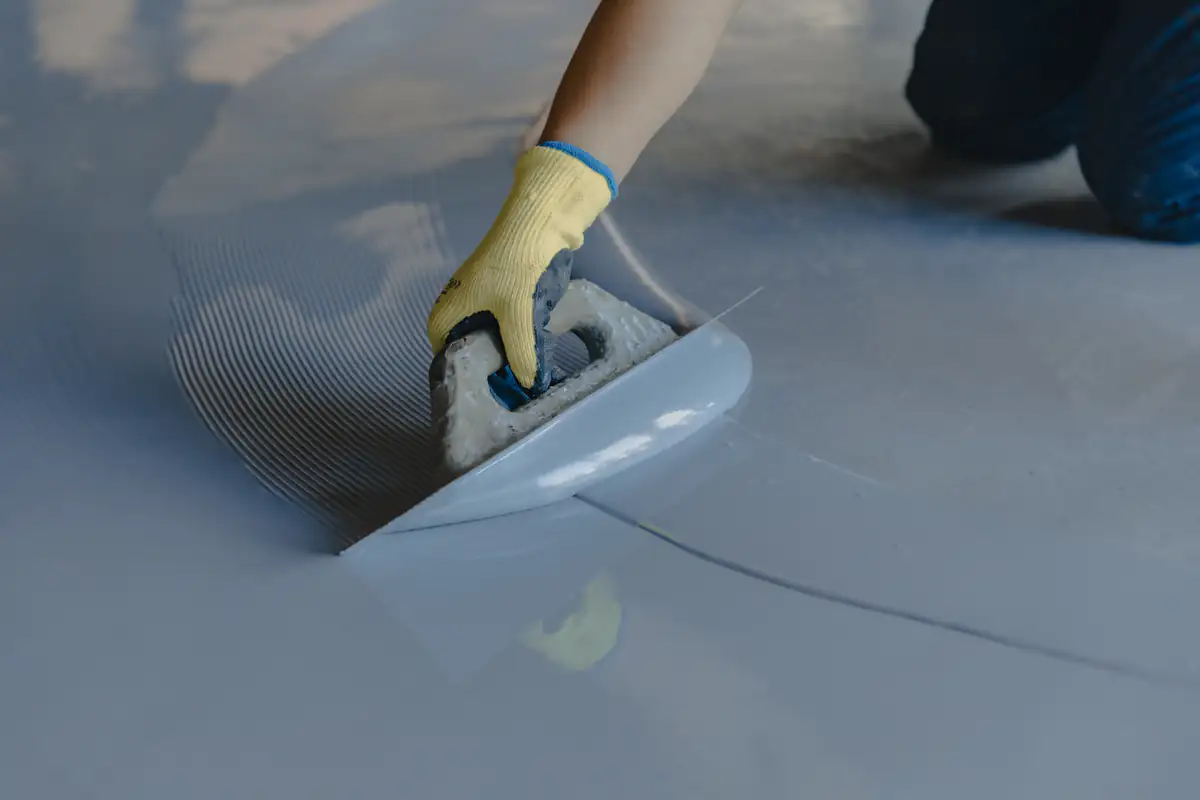
First, we evaluate your concrete. We’re checking for moisture issues, existing coatings, cracks, and surface contamination. If there’s a problem, we tell you exactly what it is and how we’ll fix it before we start.
Next comes surface preparation. We diamond-grind the entire floor to create the right profile for adhesion. This removes any existing sealers, opens the concrete pores, and creates a clean surface. We repair cracks and address any structural issues. Then we vacuum everything and do a final cleaning.
After prep, we apply the moisture vapor barrier if needed. This is critical in Coventry Lake because of ground moisture. Then we install the base epoxy coat, broadcast decorative flakes if you want them, and finish with a clear polyaspartic topcoat that’s UV-stable and chemical resistant.
Most residential garage floors in Coventry Lake take two to three days total. You can walk on it after 24 hours and drive on it after 48 to 72 hours depending on temperature. We don’t rush the cure time because that’s when coatings fail.

Ready to get started?
Every epoxy flooring installation from us includes complete surface preparation with diamond grinding, crack repair, moisture testing, and professional-grade materials. You’re getting industrial epoxy base coats, not the thin stuff sold in home improvement stores. We use polyaspartic topcoats that won’t yellow under UV exposure and can handle Connecticut’s temperature swings from summer heat to subzero winters.
Coventry Lake is part of the Wappaquasset Lake watershed area, which means properties here often deal with higher groundwater levels, especially during spring thaw and heavy rain periods. That’s why moisture vapor barriers aren’t optional for us. We install them on every garage floor coating project because we’ve seen what happens when contractors skip this step. The coating delaminates within two years, usually starting at the edges where moisture intrusion is highest.
You also get a 15-year warranty that covers both materials and installation. That’s longer than most epoxy flooring contractors offer because we’re confident in how we prepare and install. The warranty includes coverage for peeling, bubbling, and coating failure related to moisture when the floor is installed according to our process.
For commercial properties in Coventry Lake, we install USDA and FDA approved epoxy resin systems that meet requirements for food service, pharmaceutical, and healthcare facilities. These are seamless, chemical-resistant floors designed for heavy use and strict sanitation standards.
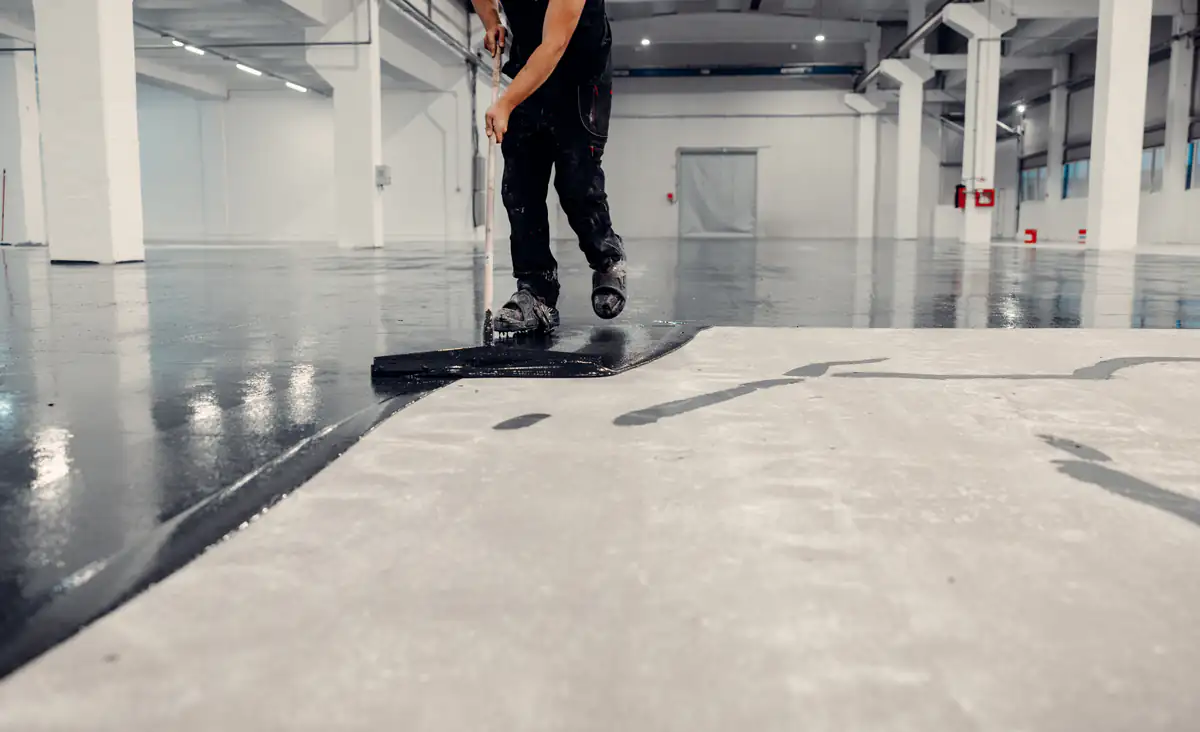
Professional epoxy flooring installed with proper surface prep and moisture barriers lasts 10 to 15 years in Connecticut with normal residential use. Commercial installations in high-traffic areas typically need recoating every 7 to 10 years depending on use intensity.
The key factors that determine lifespan in Coventry Lake are surface preparation quality and moisture mitigation. Connecticut’s freeze-thaw cycles, road salt exposure, and ground moisture are hard on coatings. If the concrete wasn’t diamond-ground to the right profile, or if no vapor barrier was installed, you’ll see failure much sooner—often within two to three years.
DIY epoxy kits typically fail within two years because they don’t include proper primers or moisture barriers, and most homeowners don’t have diamond grinders to prep the surface correctly. The coating just sits on top of the concrete instead of bonding into it. That’s why professional installation costs more but lasts five times longer.
Epoxy flooring with a moisture vapor barrier will stop water vapor from coming up through your concrete, but it won’t fix active water intrusion from cracks, foundation issues, or surface drainage problems. Those need to be addressed separately before coating.
Coventry Lake properties often have moisture issues because of clay soil and high water tables. Water vapor naturally moves up through concrete slabs due to hydrostatic pressure. A proper moisture vapor barrier blocks this transmission and prevents the epoxy coating from bubbling or delaminating. We test moisture levels before installation and won’t coat a floor that’s too wet until the source is fixed.
If you’re seeing actual water pooling in your garage, that’s a drainage or foundation issue that needs correction first. But if you’re dealing with dampness, concrete that always feels cold and moist, or previous coatings that bubbled and peeled, a vapor barrier under your epoxy coating will solve it. We install these as standard on every garage and basement floor in Coventry Lake because ground moisture is so common here.
Epoxy is the base layer that bonds to concrete and provides thickness and impact resistance. Polyaspartic is the clear topcoat that provides UV stability, chemical resistance, and faster cure times. Most professional garage floor coating systems use both.
Epoxy alone will yellow over time when exposed to sunlight, which is why garages with windows or doors that let in UV light need a polyaspartic topcoat. Polyaspartic also cures much faster than epoxy—you can usually drive on it within 48 hours instead of waiting five to seven days. It’s more flexible, which helps it handle Connecticut’s temperature swings without cracking.
Some epoxy flooring contractors in Coventry Lake use all-epoxy systems to save money, but you’ll notice yellowing within a year if your garage gets any sun exposure. We use industrial-grade epoxy for the base coats and UV-stable polyaspartic for the topcoat. It costs slightly more upfront but maintains its appearance for the full 15-year warranty period instead of looking aged after two years.
Your concrete needs to be at least 28 days old, fully cured, and have moisture vapor emission rates below 3 pounds per 1,000 square feet per 24 hours. It also needs to be free of oils, sealers, paints, and surface contaminants. Most importantly, it needs proper surface profile, which requires diamond grinding.
We test every floor before installation. If your garage floor was sealed previously, we’ll grind that off. If there are oil stains, we treat them with degreasers and grind the surface. Cracks get routed out and filled with epoxy crack filler. The goal is a clean, porous surface that the epoxy can bond into at a molecular level.
In Coventry Lake, we also check for moisture issues because of the local soil conditions. If moisture levels are too high, we’ll identify the source and recommend solutions before coating. Sometimes it’s as simple as improving gutter drainage. Other times it requires more extensive waterproofing. We won’t install epoxy flooring on concrete that isn’t ready because we know it will fail, and that’s not fair to you.
No. Existing coatings, paints, and sealers must be completely removed before installing epoxy flooring. If we coat over old material, the new epoxy will only be as strong as whatever it’s sitting on top of—and that old coating will eventually fail and take the new floor with it.
This is one of the most common mistakes DIY installers make. They acid-etch or lightly sand a painted floor and apply epoxy over it. It might look fine initially, but within months you’ll see peeling, usually starting at the edges or high-traffic areas. The epoxy never bonded to the concrete—it only stuck to the paint, which wasn’t designed to handle that kind of stress.
We diamond-grind every floor down to bare concrete. This removes all previous coatings and creates the surface profile needed for proper adhesion. It’s dusty and time-consuming, but it’s why professional epoxy coating installations last 10 to 15 years while DIY jobs fail in two. If an epoxy flooring company in Coventry Lake tells you they can coat over your existing floor without grinding, they’re setting you up for failure.
Almost none. Sweep or blow off dirt and debris regularly. Mop with water and a mild cleaner when needed. That’s it. Epoxy flooring is one of the lowest-maintenance surfaces you can install.
Oil, antifreeze, and most chemicals wipe up easily if you catch them within a day or two. For stubborn stains, use a degreaser and a stiff brush. Avoid using metal shovels or dragging sharp objects across the surface—polyaspartic topcoats are tough but not indestructible. If you’re storing heavy equipment, put rubber pads under the feet to distribute weight.
In Coventry Lake, you’ll track in road salt all winter. Just rinse or mop it off periodically so it doesn’t build up. The coating itself is salt-resistant, but letting brine sit on any surface long-term isn’t ideal. Some homeowners put down mats near the garage door during winter, but it’s not required. Your epoxy garage floor will handle Connecticut winters without special treatment as long as it was installed correctly with proper surface prep and a moisture barrier.
Other Services we provide in Coventry Lake