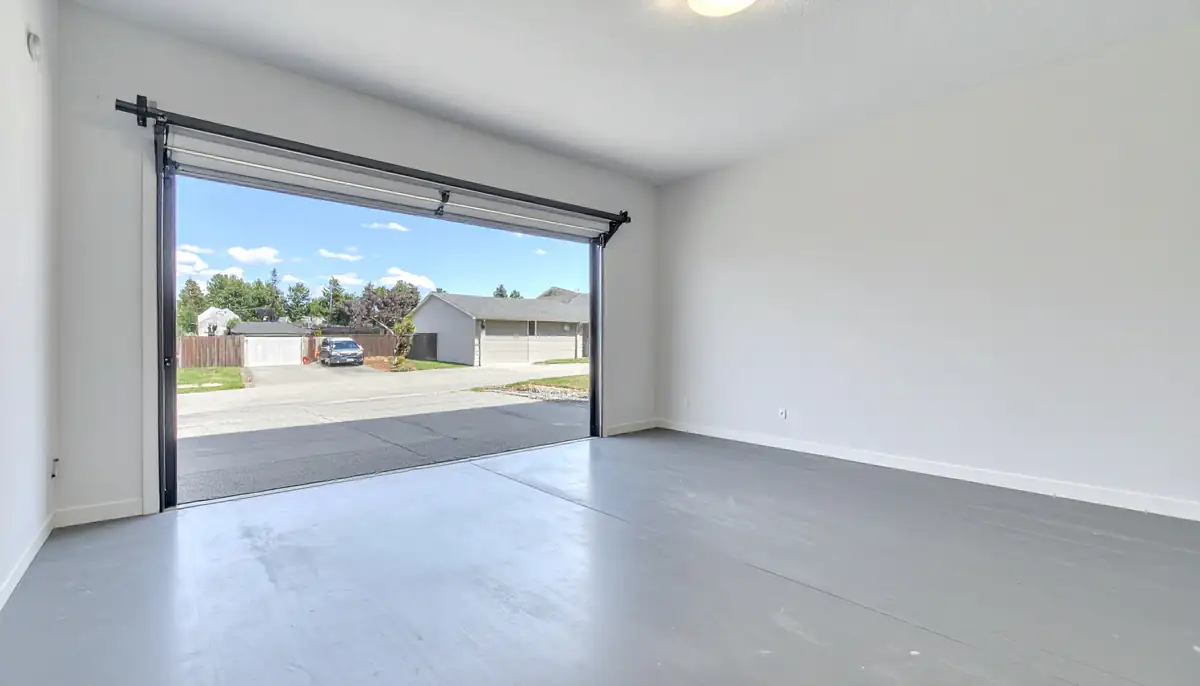
You’re tired of sweeping concrete dust off your car. Oil stains that won’t scrub out. Cracks spreading every winter because Connecticut’s freeze-thaw cycles are brutal on untreated concrete.
Epoxy flooring in Canton Valley, CT solves that. A seamless, non-porous surface that stops dust at the source, resists oil and chemical spills, and flexes with temperature swings instead of cracking apart. Most garage floor coating projects finish in two to three days, and you’re back to parking on it within 24 hours.
The real benefit isn’t just how it looks. It’s what you stop dealing with. No more tracking fine dust through your house. No more scrubbing stains that never come out. No more wondering if your floor will hold up through another New England winter. Just a clean, durable surface that works.
We’re locally owned and operated in Connecticut. Our team has over 30 years of business experience, and we’ve been installing epoxy resin garage floors across Hartford, New Haven, New London, and Middlesex Counties since 2020.
We’re licensed, insured, and BBB accredited. Every epoxy flooring installation we do in Canton Valley, CT includes a moisture vapor barrier—because we know what happens when you skip that step in Connecticut basements and garages. High water tables, seasonal humidity, and temperature swings will destroy a floor that wasn’t prepped right.
You’re not getting a crew that learned epoxy coating from YouTube. You’re getting contractors who understand local conditions and install systems that last 15 years, backed by a real warranty.
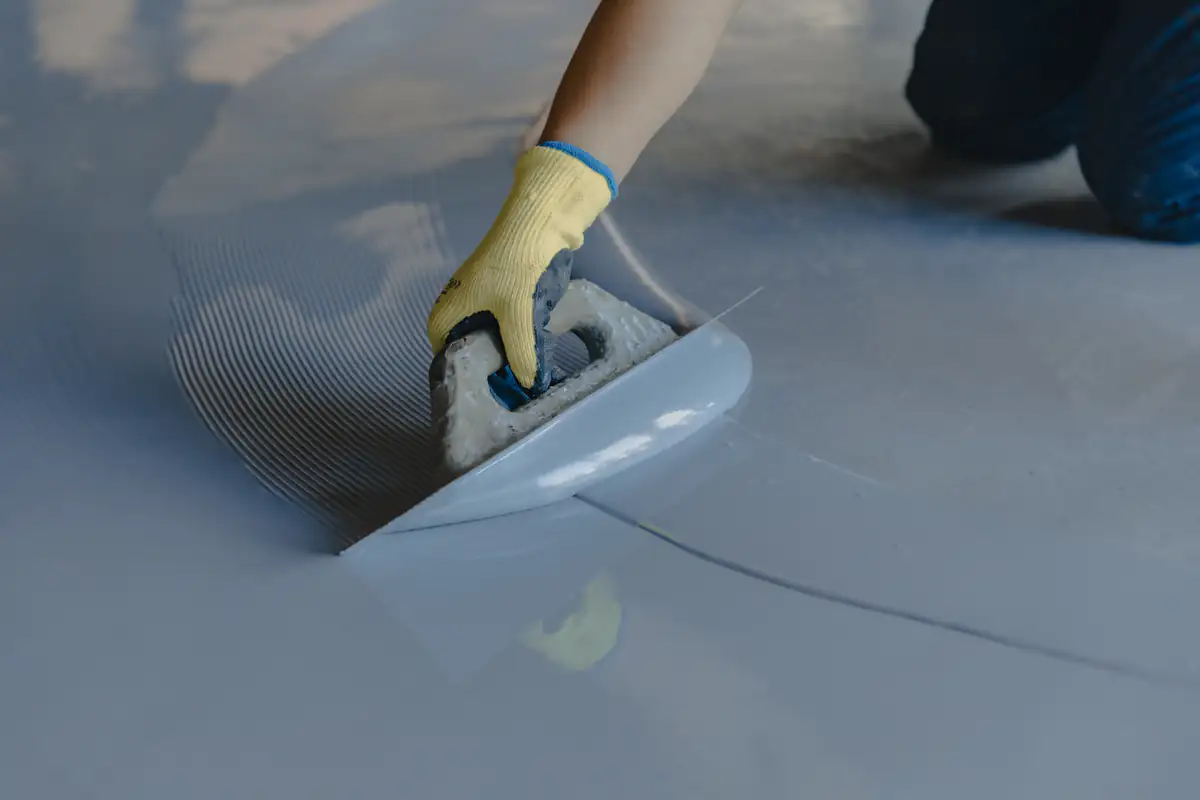
First, we assess your concrete. Moisture levels, existing damage, surface contamination—all of it matters. If there’s an issue, we tell you before we start, not after the floor fails.
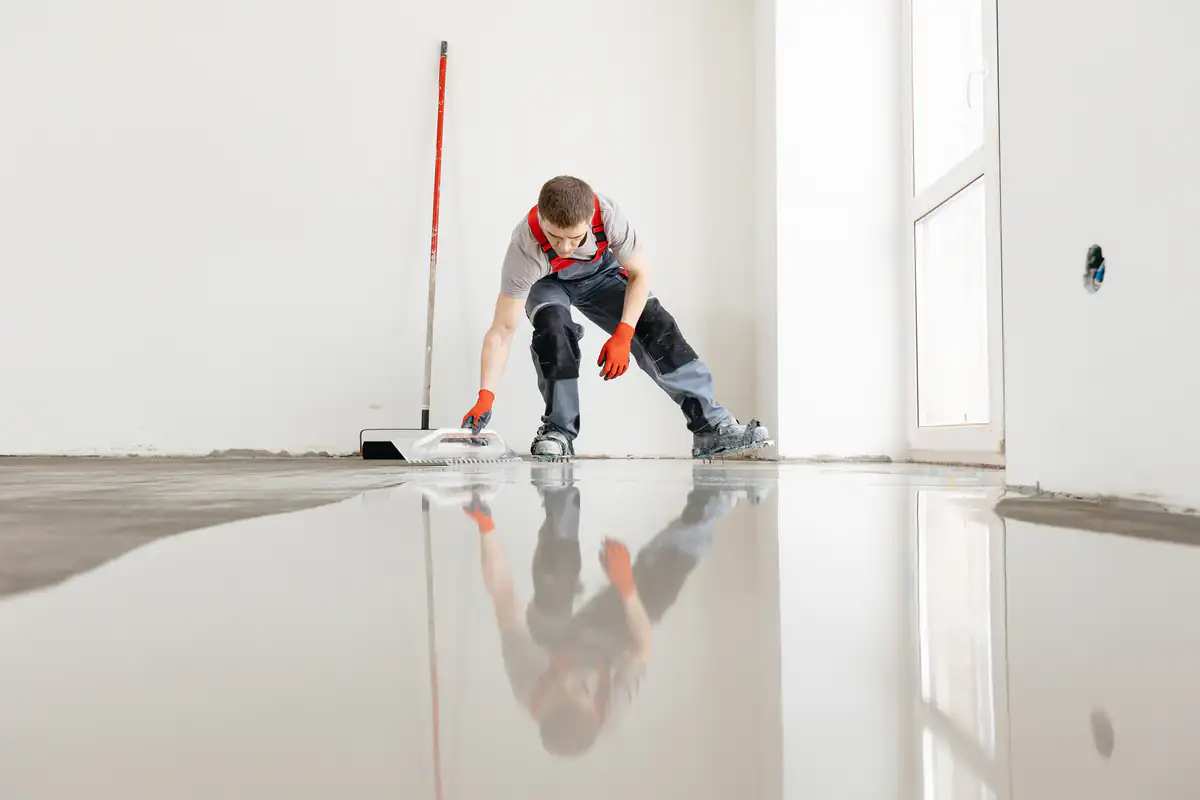
Next, we prep the surface. That means grinding down the concrete to open the pores, repairing cracks, and applying a professional-grade moisture barrier. This step is why most DIY garage floor covering epoxy jobs fail within a year. Moisture gets trapped underneath, and the coating bubbles or peels off in sheets.
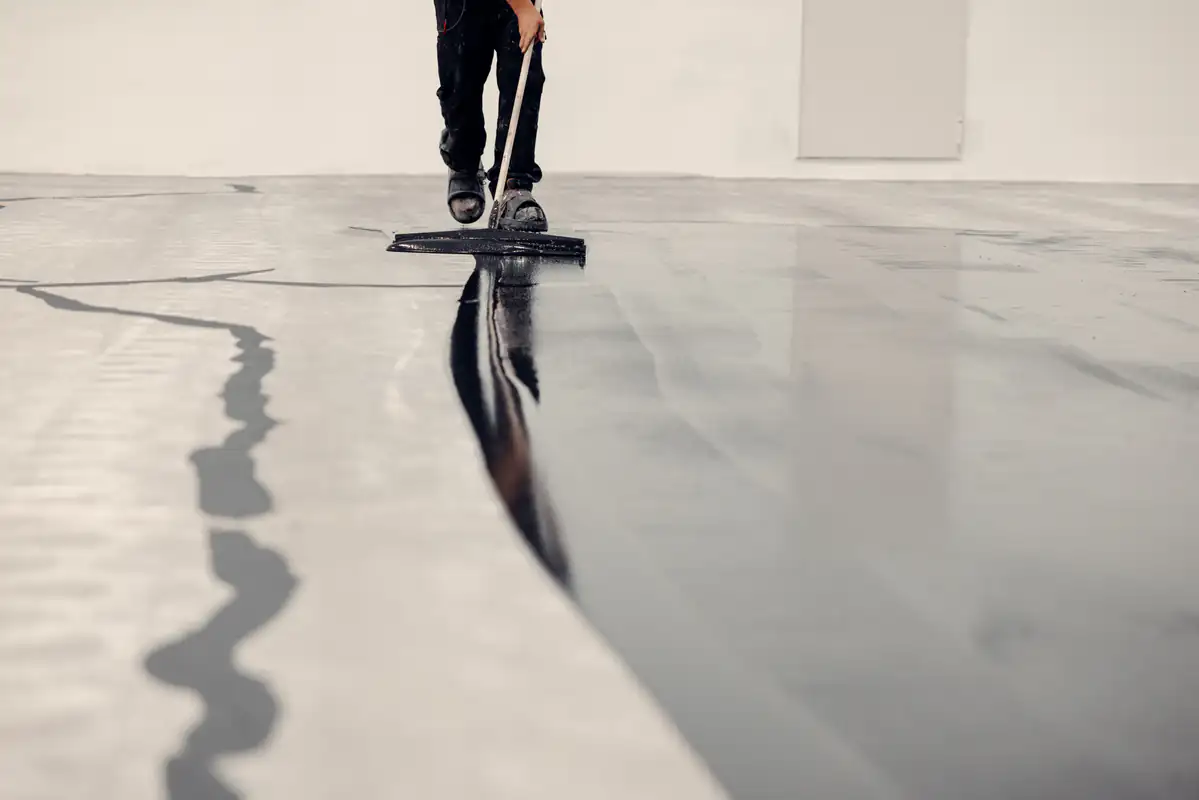
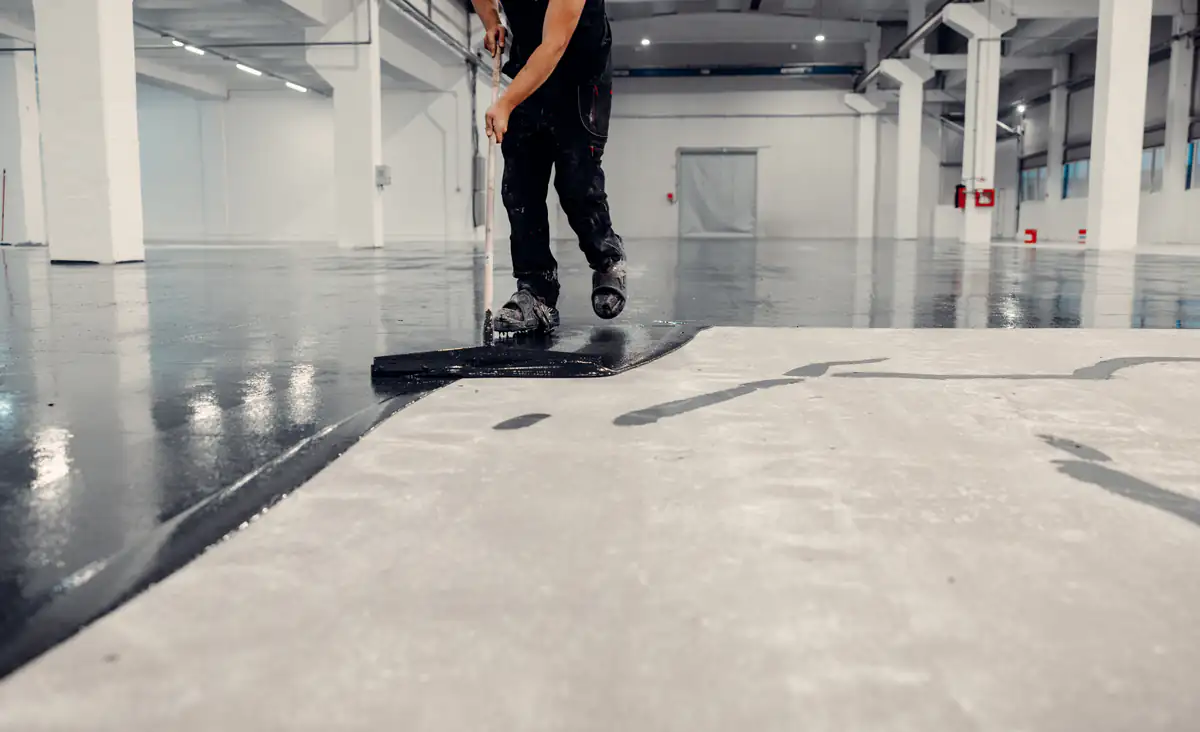
Then we apply the epoxy coating garage floor system. Depending on your needs, that could be industrial-grade epoxy, UV-stable polyaspartic, or a hybrid system. We’re not brushing on a thin layer and calling it done. These are thick, chemical-resistant coatings designed to handle road salt, oil, antifreeze, and the kind of abuse a Connecticut garage sees.
Final coat goes on, and you’re usually looking at a 24-hour cure time before you can walk on it. Full cure takes about a week, but most people are using their garage within a day or two. The whole process—start to finish—takes two to three days for a standard residential garage.
Ready to get started?
Every epoxy flooring installation we do in Canton Valley, CT includes surface prep, moisture vapor barrier, crack repair, and a multi-layer coating system. You’re not paying for paint. You’re paying for a floor that stops moisture transmission, resists chemicals, and holds up under freeze-thaw cycles.
Canton Valley sits in Hartford County, where basements deal with seasonal water tables and garages see heavy exposure to road salt and temperature swings. That’s why we don’t skip the moisture barrier. It’s also why we use UV-stable polyaspartics that won’t yellow or fade, even in spaces with direct sunlight.
For commercial clients—whether you’re running a food processing facility, healthcare space, or manufacturing floor—we install USDA and FDA approved epoxy resin garage floor systems. Seamless, non-porous surfaces that support strict hygiene standards and handle frequent washdowns without breaking down.
Residential or commercial, you’re getting a 15-year warranty. That’s not a “we’ll come look at it” warranty. That’s coverage for delamination, moisture failure, and coating breakdown when the floor is installed and maintained correctly.
If it’s installed correctly, 15 to 20 years. That means proper surface prep, a moisture barrier, and a thick coating system—not the thin stuff you roll on from a box store.
The floors that fail early almost always skip the moisture barrier or don’t grind the concrete properly before coating. Connecticut’s humidity and seasonal water tables will push moisture up through the slab. If there’s no vapor barrier, that moisture gets trapped under the epoxy and causes bubbling or peeling within a year or two.
We install professional-grade systems with moisture barriers on every job. The coating itself is chemical-resistant, UV-stable, and designed to flex with temperature changes instead of cracking. You’re looking at a decade or more of zero maintenance if the floor is installed right from the start.
Yes, but the cracks need to be repaired first. Epoxy flooring isn’t a band-aid. If the concrete underneath is moving or deteriorating, the coating will eventually fail no matter how thick it is.
We assess the slab before we start. Small cracks get filled and sealed. Larger structural issues might need more extensive repair, and we’ll tell you that upfront. If the damage is too severe, epoxy might not be the right solution, and we’re not going to sell you a floor that won’t hold up.
Once the concrete is stable and prepped, the epoxy bonds directly to the surface. That bond is stronger than the concrete itself when done correctly. The result is a seamless, durable surface that stops further cracking and handles Connecticut’s freeze-thaw cycles without breaking apart.
Epoxy is a two-part resin system that chemically bonds to concrete. Garage floor paint is a topical coating that sits on the surface. One lasts 15 years. The other starts peeling within months.
Paint doesn’t penetrate the concrete. It just covers it. When moisture comes up through the slab—which happens constantly in Connecticut—the paint lifts. Add in road salt, oil spills, and tire traffic, and you’re repainting every year or two.
Epoxy resin garage floor coatings bond at a molecular level. They’re also significantly thicker—often five times thicker than paint. That thickness gives you chemical resistance, impact resistance, and the ability to handle heavy loads without chipping or wearing through. If you want a floor that actually lasts, epoxy is the only real option.
You can walk on it in 24 hours. Light use after 48 hours. Full cure—meaning you can park heavy vehicles and not worry about tire marks—takes about a week.
The timeline depends on the coating system and temperature. Polyaspartic coatings cure faster than traditional epoxy, sometimes within 12 hours. But even with standard epoxy flooring in Canton Valley, CT, you’re not waiting weeks to use your garage.
We schedule installations so you’re not stuck without access to your space. Most residential garage floor coating projects finish in two to three days, and you’re back to normal use within 48 hours. Just don’t drag heavy equipment across it or park a hot car on it during that first week while the coating fully hardens.
Yes, but only if you install a moisture vapor barrier first. Without it, the floor will fail. Connecticut basements deal with high water tables and seasonal humidity. That moisture has to go somewhere, and if it can’t escape, it pushes up under the epoxy and causes delamination.
We test moisture levels before installation. If the slab is actively transmitting water vapor, we apply a specialized primer that stops transmission permanently. That’s the difference between a floor that lasts 15 years and one that bubbles within six months.
Epoxy flooring in Canton Valley, CT basements also solves mold and mildew issues. The seamless, non-porous surface doesn’t absorb moisture or support bacterial growth. You’re eliminating the damp, musty smell and creating a clean, usable space that actually stays dry.
For a standard two-car garage, you’re typically looking at $3 to $7 per square foot, depending on the coating system, surface prep, and any repairs needed. A 400-square-foot garage usually runs between $1,200 and $2,800.
That’s for professional installation with surface grinding, moisture barrier, crack repair, and a multi-layer epoxy coating garage floor system. DIY kits cost less upfront, but they don’t include prep work, moisture barriers, or warranties. Most fail within a year or two, and then you’re paying to have the floor stripped and redone anyway.
We give you an exact price after assessing the concrete. If there’s existing damage, high moisture levels, or contamination, that affects cost. But you’ll know what you’re paying before we start, and the price includes everything—prep, materials, labor, and a 15-year warranty.
Other Services we provide in Canton Valley