Your garage becomes the space you actually want to use. Oil stains wipe away with soap and water instead of becoming permanent eyesores.
The floor stays slip-resistant even when wet from snow and salt. You can finally park your car without worrying about hot tire pickup or chemical damage.
Twenty years of protection means you’re done dealing with concrete that cracks, dusts, and looks worse every season. One professional installation, decades of results.
We’ve been transforming Connecticut garages since 2020 with over 30 years of combined experience. We’re locally owned, BBB A+ rated, and focused on one thing: floors that actually last.
We understand Saybrook Manor winters. Salt, moisture, and temperature swings that destroy regular concrete don’t phase our polyaspartic systems.
Every installation includes thorough concrete preparation, moisture mitigation, and professional-grade materials you can’t buy at big box stores. We’re not the cheapest option, and that’s exactly why our floors outlast everyone else’s.
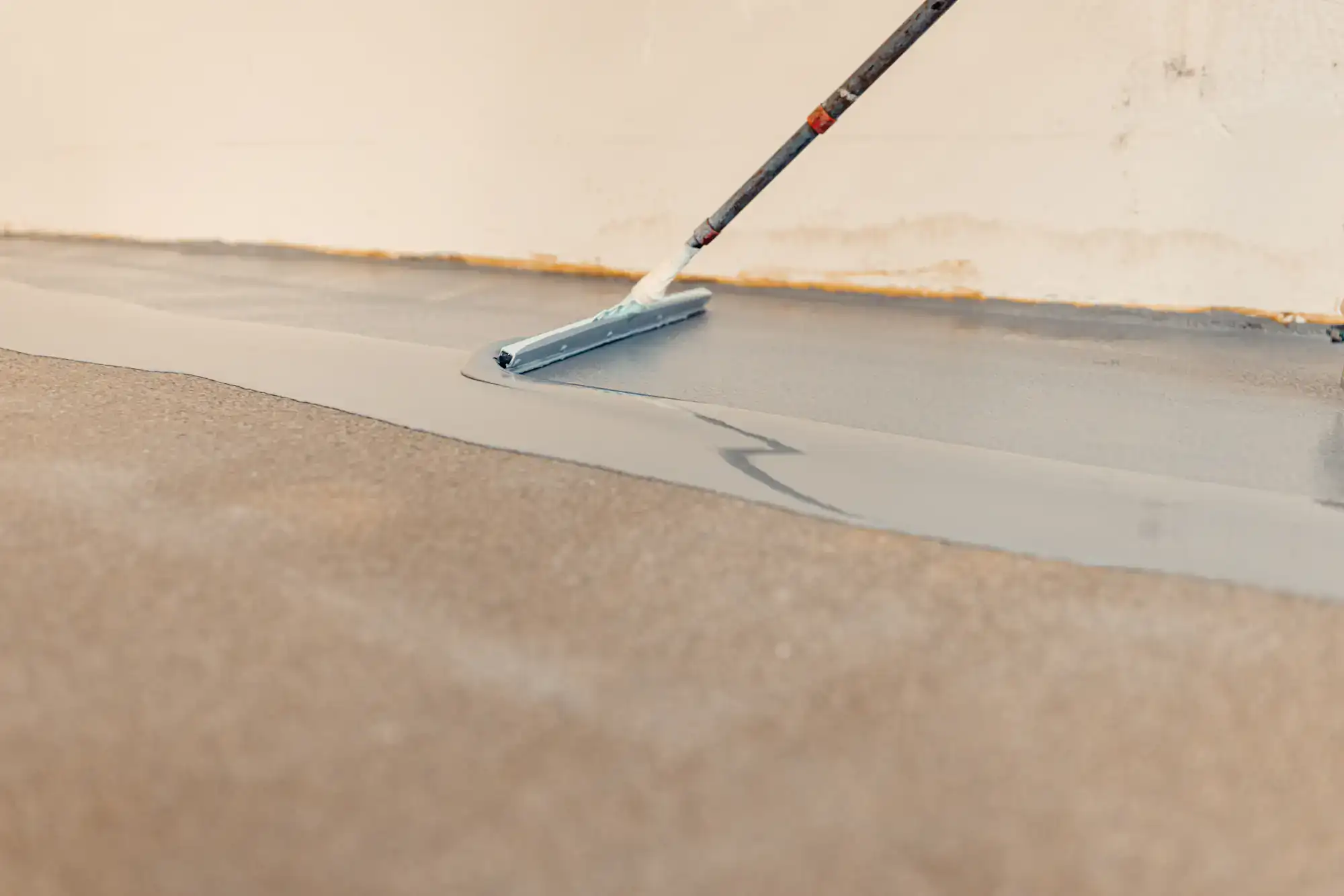
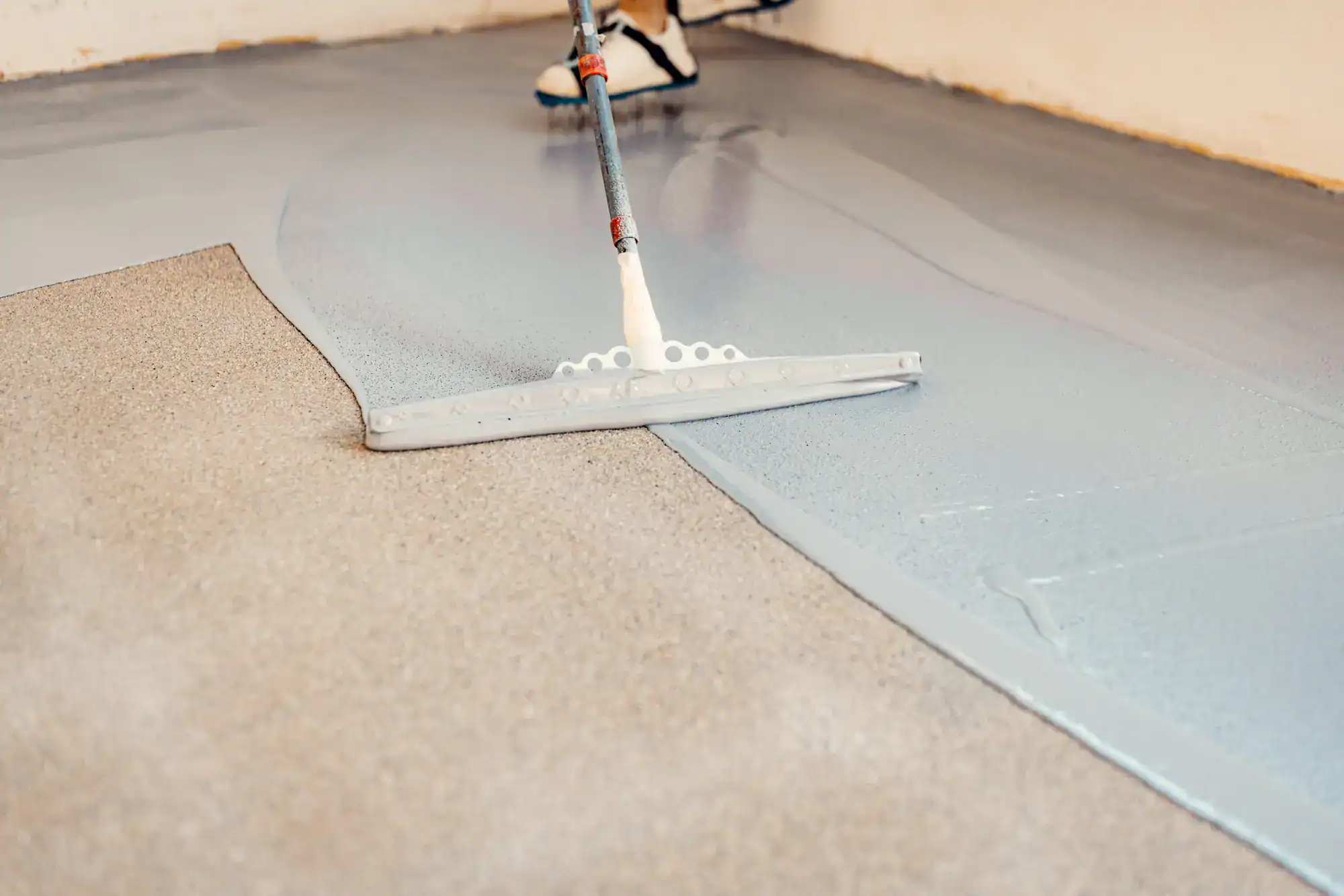
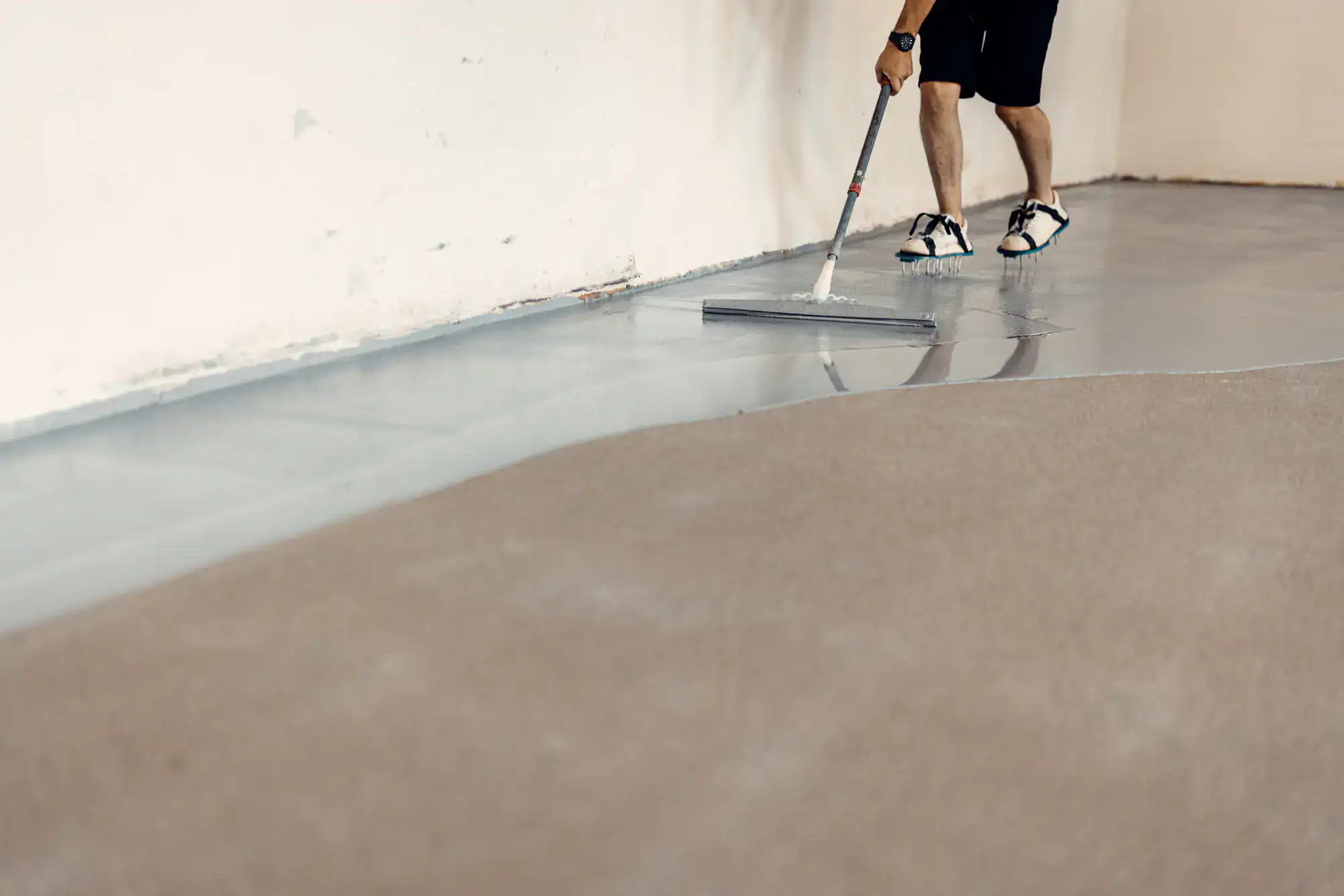
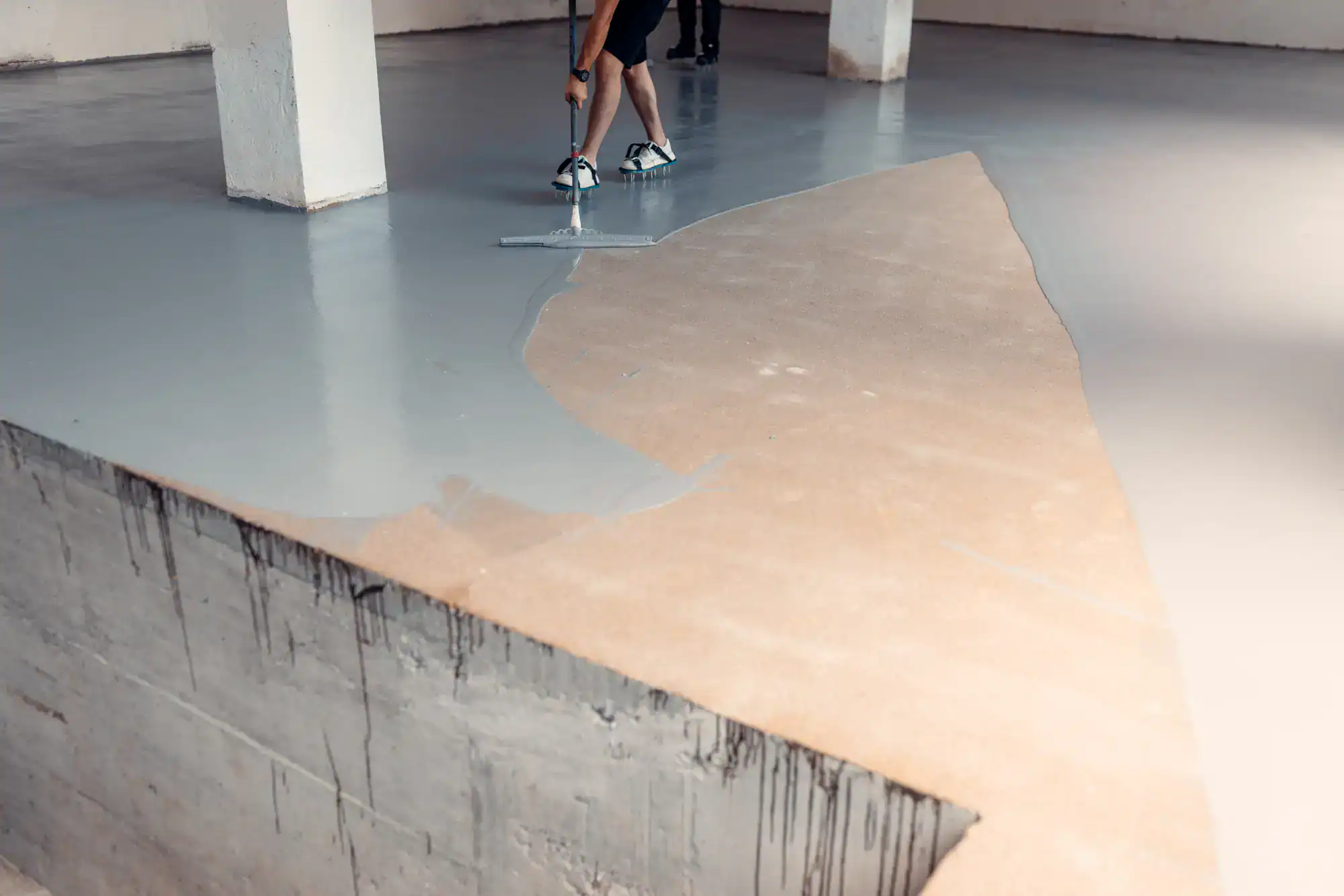
We start with concrete evaluation and surface preparation using professional grinding equipment to create the proper profile for adhesion. Any cracks or damage get repaired before we apply anything.
Next comes the moisture mitigation primer that prevents the peeling you see with DIY kits. Then we apply the base epoxy layer, followed by decorative flakes if you want texture and slip resistance.
The final polyaspartic topcoat provides UV protection and scratch resistance that keeps your floor looking new. Most installations complete in one day, and you can walk on it within 24 hours. Full cure happens in 72 hours, then you’re set for the next two decades.
Ready to get started?
Our epoxy finish garage floor systems handle everything Saybrook Manor throws at them. Winter salt, summer heat, chemical spills, and heavy equipment don’t cause damage like they do to regular concrete.
The polyaspartic topcoat stays flexible through freeze-thaw cycles that crack standard epoxy. UV stability means no yellowing or fading even in south-facing garages with lots of sun exposure.
Connecticut homeowners choose our systems because they work. Chemical resistance handles automotive fluids, cleaning products, and road salt without staining. The seamless surface eliminates the dust and debris that comes from deteriorating concrete, keeping your cars and stored items cleaner.
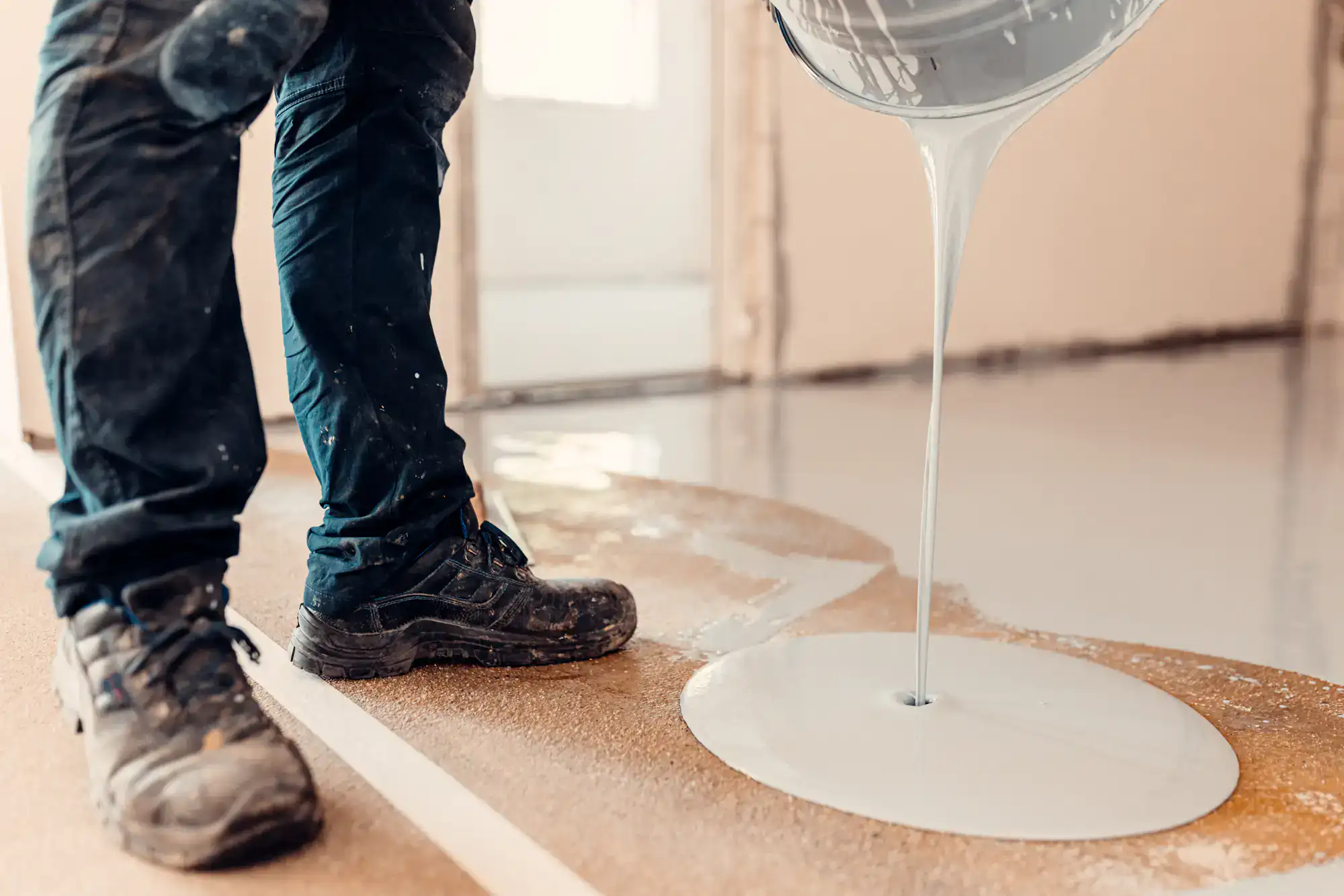
Professional-grade epoxy systems like ours are designed to last 15-20 years in Connecticut conditions. The key difference is using 100% solids epoxy with polyaspartic topcoats instead of water-based DIY products.
Connecticut’s freeze-thaw cycles, road salt, and humidity destroy cheaper coatings within 1-2 years. Our polyaspartic systems stay flexible through temperature changes and resist chemical damage from automotive fluids and winter treatments.
The longevity comes from proper surface preparation, moisture mitigation primers, and commercial-grade materials that aren’t available to homeowners. When installed correctly, you’re looking at decades of performance, not years.
Yes, but only with the right system. Our polyaspartic topcoats have superior heat tolerance compared to standard epoxy, preventing the “hot tire pickup” that leaves permanent marks on cheaper floors.
We use multiple coat systems with proper thickness to handle vehicle weight and thermal cycling. The base epoxy provides adhesion and impact resistance, while the polyaspartic topcoat handles heat and UV exposure.
DIY kits from big box stores often fail with hot tires because they’re too thin and use water-based formulations. Professional systems like ours are engineered specifically for automotive applications, including race cars with sticky tires that generate extreme heat.
Professional systems use 100% solids epoxy and polyaspartic coatings that aren’t available to consumers. DIY kits are typically 50% or more water-based to extend working time for inexperienced installers.
The surface preparation is completely different. We use professional grinding equipment to create the proper concrete profile for adhesion. DIY kits rely on acid etching that doesn’t remove concrete sealers or create adequate surface texture.
Professional installations include moisture mitigation primers, multiple coating layers, and proper cure times. DIY applications often fail within 1-2 years due to inadequate prep work, thin coatings, and inferior materials. The initial cost difference pays for itself in longevity.
Proper preparation starts with moisture evaluation and concrete profile assessment. We use diamond grinding equipment to open the concrete surface and remove any existing sealers or contaminants that prevent adhesion.
Cracks and spalls get repaired with appropriate fillers before coating application. The concrete surface needs specific roughness (CSP 2-3) for mechanical bonding – something you can’t achieve with acid etching alone.
We also apply moisture mitigation primers when needed to prevent coating failure from vapor transmission. This step is critical in Connecticut where concrete moisture levels vary seasonally. Skipping proper preparation is why most DIY jobs fail within two years.
Not with our flake broadcast systems. The decorative vinyl flakes create texture that provides excellent slip resistance even when wet from snow, rain, or washing your car.
Smooth epoxy or metallic finishes can be slippery when wet, which is why we recommend textured systems for garage applications. The flakes are embedded in the base coat and sealed with the polyaspartic topcoat for durability.
Connecticut garages deal with moisture from weather, car washing, and seasonal conditions. Our textured systems maintain traction while still being easy to clean. You get safety and functionality without sacrificing the professional appearance you want.
Professional epoxy systems typically range from $4,000-$5,500 for a standard two-car garage in Connecticut. The investment reflects commercial-grade materials, proper surface preparation, and professional installation that lasts 15-20 years.
Factors affecting cost include garage size, concrete condition, system complexity, and decorative options. Repairs to damaged concrete, moisture mitigation, and custom colors add to the base price.
While DIY kits cost $200-500, they typically fail within 1-2 years and require complete removal for professional installation. The total cost of multiple DIY attempts plus eventual professional installation exceeds the initial investment in quality work. Professional systems pay for themselves through longevity and performance.
Local Resources
Other Services we provide in Saybrook Manor