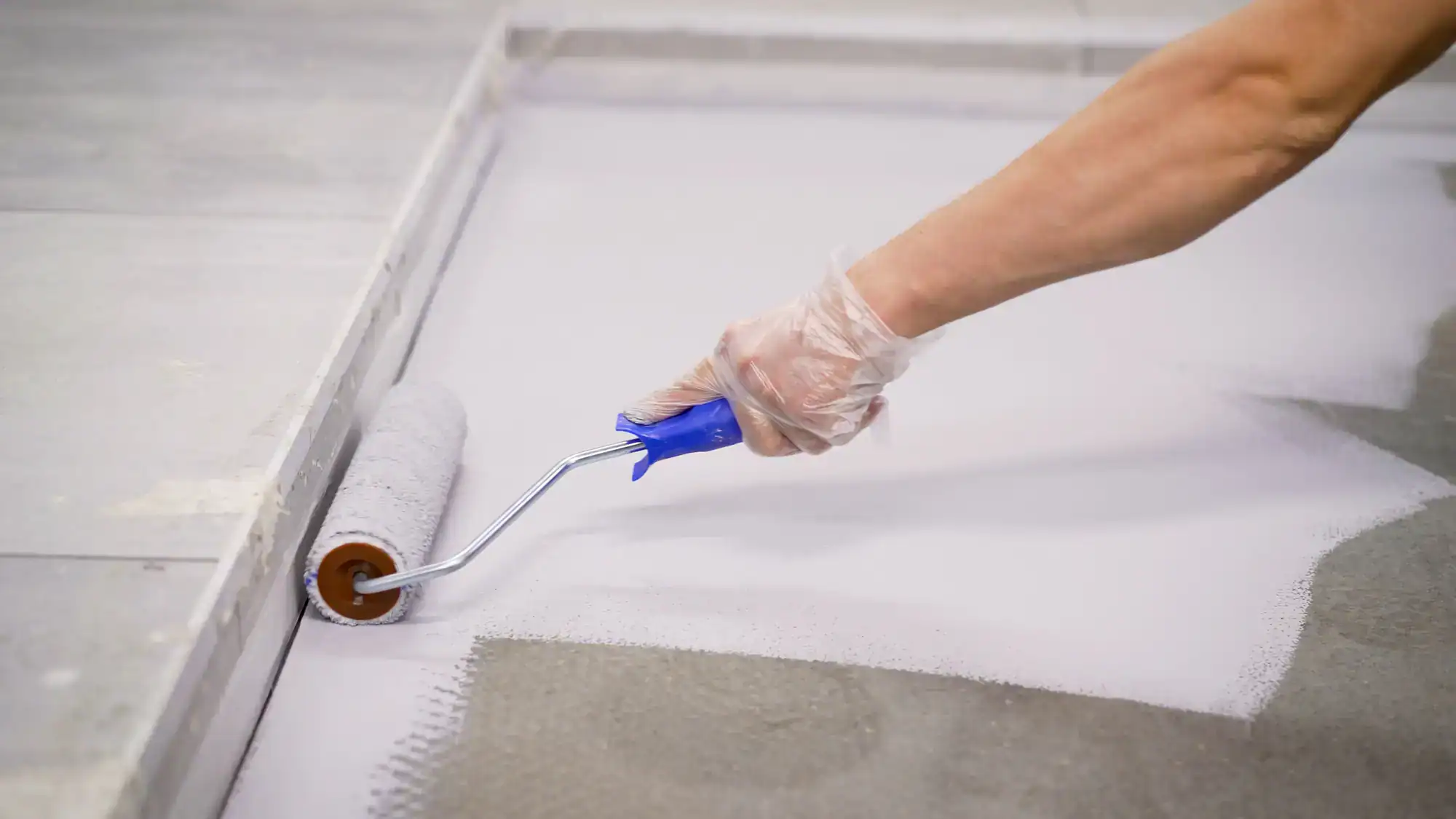
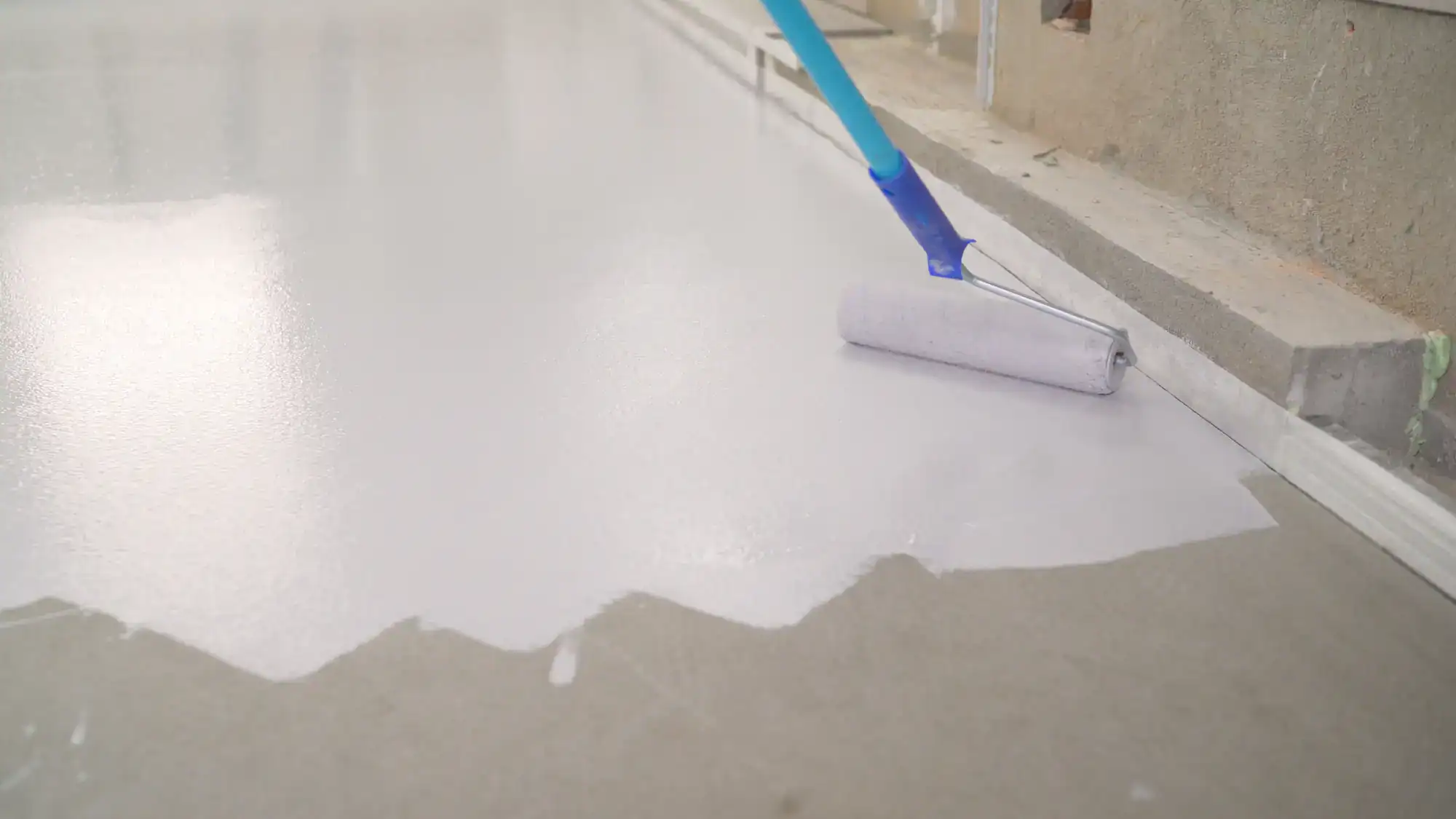
No more oil stains seeping into concrete. No more concrete dust coating your car or tools. No more embarrassing floors that don’t match your home’s quality.
Your new garage floor handles everything you throw at it. Hot tires, dropped tools, spilled fluids, winter salt—none of it leaves a mark. The high-gloss finish brightens your entire space and makes cleaning effortless.
You’ll actually want to park in your garage again. More importantly, you’ll stop worrying about what your garage floor is doing to your vehicles and stored belongings.
We’ve been transforming Connecticut garages with professional-grade coatings that actually last. We’re veteran-owned, which means we show up when we say we will and finish what we start.
We’ve seen every type of concrete problem Westbrook Center homeowners face. The salt damage from coastal winters. The moisture issues from Connecticut’s humidity. The oil stains from decades of parking.
That’s exactly why we use polyaspartic and polyurea systems instead of basic paint. Your garage floor needs to handle Connecticut weather and daily use—not just look good for a few months.
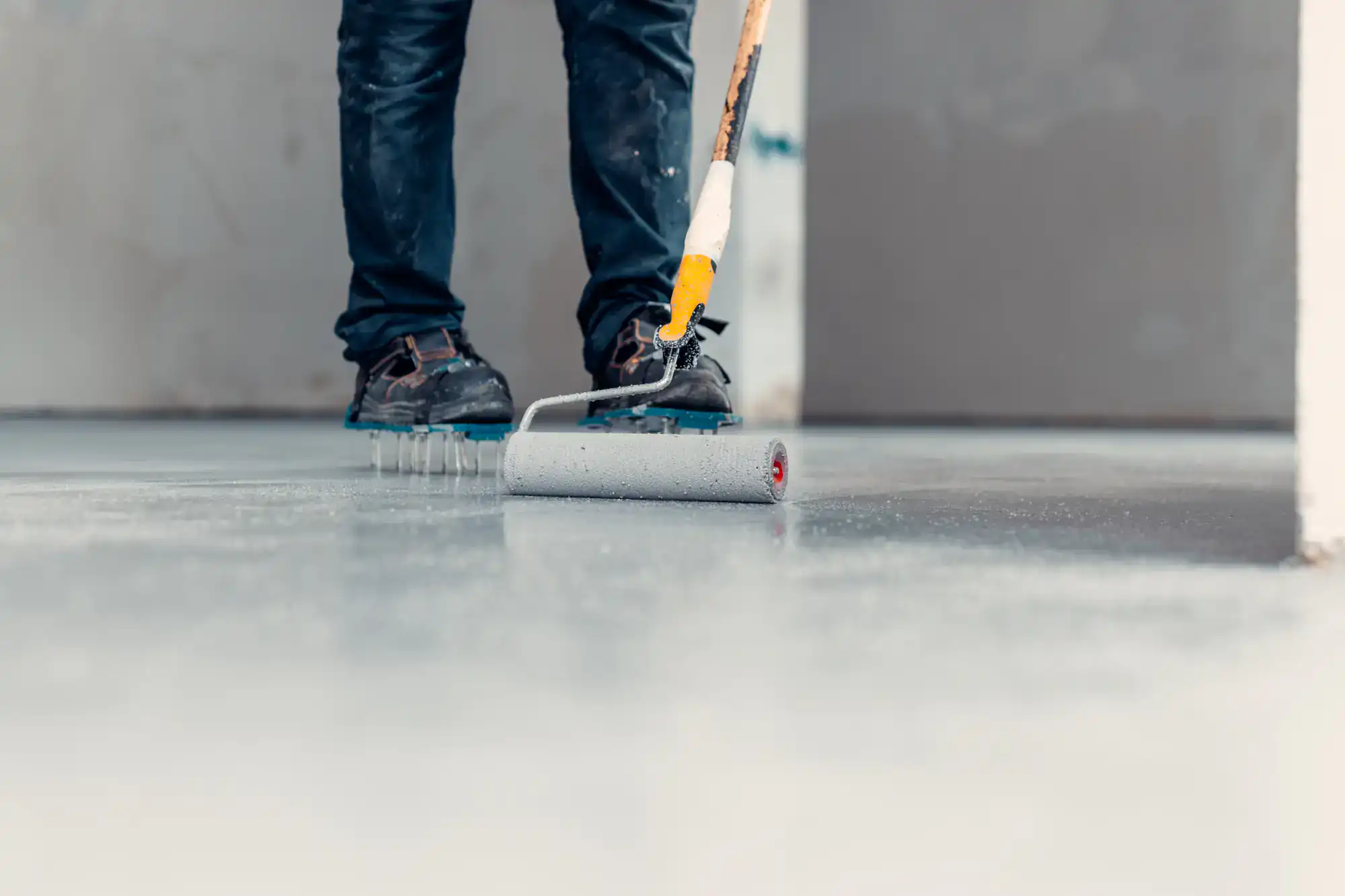
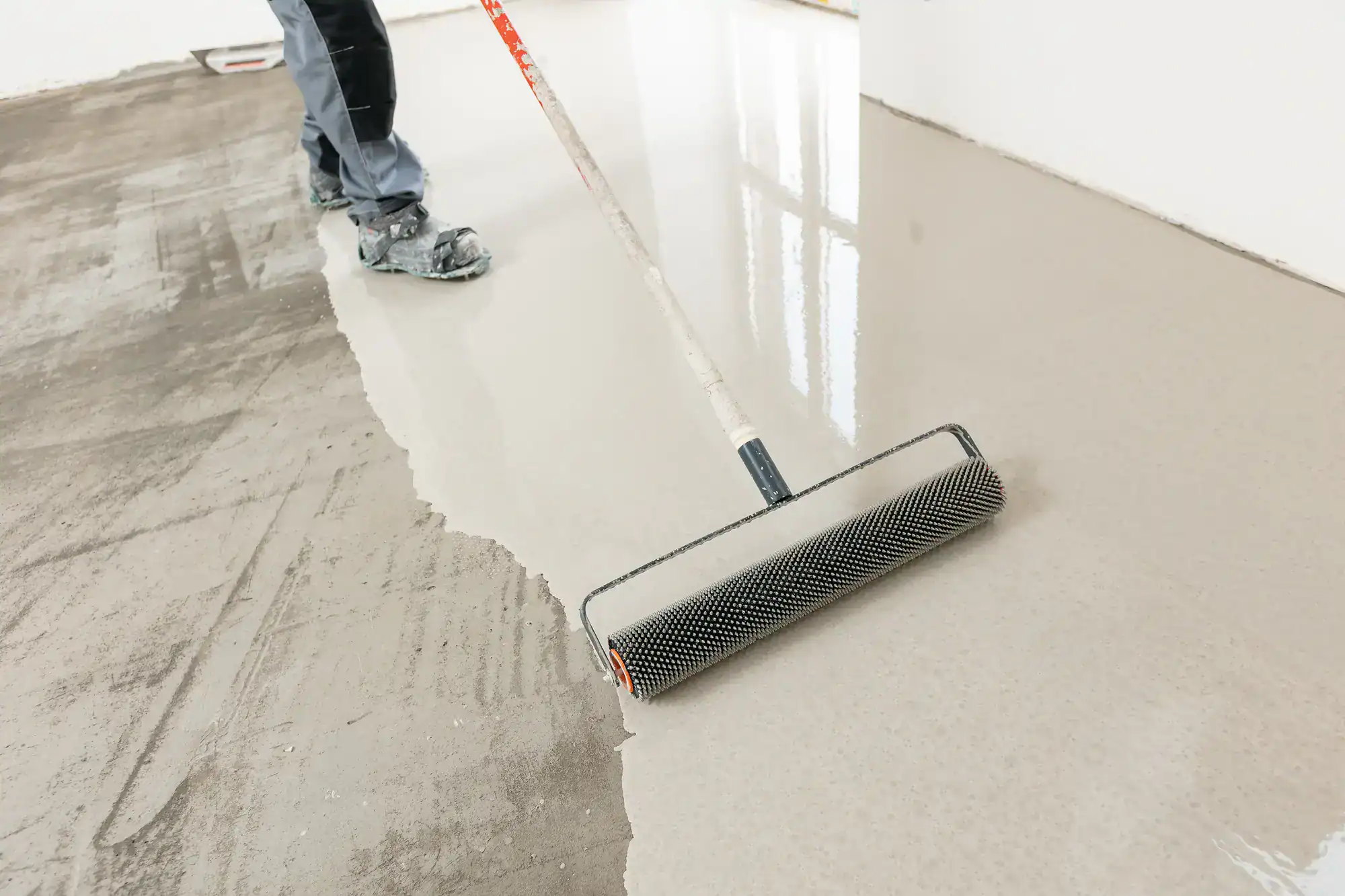
We start with a moisture evaluation because Connecticut basements and garages have unique challenges. Then we grind your concrete to create the surface profile that ensures permanent adhesion—no shortcuts.
Next comes crack and spall repair using industrial-grade materials. We select your primer and build coats based on your specific traffic patterns and temperature conditions, not a one-size-fits-all approach.
Your decorative chips and colors get reviewed against your budget upfront. No surprises, no pressure. We sequence the work to minimize your downtime and give you precise return-to-service windows from day one. Most installations complete in a single day with next-day vehicle access.
Ready to get started?
Your garage floor coating includes moisture-cure primer, high-build epoxy base, decorative chip broadcast, and polyaspartic topcoat. This isn’t paint—it’s a complete flooring system designed for Connecticut’s freeze-thaw cycles.
Westbrook Center’s coastal location means salt exposure and humidity challenges that basic garage floor paint can’t handle. Our polyaspartic topcoats cure in any weather and provide UV stability that prevents yellowing and chalking.
You get chemical resistance against automotive fluids, road salt, and cleaning products. The slip-resistant finish keeps you safe during wet conditions, and the seamless surface eliminates places for bacteria and odors to hide. Every system comes with clear maintenance guidelines and realistic performance expectations.
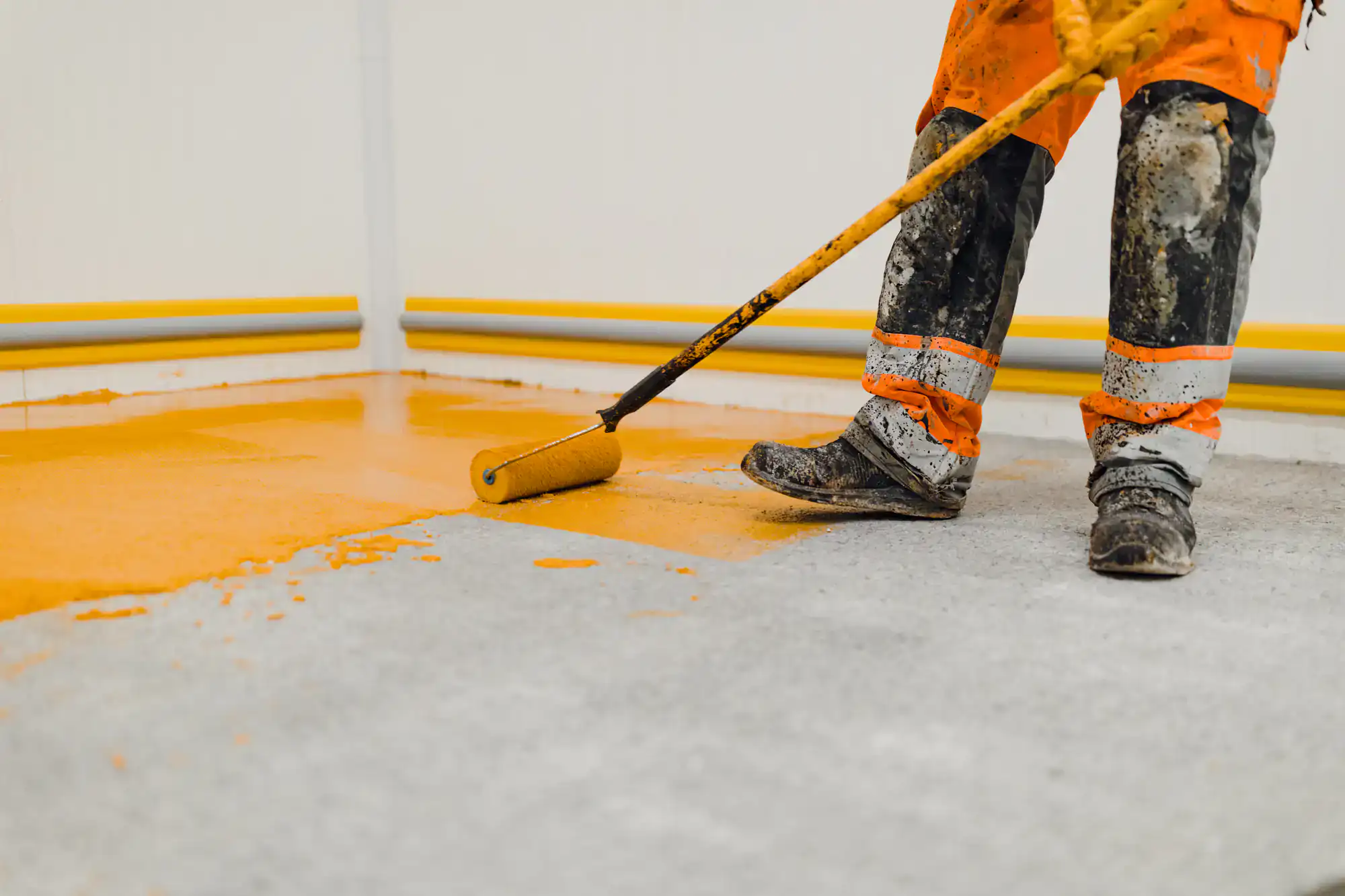
Most garage floor painting projects in Westbrook Center, CT complete in one day. We arrive early morning, complete surface preparation, apply your coating system, and typically finish by late afternoon.
You can walk on your floor the same evening and return vehicles the next day. The exact timeline depends on your garage size and the coating system you choose, but we provide precise scheduling upfront.
Weather doesn’t affect our polyaspartic systems like it does traditional epoxy, so we rarely have delays due to Connecticut’s unpredictable conditions.
Garage floor paint is a thin coating that sits on top of concrete and typically fails within 1-2 years from hot tire pickup and normal wear. Professional coatings penetrate and bond with your concrete to create a permanent surface.
Our polyaspartic and polyurea systems are 4-6 times thicker than paint and chemically engineered to handle thermal shock, impact, and chemical exposure. Paint chips and peels—professional coatings don’t.
You’ll pay more upfront for professional coating, but you’ll never need to redo your floor. Paint requires reapplication every few years, making professional coating the better long-term investment.
Our coating systems are specifically designed for Connecticut’s challenging climate. We use moisture-cure primers that work even in high humidity, and our topcoats handle freeze-thaw cycles without cracking or delaminating.
Salt exposure from winter road treatments won’t affect properly applied professional coatings. The chemical resistance built into our systems handles automotive fluids, ice melt products, and cleaning chemicals without staining or etching.
Connecticut’s temperature swings from summer heat to winter cold don’t cause the thermal expansion problems you see with basic paint systems. Professional coatings flex with your concrete instead of cracking.
Maintenance is simple: sweep regularly and mop occasionally with mild detergent. The seamless, non-porous surface doesn’t trap dirt, oil, or odors like bare concrete does.
For spills, wipe them up when convenient—the coating won’t stain or absorb fluids. Use a soft-bristled broom or microfiber mop to avoid scratching, though the surface is highly scratch-resistant.
Avoid harsh chemicals like muriatic acid or aggressive degreasers. Regular cleaning products work fine, and you’ll be amazed how little maintenance your floor actually needs compared to bare concrete.
We start with moisture testing because Connecticut garages often have humidity issues that affect coating adhesion. Then we grind your concrete using professional diamond equipment to create the proper surface profile.
This grinding process removes surface contaminants, opens the concrete pores, and ensures permanent bonding. It creates dust, but we use industrial vacuum systems to contain it. We also protect your belongings and adjacent areas.
Crack repair happens next using structural repair compounds, not basic caulk. The entire preparation process is crucial—it’s what separates professional results from DIY failures that peel within months.
Garage floor coating costs vary based on your floor size, condition, and the coating system you choose. Most Westbrook Center homeowners invest between $3-8 per square foot for professional installation.
This includes surface preparation, materials, labor, and cleanup. We provide detailed written estimates that break down every cost—no hidden fees or surprise charges after we start.
Consider the long-term value: professional coating lasts 15-20 years versus repainting every 2-3 years. When you factor in your time, materials, and the superior performance, professional coating delivers better value than repeated DIY attempts.
Local Resources
Other Services we provide in Westbrook Center