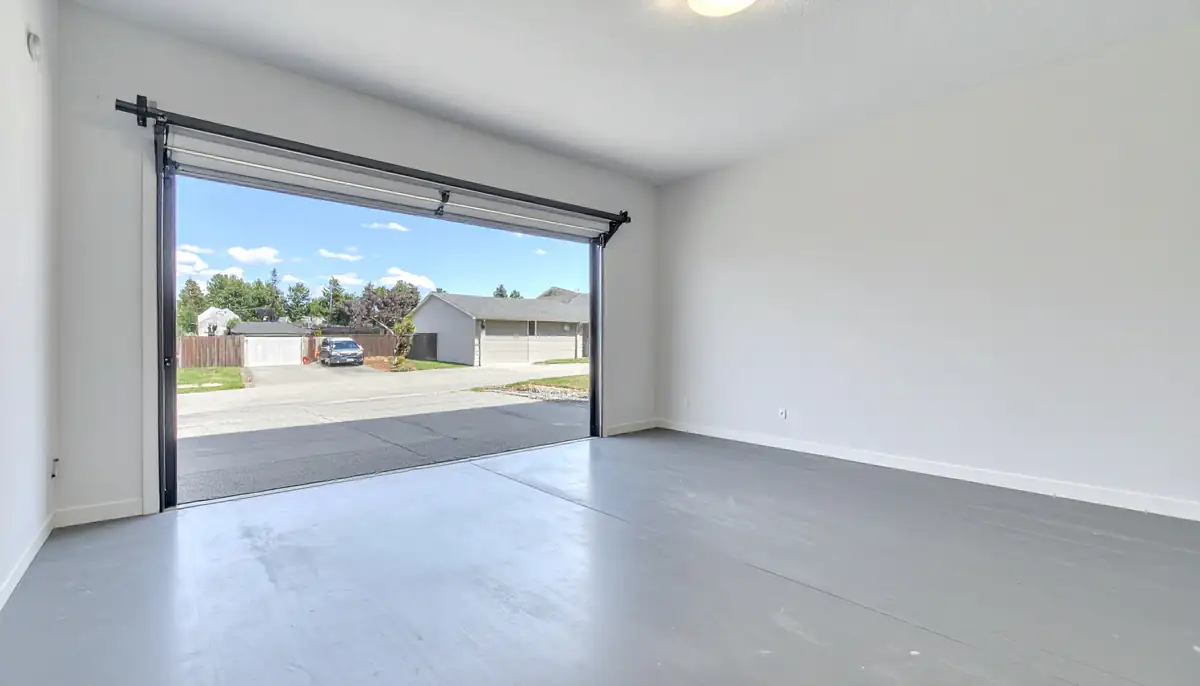
Your garage floor is porous. Every time you park, walk, or drag something across it, fine concrete dust kicks up and gets tracked inside. Oil stains sink in and won’t scrub out. Road salt from your car creates a corrosive brine that eats away at the surface all winter long.
Epoxy flooring in Storrs, CT seals that concrete completely. No more dust coating your tools, your car, or your mudroom floor. Spills wipe up in seconds instead of staining permanently. And when snow melts off your vehicle in February, the water and salt just sit on top until you squeegee it out.
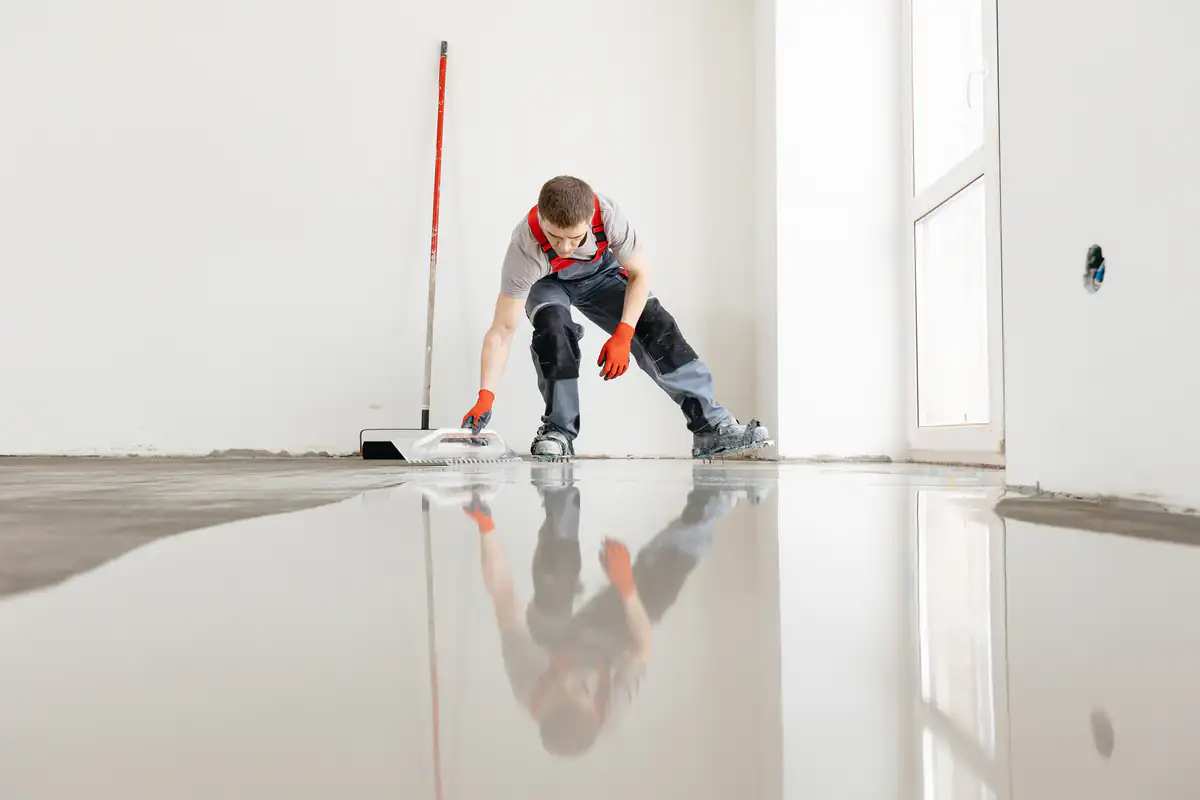
Most residential epoxy coating garage floor projects take two to three days. You’re not dealing with weeks of disruption or waiting for multiple coats to cure in humid Connecticut summers. The floor is sealed, protected, and ready to handle whatever you throw at it—including the next fifteen winters, which is exactly how long the warranty covers.
We’ve been installing epoxy resin garage floors and industrial coatings across Connecticut since 2020. We’re licensed, insured, and locally operated out of East Hartford—which means we’ve seen what humidity does to basement floors in July and what freeze-thaw cycles do to garage slabs in January.
Our owners have over thirty years of combined business experience. They started this company because too many homeowners in Storrs, CT were getting sold basic epoxy products that couldn’t handle moisture vapor or temperature swings. We use specialized primers that stop water transmission permanently and polyaspartic topcoats that stay flexible when temperatures drop.
Every project comes with a fifteen-year warranty. Not a “limited” warranty with fine print—a real one that covers the installation and the materials because we’re using industrial-grade systems, not retail kits.
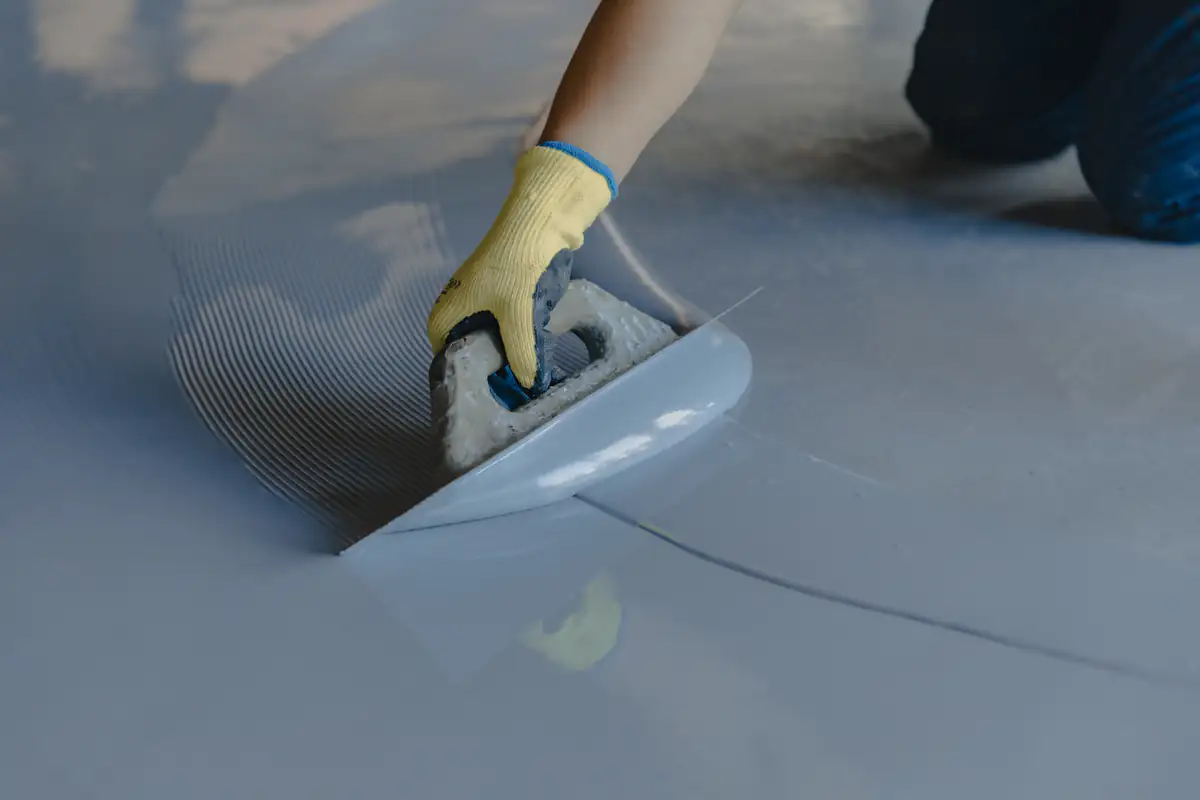
We start by grinding the concrete. This isn’t optional—it opens up the pores so the epoxy bonds at a molecular level instead of just sitting on top. If there’s old paint, sealer, or a failed DIY coating, we remove it completely.
Next, we apply a moisture-blocking primer. Connecticut basements and garages deal with hydrostatic pressure and vapor transmission year-round. If you skip this step, the coating will eventually delaminate. Our primers stop moisture from pushing up through the slab, which is why the floor stays intact through summer humidity and winter freeze-thaw cycles.
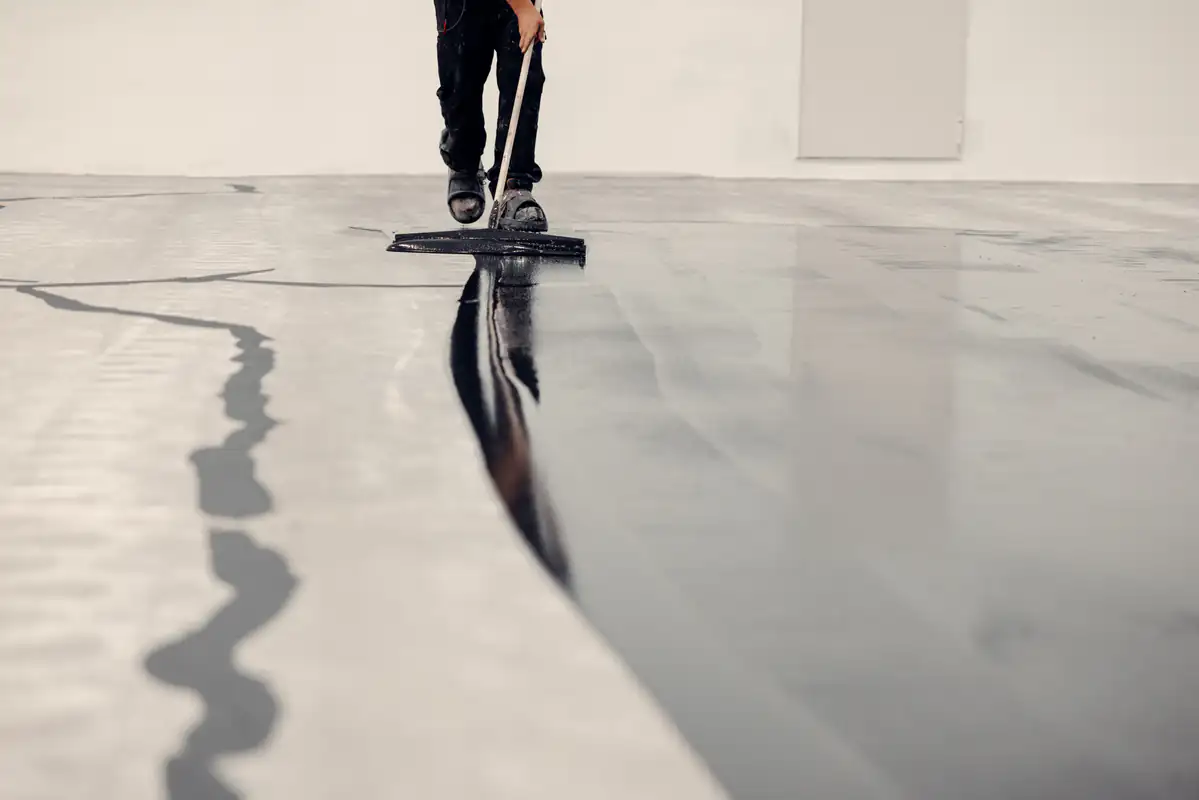
Then comes the base coat—industrial epoxy or polyaspartic depending on your space and timeline. We broadcast color flakes into the wet coating if you want texture and visual depth. Once that cures, we apply a clear topcoat that’s UV-stable and chemical-resistant.
The whole process takes two to three days for most residential garage floor covering epoxy projects. You’ll need to keep vehicles off the floor during that time, but once it’s cured, it’s ready for anything—salt, oil, antifreeze, dropped tools, whatever.
Ready to get started?
Every epoxy flooring installation in Storrs, CT includes surface prep, moisture mitigation, base coating, optional color flakes, and a UV-stable topcoat. We’re not skipping steps to hit a price point. The floor gets ground, primed, coated, and sealed—properly.
You can choose from solid colors, custom blends, or metallic finishes depending on whether this is a garage, basement, showroom, or commercial space. Metallic epoxy has become popular in Storrs because it adds visual interest without looking overdone. The pigments create a dynamic, fluid look that changes slightly depending on the angle and lighting.
For commercial and industrial clients, we also install USDA and FDA approved systems. If you’re running a brewery, restaurant, pharmaceutical facility, or food processing operation in Storrs, CT, your floors need to meet strict regulatory standards. Our coatings are seamless, non-porous, and resistant to frequent washdowns, chemicals, and temperature extremes.
Residential projects come with a fifteen-year warranty. Commercial and industrial installations are warrantied based on the specific system and application, but we stand behind every floor we install. If something fails because of our work or materials, we’ll make it right.
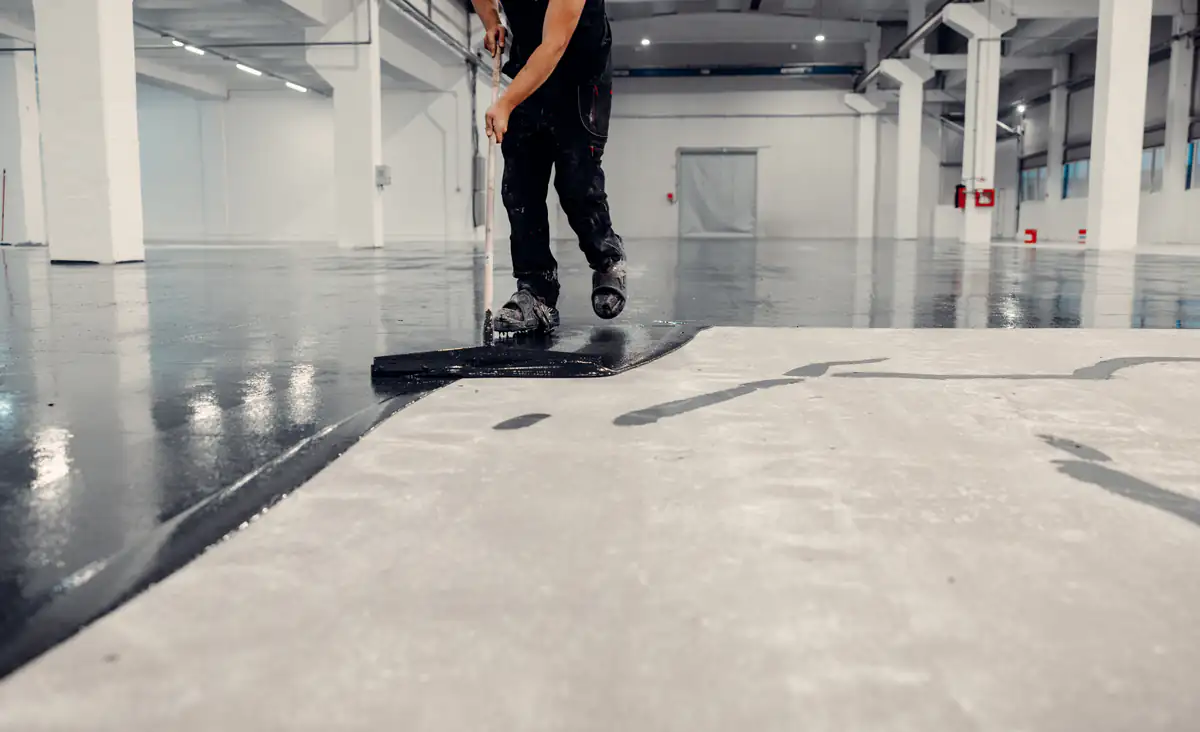
Professionally installed epoxy flooring in Storrs, CT lasts fifteen years or more when it’s done right. The key is using a system designed for freeze-thaw cycles, not just basic epoxy.
Connecticut winters are brutal on concrete. When snow melts off your car, that water mixes with road salt and seeps into any crack or porous surface it can find. If the coating isn’t flexible or properly bonded, it’ll start delaminating within a few years. We use polyaspartic topcoats and moisture-blocking primers specifically because they handle temperature swings and hydrostatic pressure without failing.
DIY kits you buy at the hardware store might last two to three years if you’re lucky. They’re not designed for commercial-grade durability, and they don’t include the prep work or moisture mitigation that actually makes the floor last. Our installations come with a fifteen-year warranty because we’re using industrial materials and doing the surface prep that ensures a molecular bond.
Yes, but only if we address the moisture first. Most basements in Storrs, CT have some level of hydrostatic pressure or vapor transmission, especially during summer months when humidity spikes.
We use specialized primers that stop water vapor from pushing up through the concrete. If we skip that step and just coat the floor, the moisture will eventually cause the epoxy to bubble, peel, or delaminate. It’s not a matter of if—it’s when. The primer creates a permanent barrier that lets us install a seamless, waterproof epoxy resin garage floor even in spaces that used to feel damp or smell musty.
If your basement has active water intrusion—like puddles forming after heavy rain—that’s a different issue. We’ll need to address drainage or foundation problems before we coat the floor. But for normal basement moisture, our system handles it without any long-term issues.
Epoxy is the base layer—it’s thick, durable, and bonds incredibly well to concrete. Polyaspartic is the topcoat—it cures faster, stays flexible in cold temperatures, and resists UV yellowing better than epoxy alone.
Most garage floor coating projects in Storrs, CT use both. We apply an epoxy base for strength and adhesion, then seal it with a polyaspartic topcoat for chemical resistance and flexibility. That combination gives you a floor that can handle road salt, oil, antifreeze, and temperature swings without cracking or discoloring.
Polyaspartic also cures much faster than epoxy, which means shorter project timelines. Some systems are ready for light traffic within 24 hours. But the real advantage in Connecticut is how it performs in winter. Epoxy alone can become brittle when temperatures drop. Polyaspartic stays flexible, which is why it holds up better through freeze-thaw cycles.
We grind the entire surface with industrial equipment. This removes any existing coatings, opens up the concrete pores, and creates the profile needed for a proper bond.
If your garage floor has old paint, sealer, or a failed DIY epoxy job, grinding takes it down to raw concrete. We’re not just scuffing the surface with sandpaper—we’re using diamond grinding heads that cut into the slab and expose fresh material. That’s what allows the new epoxy coating garage floor to bond at a molecular level instead of just sitting on top.
After grinding, we fill any cracks or divots, then vacuum up all the dust and debris. The surface needs to be completely clean and dry before we apply the moisture-blocking primer. If there’s contamination—oil, grease, efflorescence—the coating won’t adhere properly. Prep work takes up about half the project timeline, but it’s the difference between a floor that lasts fifteen years and one that starts peeling after two.
Not if we use UV-stable polyaspartic topcoats, which we do on every installation. Basic epoxy will yellow when exposed to sunlight, but polyaspartic is formulated to resist UV degradation.
If your garage has windows or gets direct sunlight, a standard epoxy topcoat will start to amber within a year or two. It’s still functional, but it doesn’t look great—especially if you chose a light color or white base. Polyaspartic stays clear and doesn’t shift color even after years of sun exposure.
We also use high-grade pigments in the base coat that won’t fade under UV light. Metallic finishes and custom color blends hold their appearance because we’re not cutting corners with cheaper materials. The floor you see on day one is the floor you’ll have a decade later, assuming normal use and maintenance.
Most epoxy flooring systems in Storrs, CT are ready for vehicle traffic within 48 to 72 hours, depending on temperature and humidity. Polyaspartic coatings cure faster—sometimes within 24 hours—but we typically recommend waiting two full days to be safe.
Foot traffic is usually fine after 12 to 18 hours. You can walk on the floor to access storage or move light items without damaging the coating. But vehicles are heavier and generate more stress, especially when you’re turning the wheel on a stationary tire. Letting the coating fully cure prevents any scuffing or imprinting during those first few days.
If you need a faster turnaround, let us know during the estimate. We can adjust the system or schedule the work so you’re not blocked out of your garage for longer than necessary. But rushing the cure time just to park a car a few hours earlier isn’t worth risking the bond or finish quality.
Other Services we provide in Storrs