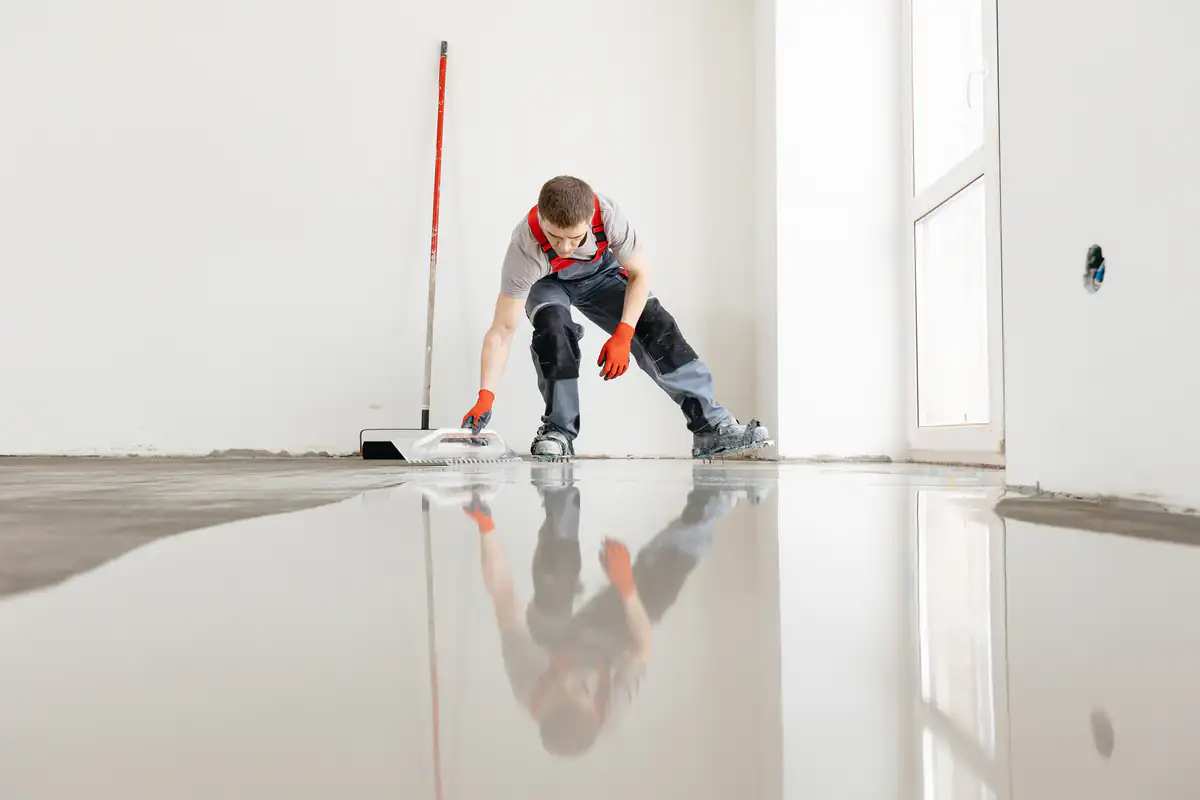
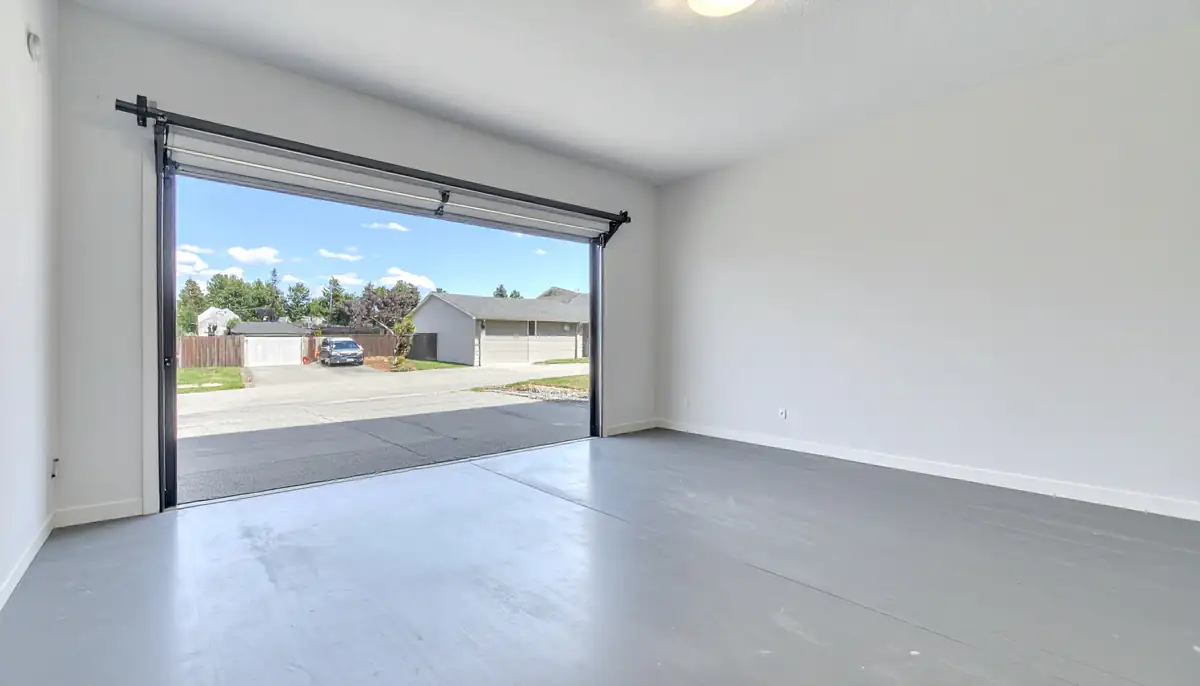
Your garage stops being a maintenance problem. No more concrete dust coating your car or tracking through the house on your shoes. Oil spills wipe up in seconds instead of soaking into porous concrete and leaving permanent stains.
The floor handles road salt, temperature swings, and moisture without peeling or bubbling. You’re not recoating it in two years like those DIY kits. You’re done thinking about it.
Most projects wrap in 2-3 days. You park on it by the weekend. And it comes with a 15-year warranty that actually means something because the installation was done right the first time.
We’ve been installing epoxy resin garage floors across New Britain, CT since 2020. Our owners bring over 30 years of business experience and understand exactly what Connecticut weather does to concrete.
We’re licensed, insured, and focused on getting it right. That means proper surface prep, moisture barriers when needed, and industrial-grade materials that don’t yellow or fade under UV exposure. We’ve completed thousands of projects across residential, commercial, and industrial spaces throughout Hartford County.
You’re working with people who’ve seen every failure mode and know how to prevent them. New Britain homeowners deal with freeze-thaw cycles, basement moisture, and concrete that deteriorates faster than it should. We solve those problems daily.
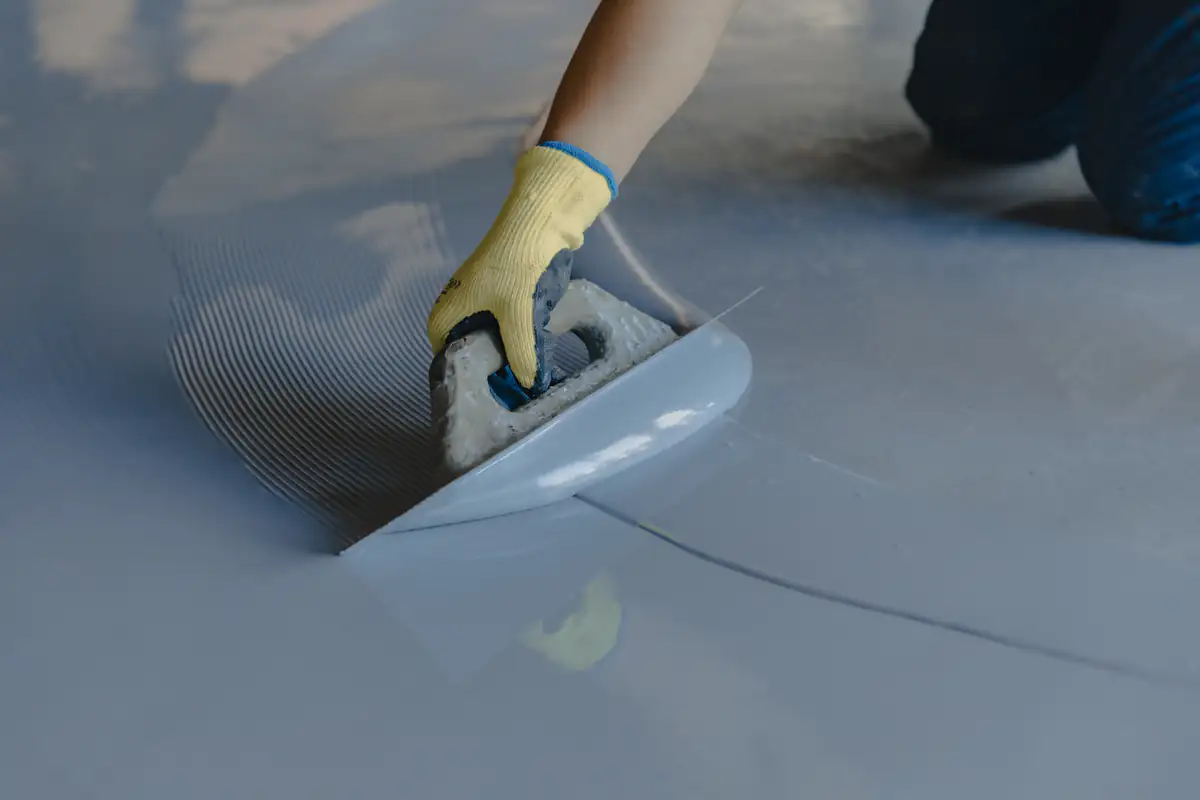
First, we evaluate your concrete. If there’s moisture coming through the slab, we address it with specialized primers that stop vapor transmission permanently. Skipping this step is why most coatings fail within two years.
Next comes surface prep. We grind the concrete to open the pores and create a mechanical bond. This isn’t optional. Up to 80% of epoxy failures trace back to inadequate prep work. We don’t cut corners here.
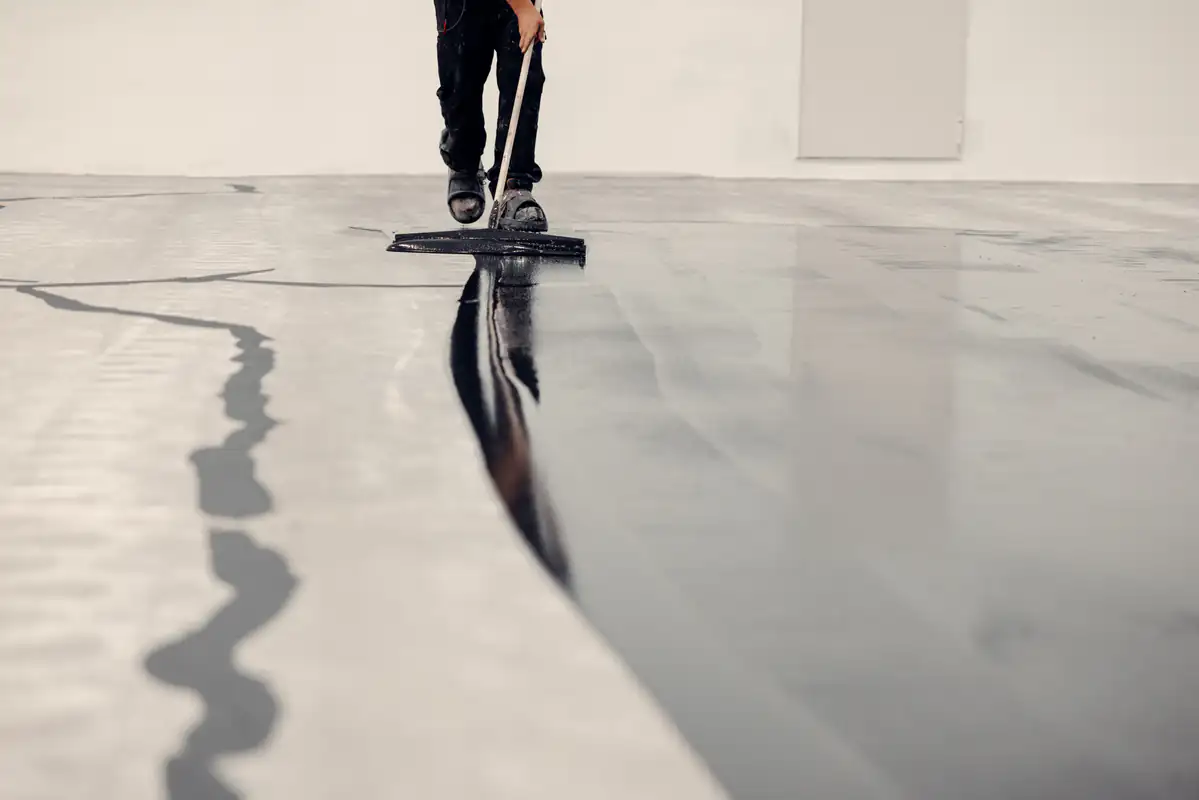
Then we apply the base coat, broadcast decorative flakes if you want them, and seal everything with a UV-stable topcoat. For garage floor covering epoxy in New Britain, CT, we typically use polyaspartic topcoats because they’re four times stronger than standard epoxy and won’t yellow when your garage door stays open during summer.
You’re back in your garage within 24-48 hours for light use. Full cure takes about a week, but you can park on it much sooner than that.
Ready to get started?
You get proper concrete prep, moisture testing, and a coating system designed for Connecticut conditions. That means materials rated for temperature swings from below zero to 90+ degrees, which is what New Britain sees annually.
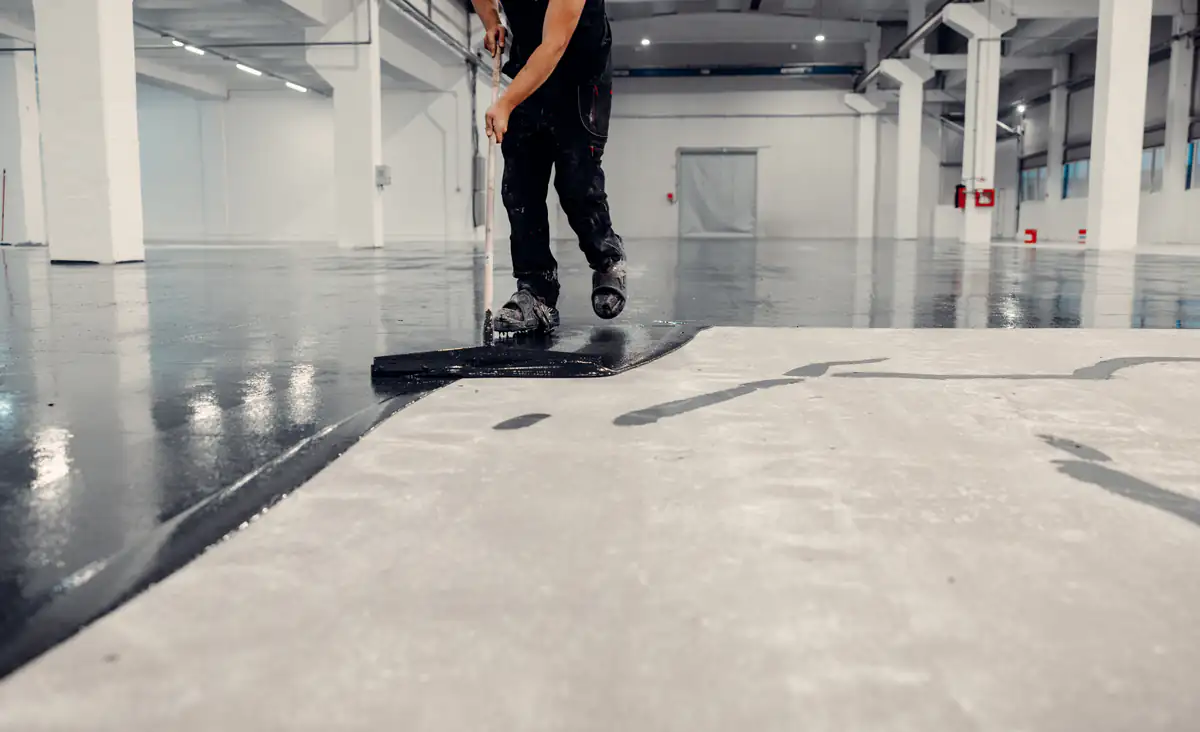
The installation includes crack repair, surface grinding, primer application, base coat, optional decorative flakes, and a UV-stable topcoat. Everything is chemical resistant, stain resistant, and designed to handle road salt tracked in all winter long.
New Britain sits in Hartford County where basement moisture is common and freeze-thaw cycles are brutal. We account for that. If your slab has moisture issues, we install vapor barriers. If you have existing cracks, we fill and stabilize them before coating. The goal is a floor that lasts 15+ years without maintenance headaches.
Every project includes warranty protection covering materials and workmanship. We’re not disappearing after the install. You have recourse if something goes wrong, which it shouldn’t if the work is done correctly from the start.
A professionally installed epoxy coating garage floor should last 15-20 years in New Britain’s climate when properly maintained. That’s with exposure to road salt, freeze-thaw cycles, and normal garage use.
DIY kits fail at about 30% within two years because the prep work isn’t done right and the materials aren’t industrial grade. You’re getting thin coatings that can’t handle moisture vapor or temperature swings. Professional installations use thicker mil coatings, proper primers, and UV-stable topcoats that don’t yellow or fade.
The lifespan depends entirely on installation quality. If moisture barriers are skipped and the concrete has hydrostatic pressure, any coating will fail regardless of quality. If surface prep is rushed, the mechanical bond never forms properly. When it’s done right with the right materials, you’re looking at decades of use with zero maintenance beyond occasional cleaning.
Yes, but only if moisture is addressed first. Basements in New Britain, CT commonly have water vapor coming through the concrete slab. That vapor creates pressure that pushes coatings off the surface. It’s called hydrostatic pressure and it’s the number one cause of coating failures in Connecticut basements.
We test for moisture before any installation. If vapor transmission is present, we install specialized primers that stop it permanently. These aren’t the primers you get at big box stores. They’re industrial moisture barriers rated for high vapor transmission that create a permanent seal.
Once the moisture is controlled, epoxy resin garage floor coatings work perfectly in basements. You get a sealed, dust-free surface that’s easy to clean and handles humidity without issues. Skipping the moisture step means the coating fails within months. Doing it right means it lasts for years without problems.
Professional epoxy flooring installation typically runs $5-12 per square foot depending on the condition of your concrete, the coating system selected, and whether moisture mitigation is needed. A standard two-car garage averages 400-600 square feet.
That’s more than DIY kits that cost a few hundred dollars. But those kits fail at a 30% rate within two years, and you’re back to square one with damaged concrete that’s harder to coat properly the second time. You end up paying twice.
Professional installation includes proper surface prep, moisture testing, crack repair, industrial-grade materials, and a 15-year warranty. The floor is done right once. You’re not redoing it in two years. When you factor in longevity and zero maintenance, the cost per year is minimal compared to the alternative of constant repairs or replacement.
Epoxy is the base coat. Polyaspartic is the topcoat. They work together in professional installations for garage floor covering epoxy systems in New Britain, CT.
Epoxy provides the bond to concrete and builds thickness. It’s durable but can yellow under UV exposure and is somewhat brittle in extreme temperature swings. Polyaspartic is up to four times stronger, cures faster, and is UV-stable so it won’t yellow or fade when your garage door is open during summer.
We use a hybrid system: epoxy base with polyaspartic topcoat. You get the best of both materials. The epoxy bonds to concrete and fills imperfections. The polyaspartic protects against UV, chemicals, abrasion, and temperature extremes. It’s the combination that handles Connecticut weather without failing.
Your concrete needs to be at least 28 days old, structurally sound, and free of active moisture issues. New concrete hasn’t fully cured before 28 days and will trap moisture under any coating you apply.
We test for moisture using calcium chloride tests that measure vapor transmission rates. If the rate is too high, coatings will fail regardless of quality. We also check for oil contamination, existing sealers, and structural cracks that need repair before coating.
Surface prep determines success. The concrete gets ground to open the pores and create a profile for mechanical bonding. Any existing coatings, sealers, or contaminants get removed completely. If your concrete is flaking, heavily cracked, or has major settlement issues, it may need repair work before it’s ready for epoxy. A proper evaluation tells you exactly what’s needed before any work begins.
Yes, when installed correctly with the right materials. Professional garage floor coating in New Britain, CT uses chemical-resistant epoxies and polyaspartic topcoats rated for road salt exposure and freeze-thaw cycles.
Connecticut winters are hard on floors. Temperatures swing from below zero to above freezing repeatedly throughout winter. Road salt tracked in is highly corrosive. Standard DIY epoxies can become brittle and crack under these conditions. Industrial-grade systems flex slightly with temperature changes and resist chemical damage from salt.
The key is using UV-stable polyaspartic topcoats that maintain flexibility in cold temperatures and don’t degrade from salt exposure. We also ensure proper concrete prep so the coating bonds mechanically to the substrate. When the bond is strong and the materials are rated for harsh conditions, the floor handles everything Connecticut winters throw at it without peeling, cracking, or fading.
Other Services we provide in New Britain