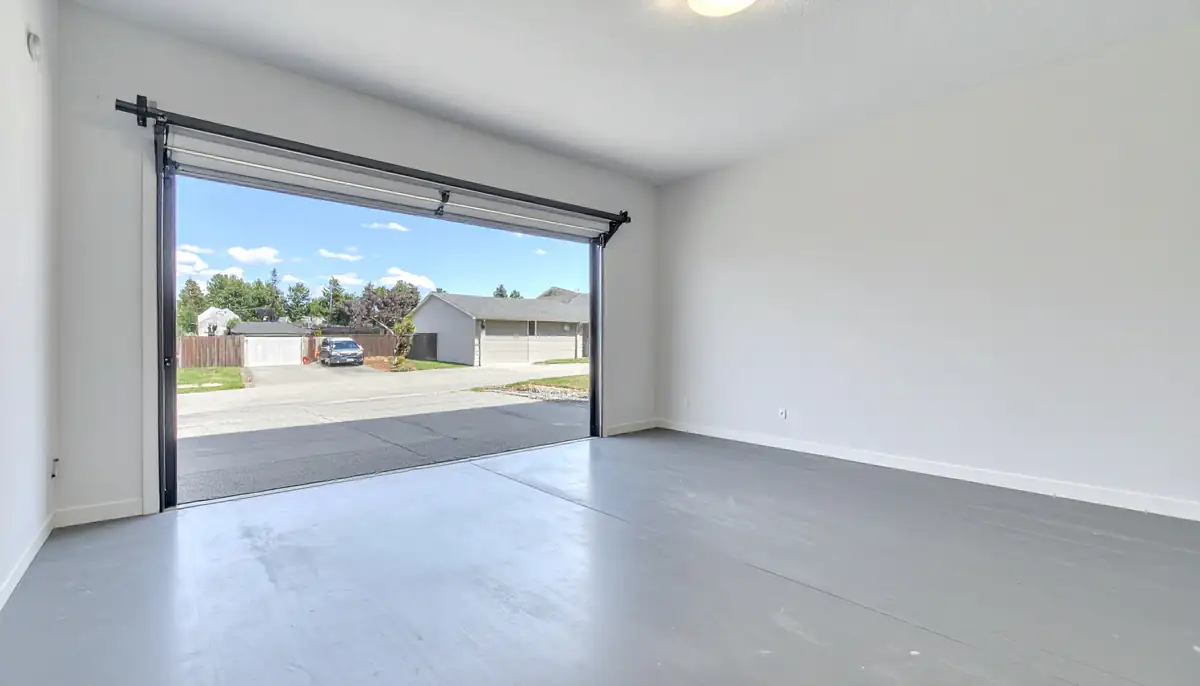
Your garage doesn’t have to look like a neglected storage pit. Once we’re done, you’ll have a seamless surface that cleans with a quick hose-down and resists everything from motor oil to ice melt. No more dirt trapped in pores. No more embarrassment when someone pulls in.
Most garage floor coating jobs in Blue Hills, CT wrap up in 2-3 days. You’re not losing a week of access to your space. And because we use epoxy resin garage floor systems designed for Connecticut’s freeze-thaw cycles, you’re not redoing this in five years when the coating starts bubbling.
If you’ve got a basement with moisture problems, we solve that too. Our primers stop water vapor transmission before it becomes your problem. That means no mold, no mildew, and no musty smell creeping upstairs.
We aren’t guessing about what works here. We’ve installed epoxy flooring in Blue Hills, CT and across Hartford, New Haven, New London, and Middlesex Counties long enough to know exactly what fails and why.
Connecticut floors deal with moisture from the ground, salt tracked in all winter, and temperature swings that crack inferior coatings. We account for all of it. Our installations include moisture barriers when needed, proper surface prep that actually bonds, and coatings that flex with your concrete instead of popping off.
You’re not getting a crew that learned from YouTube. You’re getting people who’ve handled everything from residential garages to FDA-compliant commercial floors.
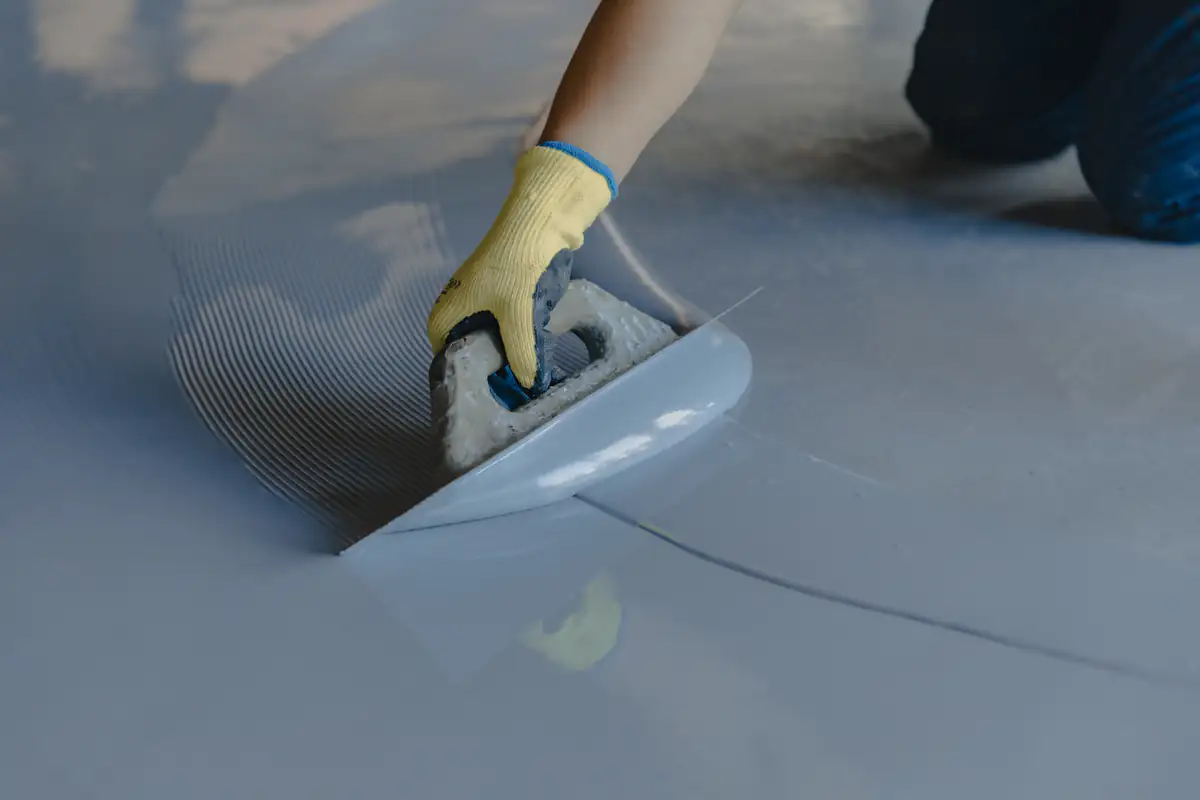
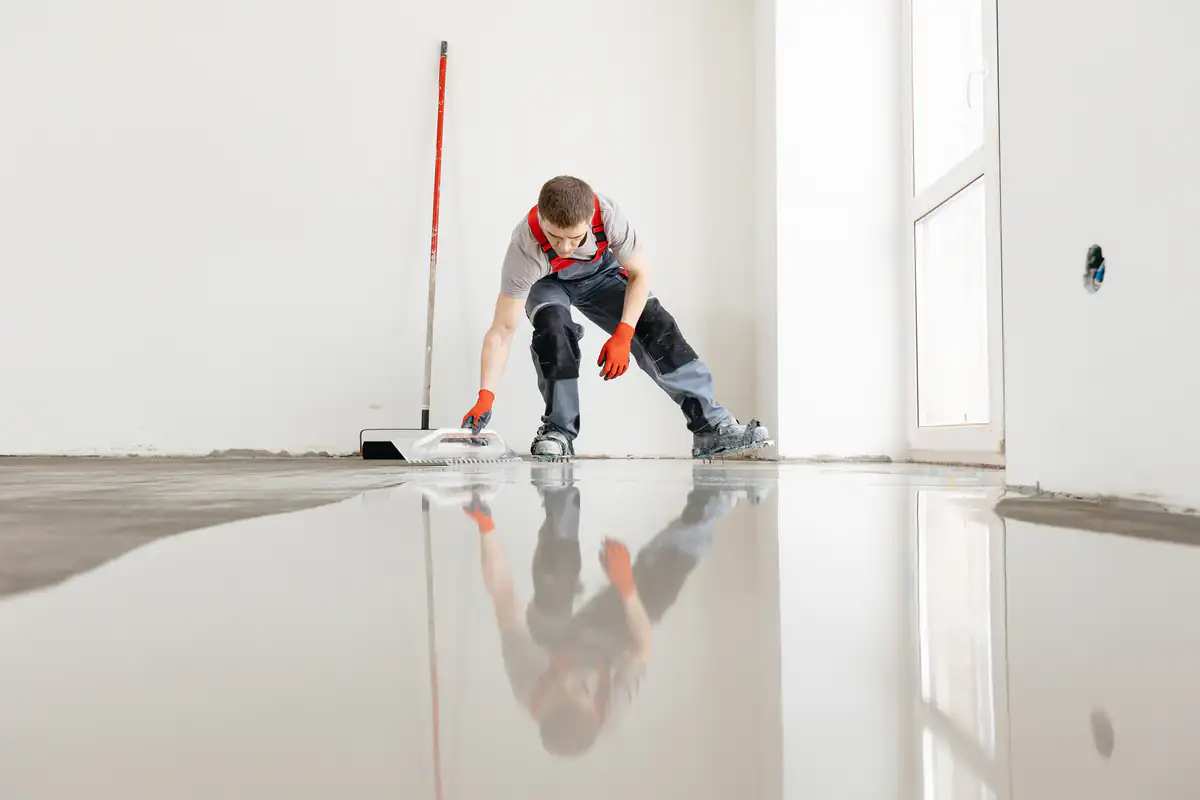
First, we prep your concrete properly. That means grinding down the surface to open the pores so the epoxy actually bonds. If you’ve got cracks, we fill them. If there’s a moisture issue, we address it with a vapor barrier primer before anything else goes down.
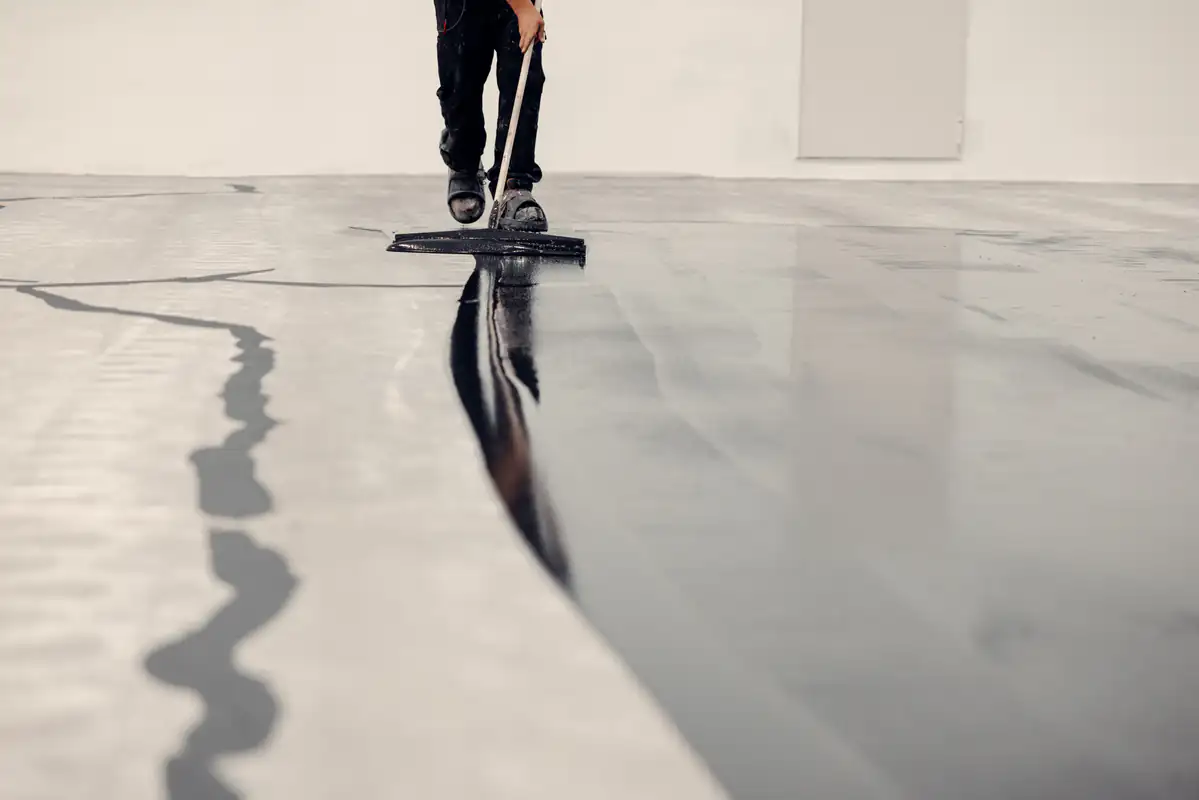
Then we apply the base coat. This isn’t a thin layer you roll on in an afternoon. It’s a thick, industrial-grade system that penetrates and locks into your concrete. We’re creating a chemical bond, not just painting over problems.
After the base cures, we add the topcoat. This is where you get the finish you want—whether that’s a high-gloss showroom look or a slip-resistant texture for safety. The whole process typically takes 2-3 days depending on your space and the system you choose.
Once it’s cured, you’ve got a floor that handles whatever you throw at it. Literally. Drop tools, park hot tires on it, spill chemicals—it doesn’t matter. Clean it with a mop or hose and move on.
Ready to get started?
Every epoxy flooring job in Blue Hills, CT starts with a real assessment. We’re checking for moisture, looking at your concrete’s condition, and talking through how you actually use the space. A garage that stores classic cars needs different specs than one that doubles as a workshop.
You get proper surface preparation—not a quick sweep and roll. We’re grinding, patching, and priming based on what your floor actually needs. If you’ve got the moisture issues common in Connecticut basements, we’re installing vapor barriers that stop water transmission permanently.
The coating system itself is built for durability. We’re not using big-box store kits that peel up after one winter. These are professional-grade epoxy and polyaspartic systems that cure harder, bond stronger, and last longer than anything you’ll find at a retail store. Most installations come with slip-resistant additives for safety, and you can customize the look with different colors and flake patterns.
Blue Hills properties deal with specific challenges—older foundations, high water tables in some areas, and the seasonal beating from road salt. We account for all of it in how we spec and install your floor.
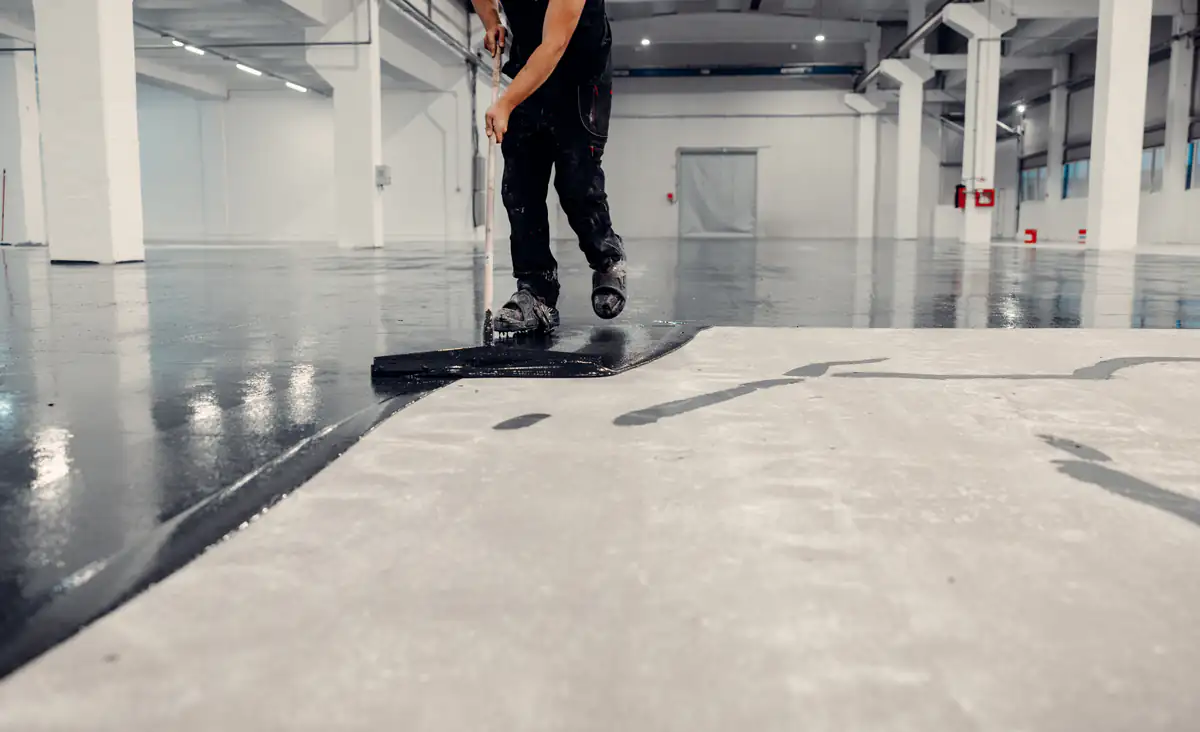
A professionally installed epoxy coating garage floor should last 15-20 years in a residential garage with normal use. That’s assuming you’re parking cars, doing some projects, and generally using the space like most people do.
Commercial and industrial floors see heavier traffic, so the lifespan depends on what you’re putting them through. A warehouse with forklifts running all day will wear faster than a retail space with foot traffic. But even in high-use environments, you’re looking at 10-15 years before you need to think about recoating.
The failures you see—coatings that bubble, peel, or wear through in a few years—almost always come down to bad prep or cheap materials. If the concrete wasn’t properly cleaned and profiled, the epoxy won’t bond. If someone used a thin DIY kit from a hardware store, it was never going to hold up to Connecticut winters. We see it all the time: people try to save money on the front end and end up paying twice to have it done right.
Sometimes, but usually it’s better to remove what’s there. If your existing coating is failing—peeling, bubbling, or delaminating—we need to strip it down to bare concrete. Putting new epoxy over a failing system just means the new coating fails too when the old one lets go.
If the existing coating is still fully bonded and in good shape, we can sometimes coat over it after proper prep. We’ll scuff the surface to create a mechanical bond and make sure everything is clean and dry. But this only works if what’s underneath is solid.
Most of the floors we see in Blue Hills, CT that already have coatings need to be stripped. DIY kits from big box stores rarely hold up more than a few years, especially with our freeze-thaw cycles and road salt. Once we get down to clean concrete, we can install a system that actually lasts. It’s more work upfront, but you’re not doing this again in three years.
The kits you find at hardware stores are thin—usually around 3-5 mils when applied. We install systems that go down at 10-20 mils or thicker. That difference matters when you’re dealing with impact, abrasion, and chemicals.
Store-bought kits also use lower-grade resins that don’t bond as well or cure as hard. They’re designed to be cheap and easy for homeowners to apply, which means compromises everywhere. The instructions tell you to acid-etch the concrete, which barely opens the surface. We use diamond grinders that actually profile the concrete for a real mechanical bond.
The other issue is cure time and temperature sensitivity. Those DIY kits need perfect conditions—right temperature, low humidity, no moisture in the concrete. If any of those are off, the coating fails. Professional systems are more forgiving and we have the tools to measure and control the variables. You’re also getting a much thicker, more durable finish that can handle real use instead of just looking good for a few months.
Connecticut basements are notorious for moisture issues, especially in older homes with stone foundations or high water tables. Before we install any epoxy flooring in Blue Hills, CT, we test for moisture vapor transmission. If your concrete is releasing water vapor, a standard coating will fail—guaranteed.
When we find moisture, we use specialized epoxy primers designed to block vapor transmission. These aren’t regular primers. They’re moisture-mitigating systems that create an impermeable barrier between your concrete and the topcoat. This stops water vapor from pushing up and causing the coating to bubble or delaminate.
In severe cases, we might recommend a different approach—like a moisture-tolerant coating system or addressing drainage issues before we coat. We’re not going to install something that fails in six months just to get the job. If your basement needs work beyond coating, we’ll tell you. But in most cases, the right primer system solves the problem permanently. You end up with a dry, clean basement floor that resists mold and mildew instead of feeding it.
You can walk on most epoxy resin garage floor systems within 24 hours. Light foot traffic won’t hurt anything once the coating has reached initial cure. But you’re waiting longer before you park cars or move heavy equipment back in.
For vehicle traffic, you’re typically looking at 3-5 days depending on the system we installed and the temperature during cure. Cooler weather slows the cure time. If we install your floor in January, it might take the full five days. Summer installations cure faster.
Full chemical cure—where the epoxy reaches maximum hardness and chemical resistance—takes about seven days. That’s when the floor is fully ready for everything you’re going to throw at it. We’ll give you specific guidance based on your installation, but plan on keeping cars out for at least three days to be safe.
The wait is worth it. Rushing the cure by parking on it too soon can leave tire marks or create soft spots that never fully harden. Give it the time it needs and you’ll have a floor that lasts decades instead of needing repairs in the first year.
Most residential garage floor coating projects in Blue Hills, CT run between $5-12 per square foot depending on the system and your concrete’s condition. A standard two-car garage (400-500 square feet) typically costs $2,000-6,000 installed.
That range exists because every floor is different. If your concrete is in good shape and just needs basic prep, you’re on the lower end. If we’re dealing with cracks, moisture issues, or old coatings that need removal, the price goes up. The coating system you choose matters too—basic epoxy costs less than hybrid polyaspartic systems that cure faster and offer better UV resistance.
Commercial and industrial projects get priced differently because the requirements change. A retail floor needs to look good and handle foot traffic. A manufacturing facility needs chemical resistance and might require specific slip resistance ratings. We’re quoting based on your actual needs, not a one-size-fits-all number.
The cheapest option is rarely the best value. We’ve recoated plenty of floors where someone went with the lowest bid and got exactly what they paid for—a coating that failed within a few years. You’re better off investing in a proper installation once than paying twice to fix a cheap job.
Other Services we provide in Blue Hills