Connecticut pharmaceutical facilities and research laboratories need flooring that meets FDA compliance standards while withstanding harsh chemicals and rigorous sanitation protocols.
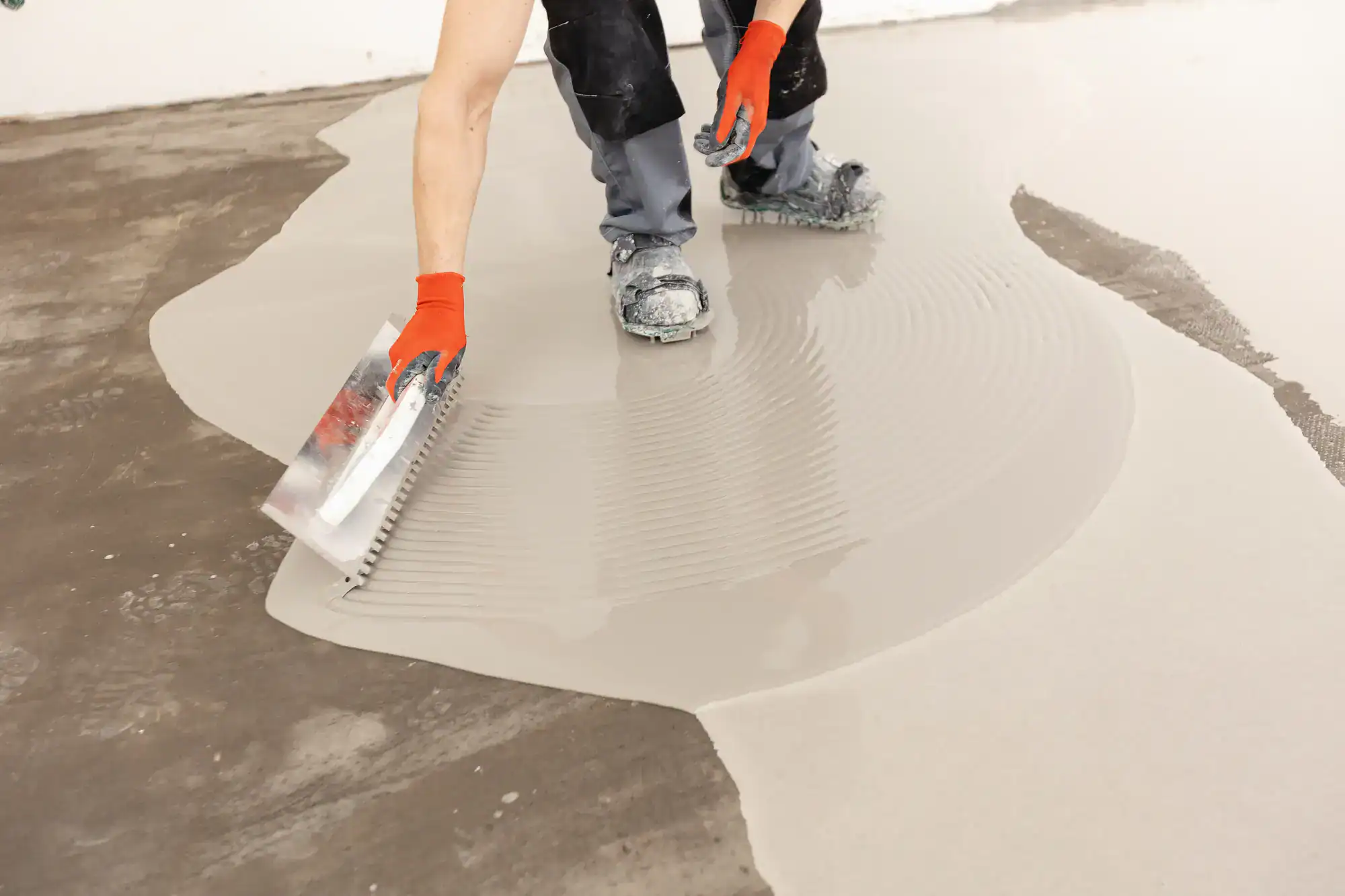
Walk into a pharmaceutical manufacturing facility in Connecticut and you’ll notice the floors look different. That’s because they are. Laboratory and cleanroom epoxy flooring operates under regulatory requirements that don’t exist in retail stores or office buildings.
The FDA doesn’t care if your garage floor looks nice. But they absolutely care if your pharmaceutical production floor has cracks where contamination can hide. GMP regulations mandate seamless, non-porous, easy-to-clean surfaces. ISO cleanroom standards specify maximum particle emission rates. Your floors either meet these standards or they don’t—and the consequences of failure include warning letters, production shutdowns, and failed audits.
Connecticut’s life sciences sector—from Boehringer Ingelheim’s facilities to the biotech startups in New Haven’s growing research corridor—operates in one of the most heavily regulated industries in the world. Standard commercial epoxy flooring won’t survive the chemical exposure, won’t meet the compliance requirements, and won’t last under the operational demands these facilities face daily.
Good Manufacturing Practice isn’t a suggestion—it’s federal law for pharmaceutical manufacturers. And when FDA inspectors walk through your Hartford County or Middlesex County facility, they’re looking at your floors.
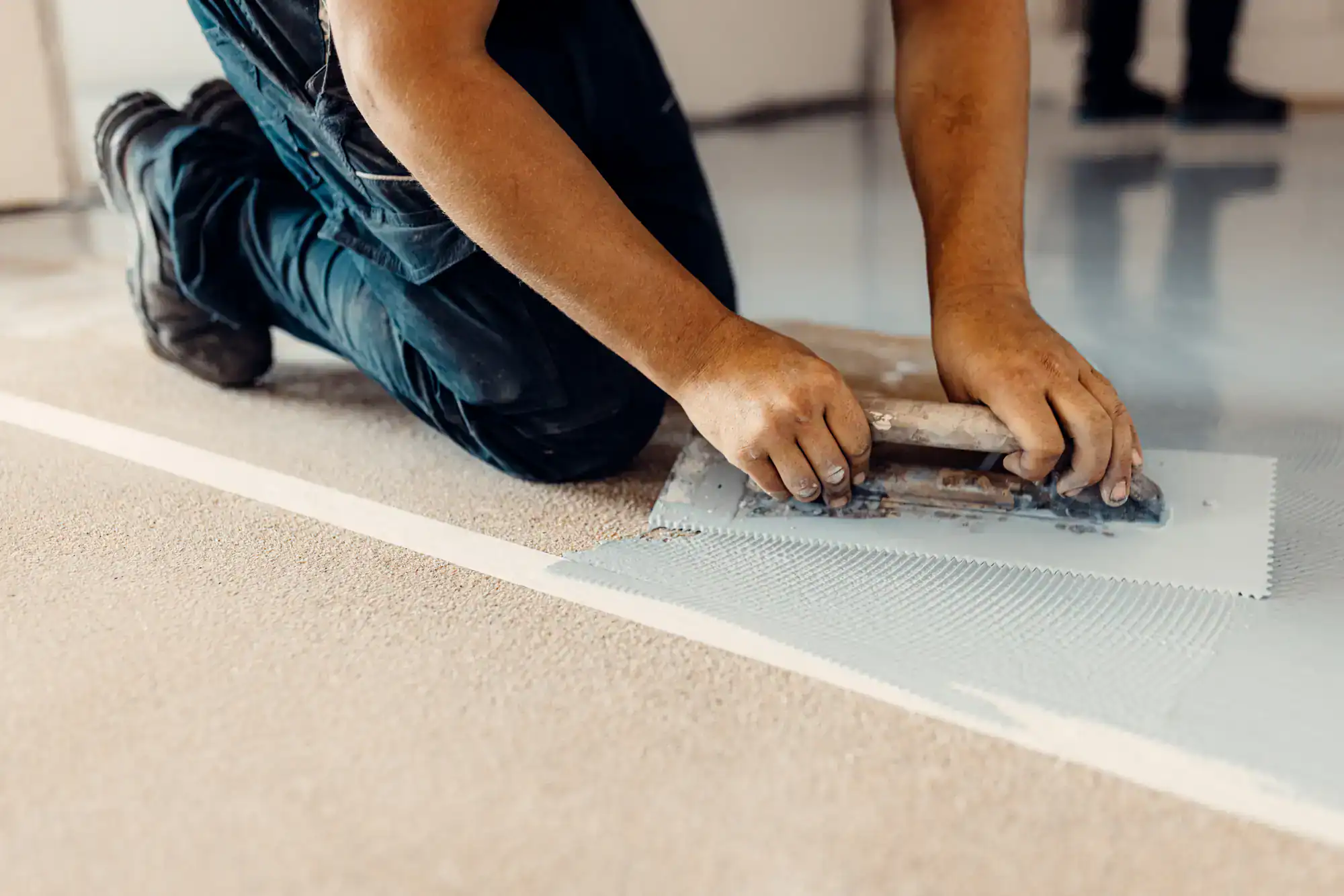
GMP regulations require surfaces that are smooth, impervious, free from cracks and joints, and incapable of shedding particles. Translation: you need seamless resinous flooring that creates a monolithic surface with zero grout lines, no seams, and nowhere for contaminants to accumulate. This eliminates the hundreds of failure points you’d have with tile flooring.
Here’s what GMP-compliant epoxy flooring actually prevents. Bacterial growth in cracks and crevices. Particle contamination from degrading surfaces. Chemical absorption that creates cleaning and safety issues. Cross-contamination between production zones. Each of these can trigger inspection failures that cost hundreds of thousands in remediation and lost production.
Connecticut pharmaceutical facilities producing sterile products face even stricter requirements. Your flooring must support aseptic processing environments where any contamination source is unacceptable. This means floors that don’t just look clean—they must be validated as contamination-free through environmental monitoring and surface sampling.
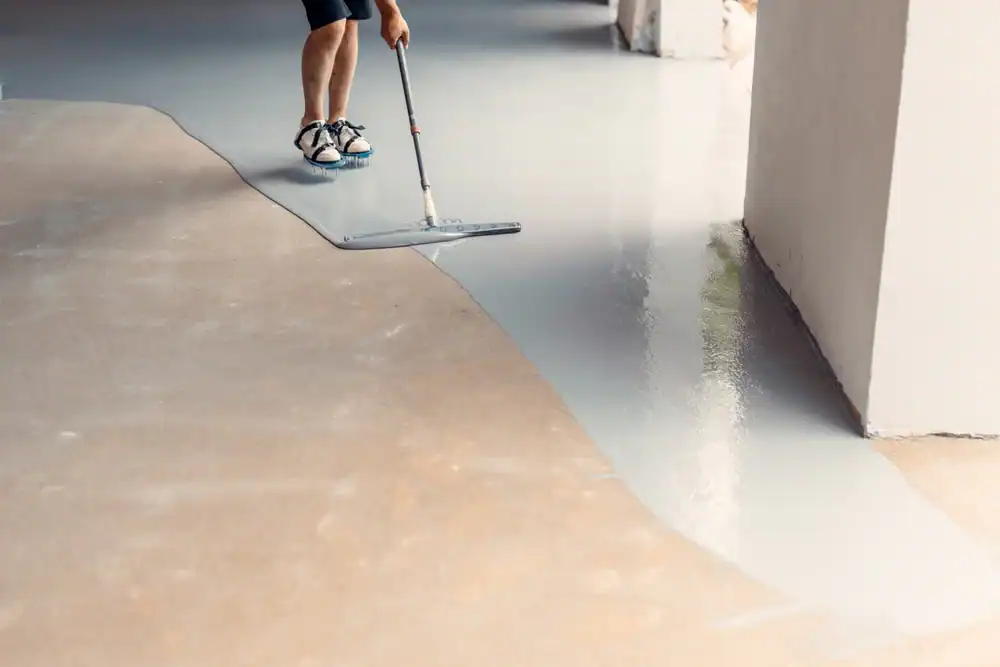
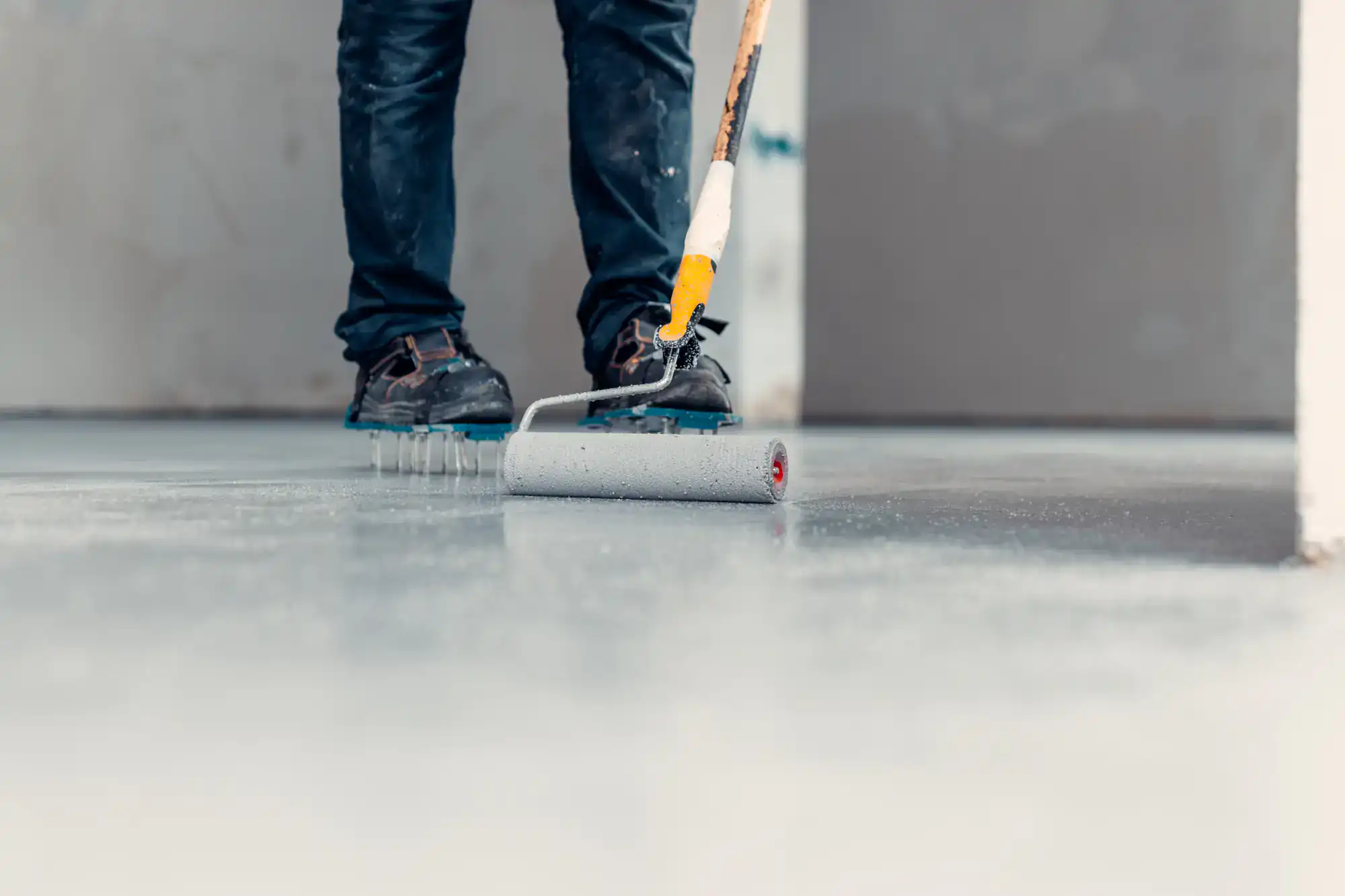
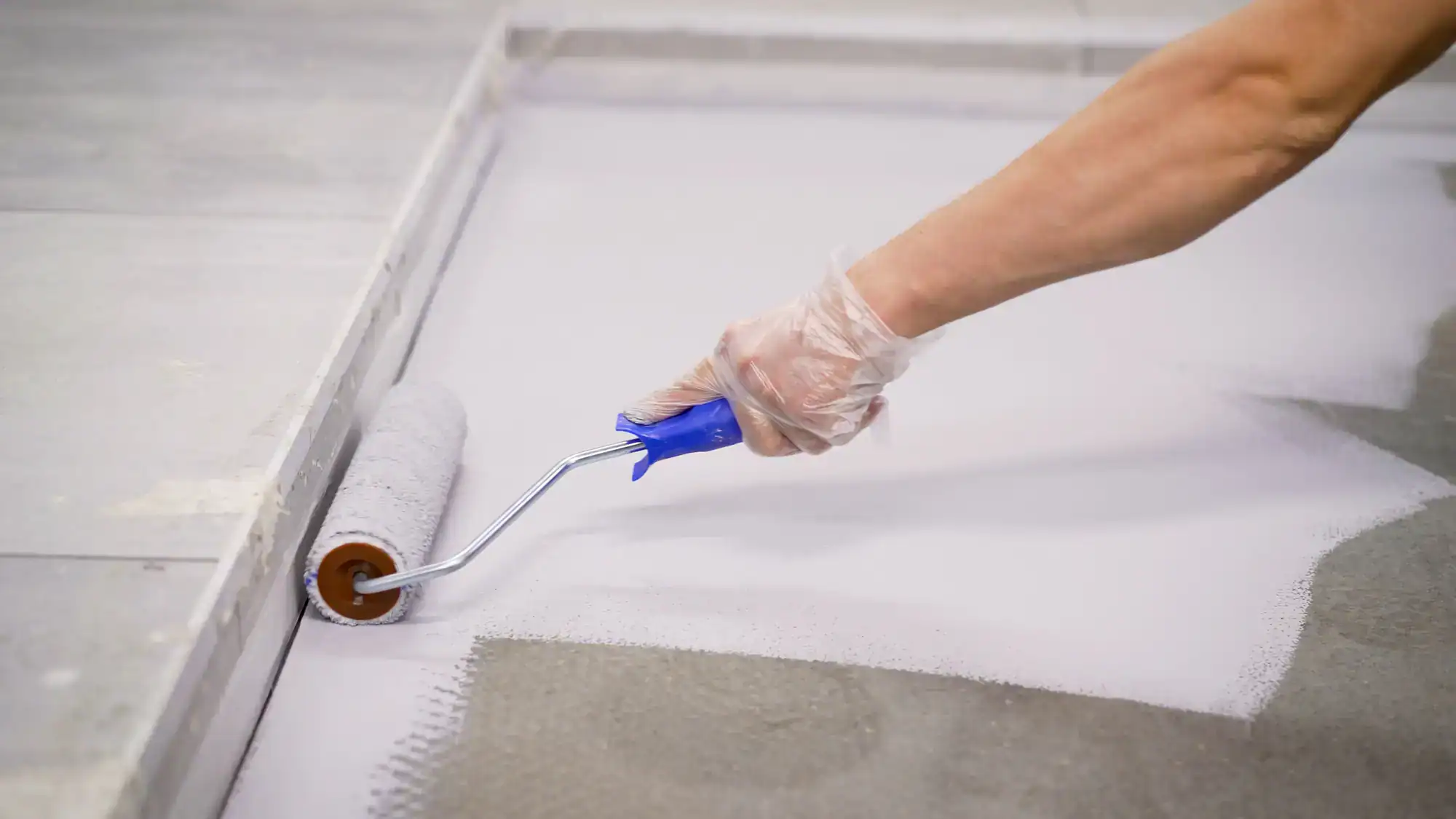
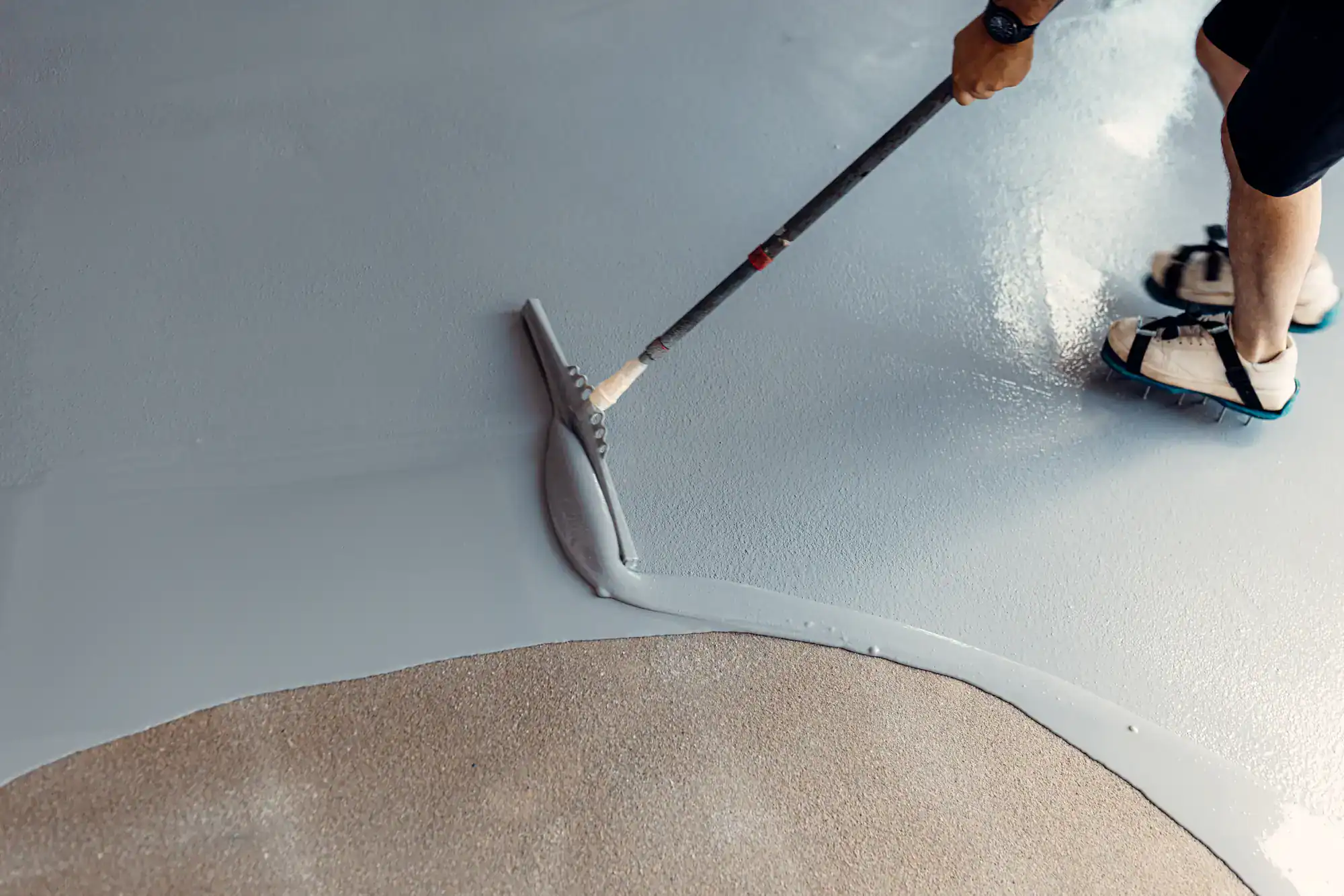
Installation quality determines compliance as much as product selection. Proper surface preparation ensures adhesion. Correct resin mixing prevents weak spots. Adequate cure times guarantee full chemical resistance. Cove base installation eliminates wall-floor junctions where contamination accumulates. We understand that pharmaceutical flooring experience matters—installations must meet validation requirements that general contractors might not even know exist.
The investment in GMP-compliant laboratory epoxy flooring isn’t optional if you want to stay operational. It’s the foundation—literally—of a compliant facility that can withstand regulatory scrutiny while supporting your production requirements for decades.
Your cleaning crew uses chemicals that would strip paint off walls. That’s the reality in Connecticut pharmaceutical facilities, where daily sanitation involves phenolic disinfectants, concentrated bleach solutions, quaternary ammonium compounds, and pharmaceutical-grade cleaning agents designed to eliminate every possible contaminant.
Standard epoxy flooring breaks down under this chemical assault. You’ll see discoloration within months, surface etching within a year, and complete failure requiring replacement within three to five years. That’s expensive, disruptive, and completely avoidable with proper chemical resistant flooring specifications.
True chemical resistance requires understanding your specific exposures. R&D laboratories in New Haven County might handle organic solvents daily. Quality control areas use strong acids for analytical testing. Production floors in New London County facilities get steam cleaned with caustic solutions multiple times per shift. Each application demands different resin chemistry.
High-performance chemical resistant epoxy flooring undergoes seven-day saturation testing—not the 24-hour spot tests that some manufacturers use for marketing. These extended tests reveal how flooring actually performs when spills sit overnight or when floors are continuously exposed to cleaning solution residue between shifts.
The pharmaceutical facilities expanding across Connecticut—including recent growth in Bloomfield and ongoing investments in Hartford County’s life sciences corridor—are specifying advanced flooring systems that combine epoxy base coats with urethane topcoats for enhanced chemical protection. Some areas with extreme exposure require novolac epoxy systems or cementitious urethane that can handle acids, alkalis, and thermal shock simultaneously.
We ask specific questions about chemical resistance during every consultation. What compounds will the floor be exposed to? What concentrations? At what temperatures? For how long? Generic resistance charts don’t account for your facility’s unique chemical environment. You need flooring engineered for your actual operating conditions, installed by professionals who understand pharmaceutical requirements.
Want live answers?
Connect with a American Poly Floor expert for fast, friendly support.
Contamination control starts at the floor level. In cleanroom environments and pharmaceutical production areas across Connecticut, seamless resinous flooring eliminates the primary contamination source that tile and other traditional flooring creates.
Every grout line in a tile floor is a contamination risk. Every seam is a place where bacteria can colonize. Every crack becomes a reservoir for chemicals, particles, and microorganisms that your cleaning protocols can’t fully eliminate. Seamless epoxy flooring removes these risks entirely by creating a continuous, non-porous surface that extends from wall to wall—and when properly installed with cove base, from floor to ceiling.
This matters more than you might think. Connecticut facilities operating ISO-rated cleanrooms must maintain specific particle counts per cubic meter of air. Your flooring contributes directly to these counts. A floor that sheds particles or harbors dust will compromise your classification, potentially invalidating research or forcing expensive remediation that shuts down operations.
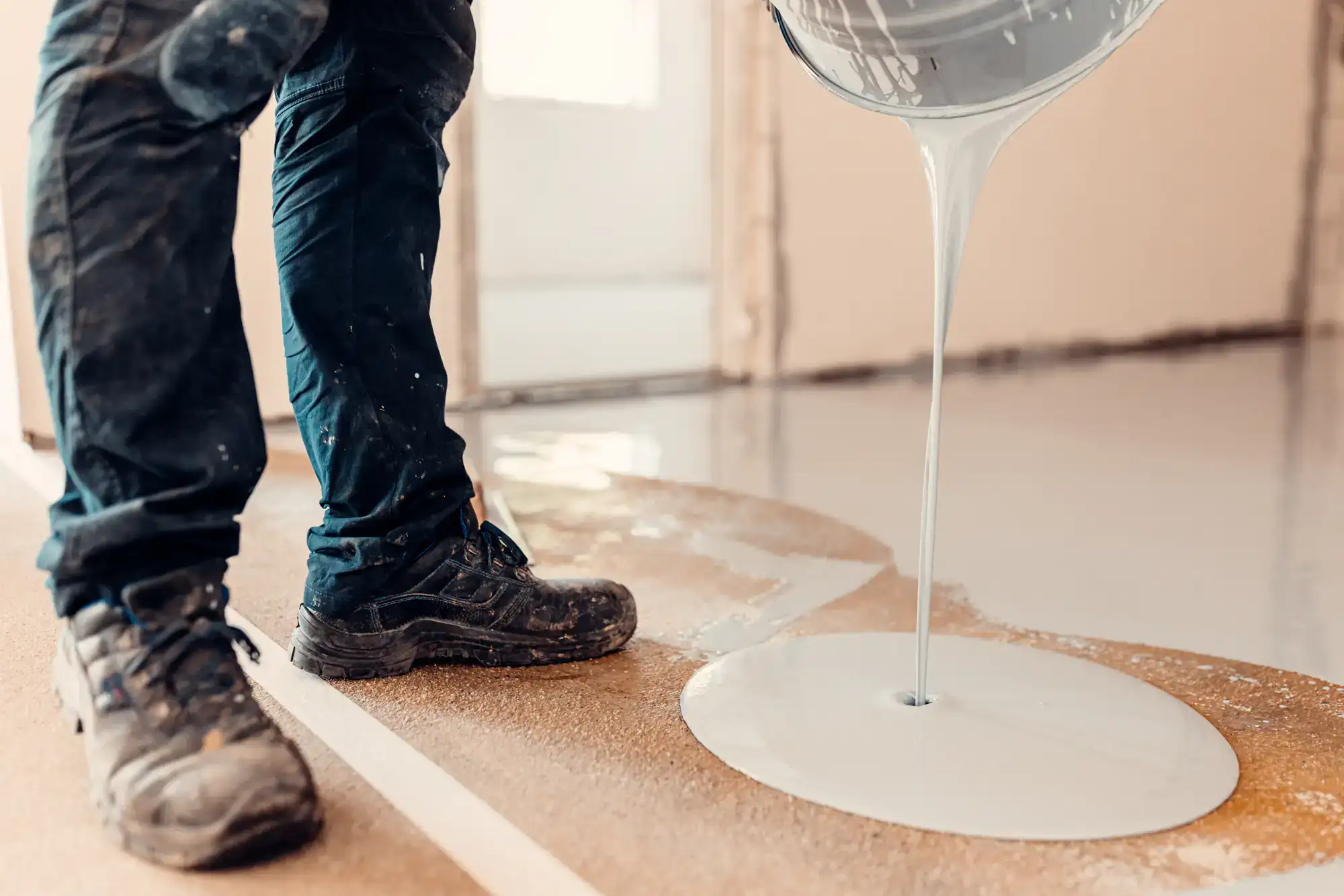
Pharmaceutical-grade flooring does more than resist contamination—it actively prevents microbial growth. Advanced epoxy flooring systems incorporate EPA-registered antimicrobial additives throughout the entire floor thickness, not just in the surface layer.
This distinction matters in real-world use. Surface-only antimicrobial treatments lose effectiveness when the floor is scratched by equipment or damaged by dropped instruments. Full-depth antimicrobial protection continues working even if the surface is compromised. The additives impede bacteria, yeast, mold, and mildew growth without leaching or degrading over time.
Connecticut biotech facilities—from established pharmaceutical manufacturers in Hartford County to emerging research companies in New Haven County—increasingly specify antimicrobial flooring as baseline protection. It’s not a premium upgrade. It’s standard practice in any environment where sterility directly impacts product quality and regulatory compliance.
The antimicrobial properties work alongside your cleaning protocols, not as a replacement. You still need to follow your SOPs for sanitation and disinfection. But the antimicrobial protection provides additional defense, particularly important in areas where cleaning frequency might be limited or where contamination risks are highest, like gowning rooms or material transfer airlocks.
Beyond chemical additives, the non-porous nature of properly installed laboratory epoxy flooring prevents moisture penetration at the substrate level. Moisture is essential for microbial growth. Eliminate it, and you stop contamination before it starts. This becomes critical in areas with frequent washdowns or where humidity control presents ongoing challenges.
Validation and testing separate real antimicrobial performance from marketing claims. ISO 846 standards evaluate bacterial and fungal growth on flooring surfaces over 28-day periods. Compliant flooring should demonstrate zero colony-forming units during testing. When evaluating options, look for third-party testing, not just product data sheets. Independent validation proves performance under actual use conditions.
Your cleanroom classification depends on particle counts that your flooring directly influences. ISO 14644-1 standards classify cleanrooms based on maximum allowable particles per cubic meter of air. As flooring ages and experiences wear from foot traffic, equipment movement, and aggressive cleaning, it can become a particle source that compromises your classification.
This is where many facilities discover that cheaper flooring options cost more long-term. VCT tile, painted concrete, and lower-grade epoxy coatings release particles as they wear. These particles get circulated by your HVAC system, contaminate your controlled environment, and show up in your environmental monitoring results. Once your particle counts exceed classification limits, you’re facing expensive remediation, production delays, and potential batch failures.
High-performance epoxy floors for pharmaceutical facilities are engineered to remain non-particle-shedding throughout their lifecycle. Independent laboratory testing simulates wear equivalent to 10 years of regular use, then measures particle emission rates. The best systems maintain ISO classification compliance even after this simulated aging. That’s the durability you need in a Connecticut pharmaceutical facility where cleanroom remediation costs tens of thousands in materials and labor, plus lost production time.
Connecticut’s pharmaceutical manufacturing sector—particularly facilities in Hartford County and New Haven County producing sterile injectables or handling potent compounds—can’t compromise on cleanroom integrity. Your flooring must support classification requirements not just at installation, but for 15 to 20 years of continuous operation. Factor in the total cost of ownership when evaluating options. A flooring system that lasts twice as long costs less per year, even if the initial investment is higher.
Consider what flooring replacement actually involves in an operational cleanroom. You’re not just paying for new floors. You’re paying for equipment relocation, production downtime, revalidation, environmental monitoring, and the opportunity cost of delayed research or manufacturing. Durable, long-lasting laboratory epoxy flooring eliminates these recurring costs by performing reliably for decades.
The pharmaceutical companies expanding across Connecticut understand this calculation. Recent facility upgrades in Bloomfield, ongoing investments in Middlesex County research labs, and new cleanroom construction in New Haven County all specify premium flooring systems designed for long-term performance. They’re not cutting corners on the foundation of their controlled environments.
The flooring you install today will impact your facility’s operations, compliance status, and maintenance costs for the next 15 to 20 years. Get it right, and you have a reliable asset that supports your work invisibly. Get it wrong, and you’re dealing with ongoing problems, compliance risks, and premature replacement costs that compound over time.
Connecticut facility managers in Hartford County, New Haven County, New London County, and Middlesex County should prioritize contractors with specific pharmaceutical and laboratory flooring experience. Generic commercial flooring expertise doesn’t translate to understanding GMP requirements, ISO cleanroom standards, or the chemical exposures your facility handles daily.
Quality installation determines long-term performance as much as product selection. Proper surface preparation, correct resin mixing, adequate cure times, attention to detail around drains and wall penetrations, and proper cove base installation all affect whether your floor meets compliance requirements and lasts as intended. When you’re ready to explore chemical resistant epoxy flooring solutions that meet the demanding requirements of pharmaceutical facilities and research laboratories, we bring the expertise and commitment to quality that Connecticut’s life sciences sector requires.
Summary:
Article details:
Share: