Your garage becomes the space you actually want to use. No more oil stains that won’t come out, no more concrete dust on everything, no more embarrassment when neighbors see your garage.
Instead, you get a smooth, glossy surface that makes cleaning effortless. Spills wipe up easily. Your cars look better parked on a professional surface. The whole space feels cleaner, brighter, and more organized.
Most importantly, you’re done worrying about your floor. Our polyaspartic garage floor epoxy coating creates a protective barrier that handles whatever your garage throws at it—from hot tires to chemical spills to daily wear.
American Poly Floor has been transforming Connecticut garages with professional-grade epoxy and polyaspartic coatings. As a veteran-owned business, we bring military precision to every installation.
Our team holds certifications in both Polyurea and Polyaspartic coatings—advanced technologies that outperform traditional epoxy. While other contractors in Madison Center might still use outdated methods, we use the latest coating science.
Connecticut’s climate presents unique challenges for garage floors. Freeze-thaw cycles, road salt, and humidity can destroy inferior coatings. That’s why we use moisture mitigation primers and UV-resistant topcoats specifically designed for New England conditions.
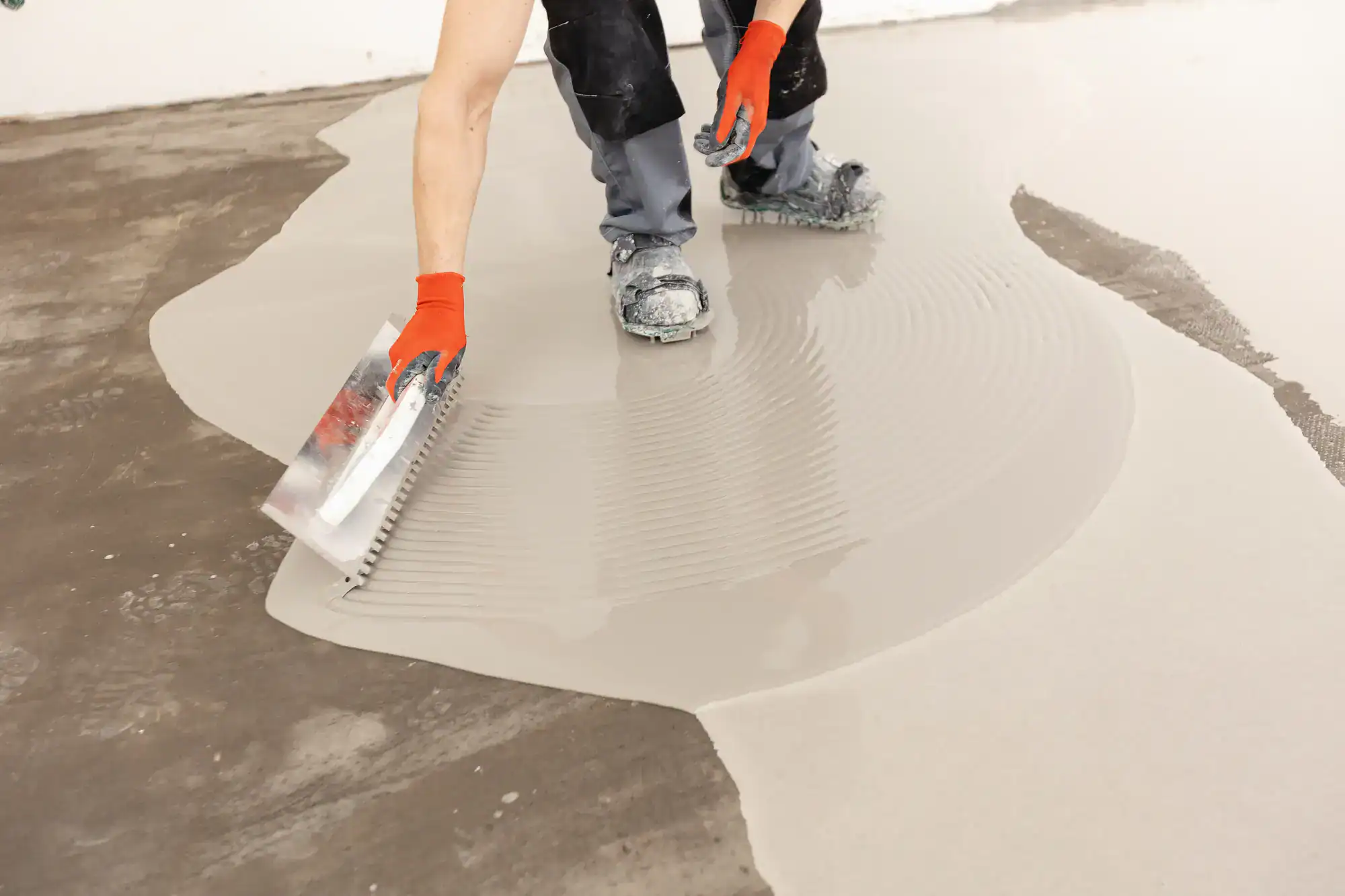
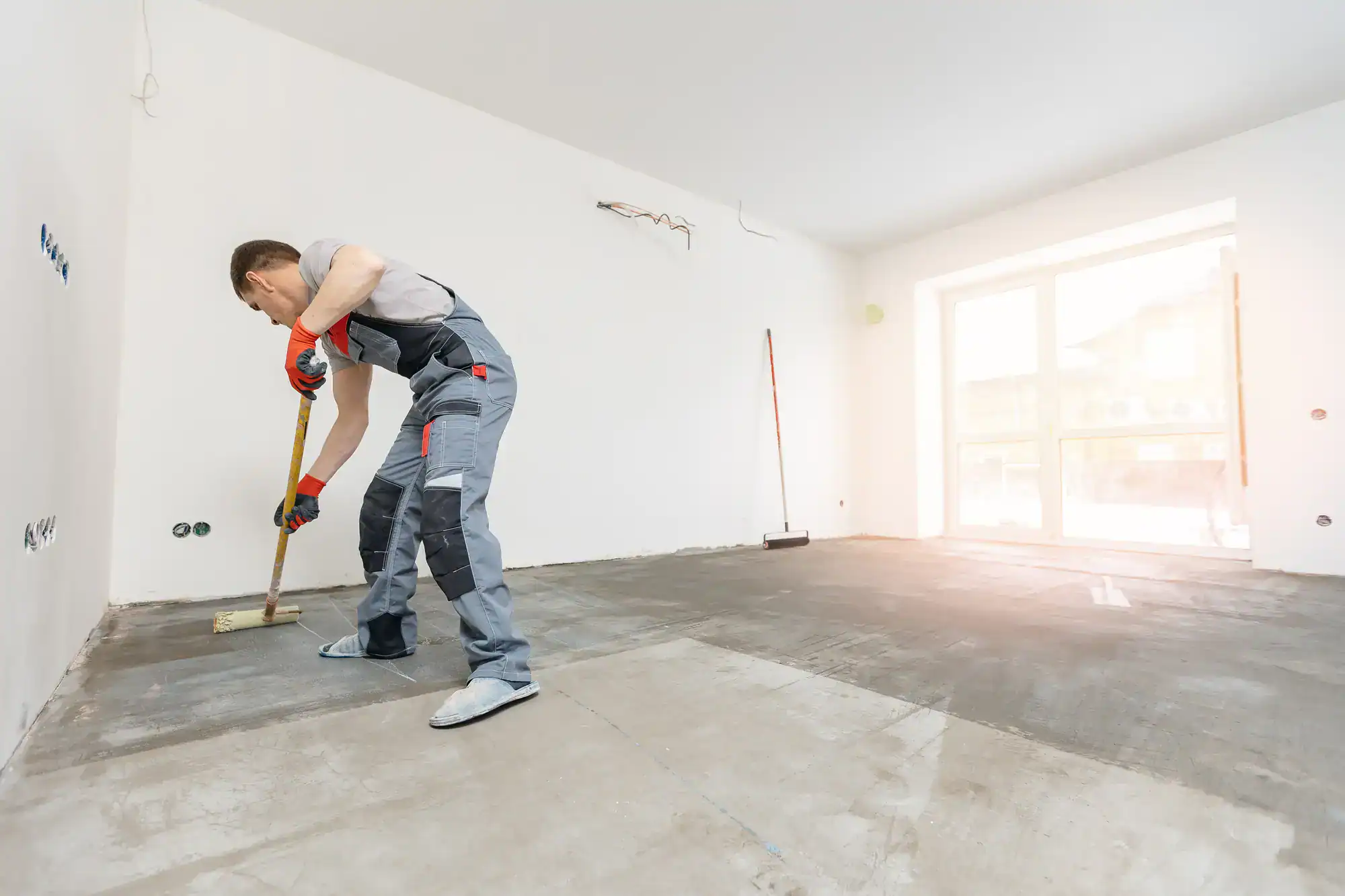
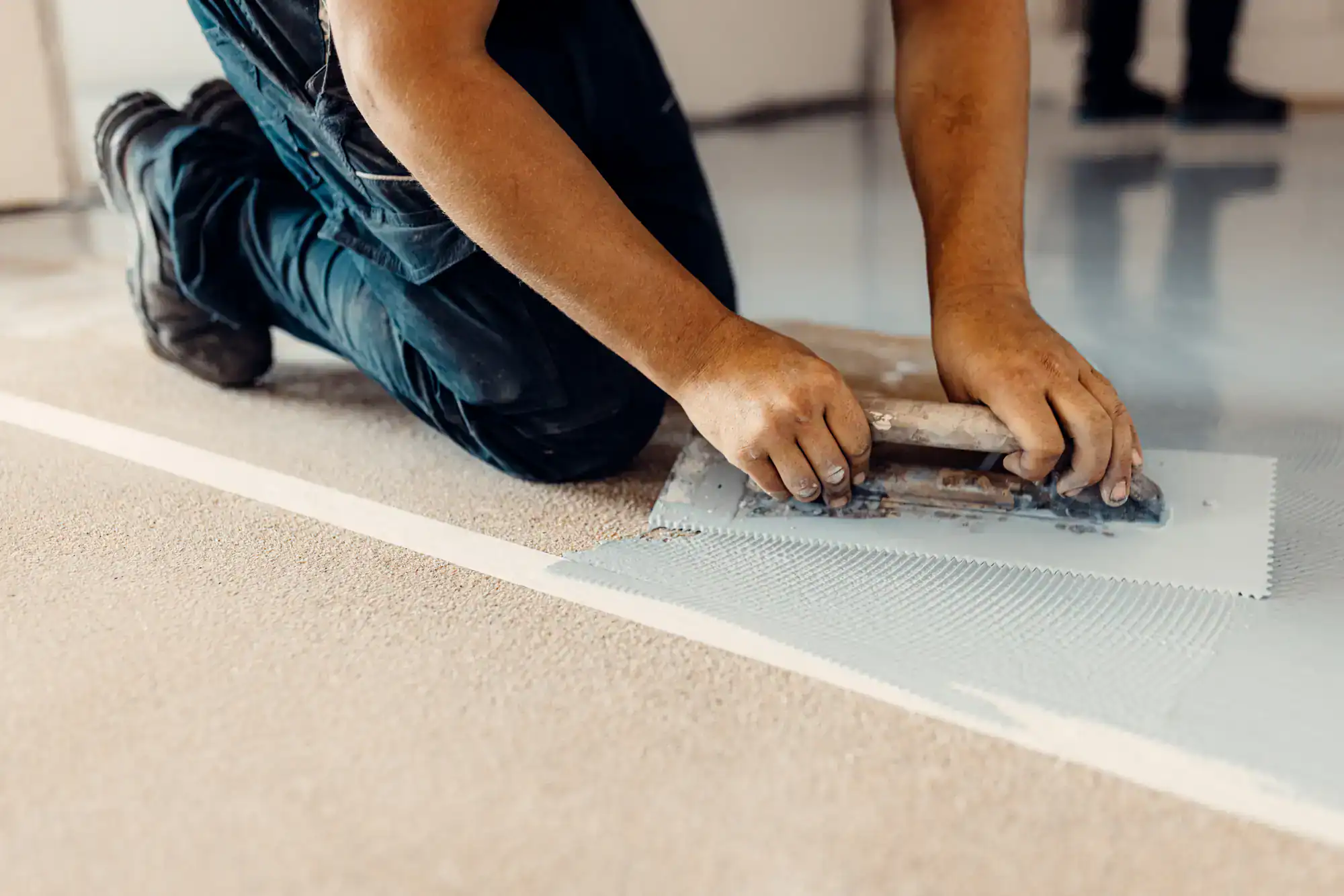
The process starts with thorough concrete preparation—the step that determines whether your floor lasts decades or fails within months. We mechanically grind the surface to create the proper profile for maximum adhesion.
Next comes moisture mitigation. Connecticut’s concrete often holds moisture that can destroy coatings from underneath. Our primer creates a barrier that prevents future bonding issues.
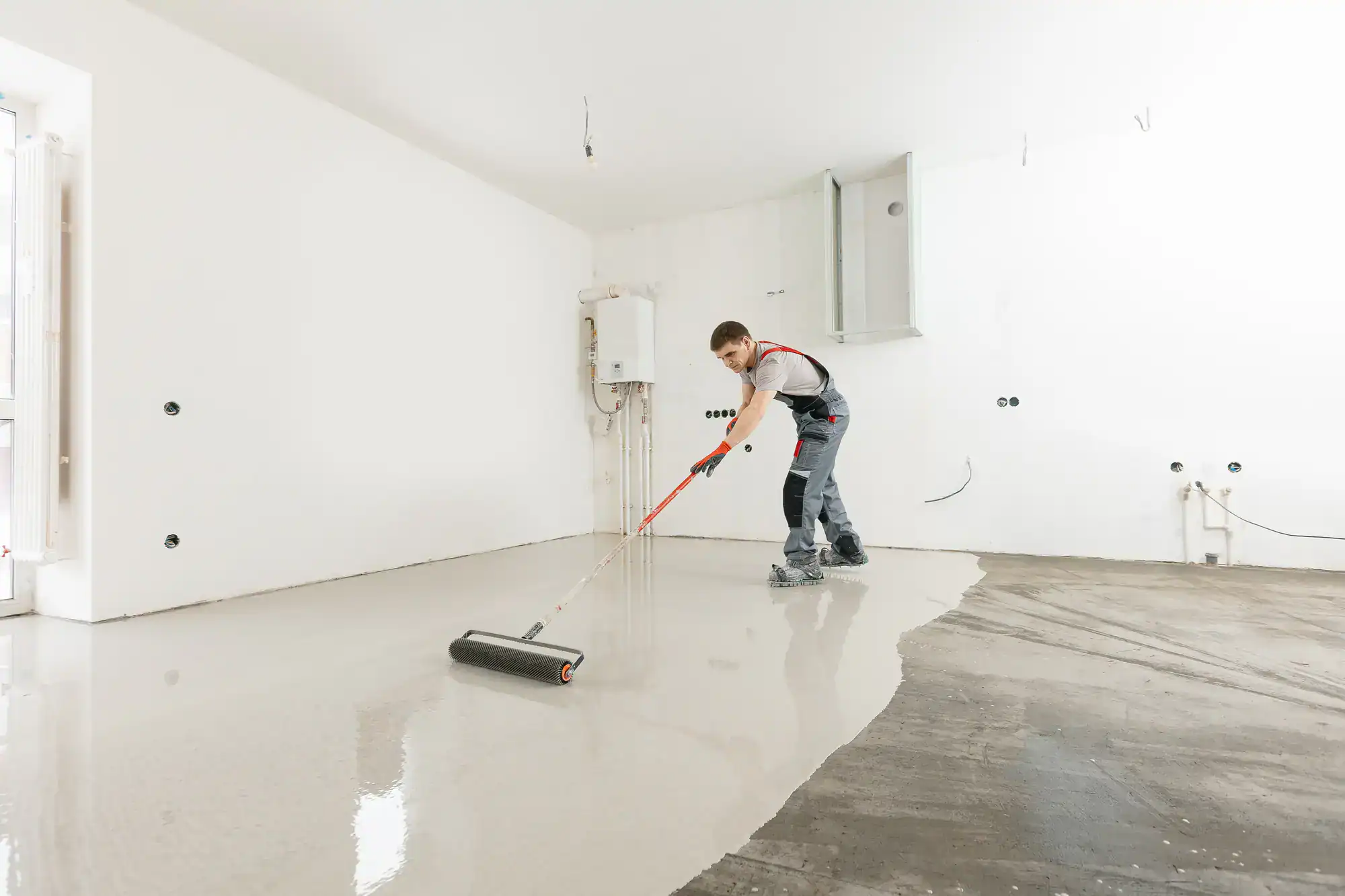
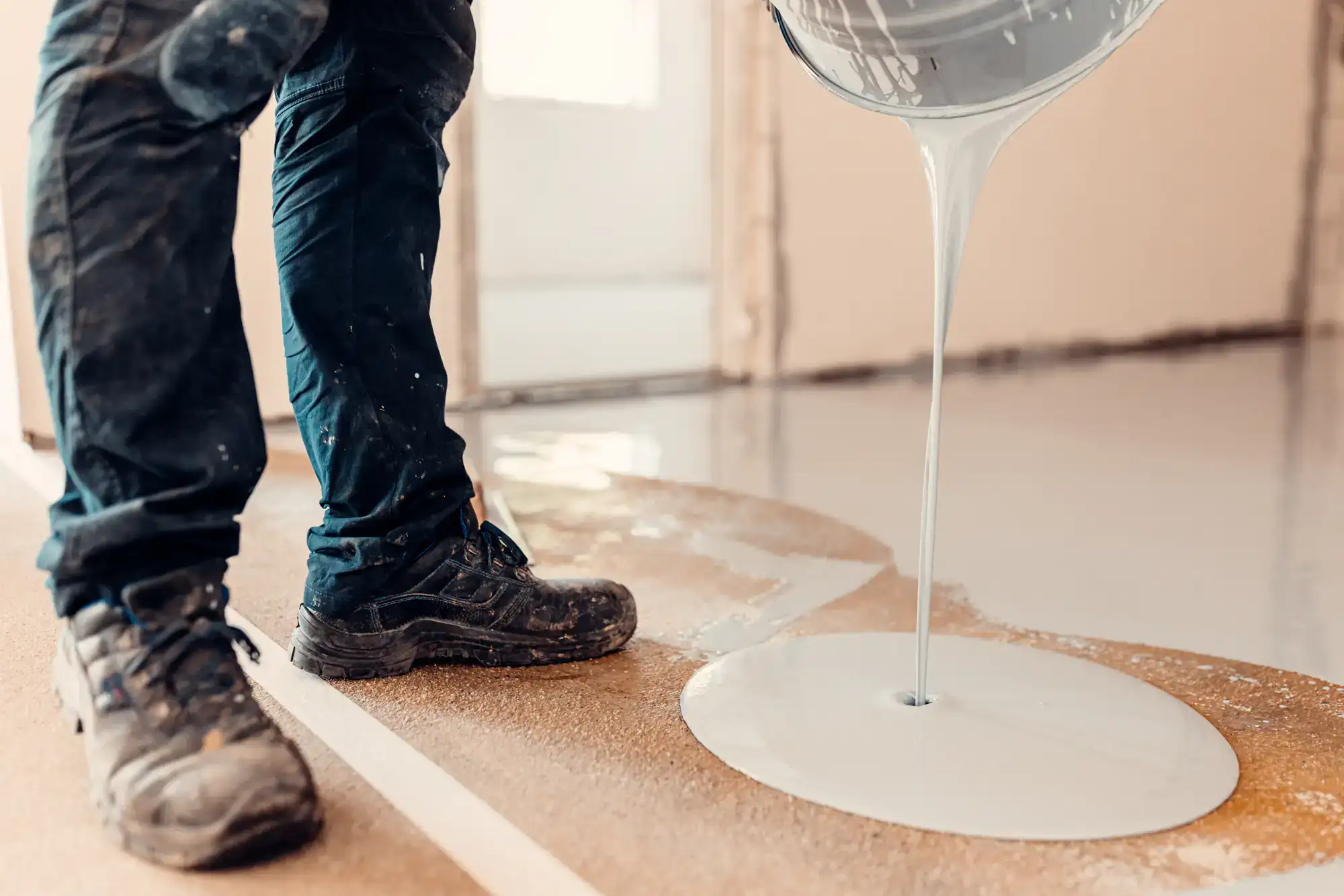
The polyaspartic coating goes down in carefully controlled layers. Unlike traditional epoxy that takes days to cure, our system is ready for light foot traffic the same day. Within 24 hours, you can drive on it.
The final topcoat provides UV protection and scratch resistance that keeps your floor looking new for years. Most Madison Center installations are completed in a single day, minimizing disruption to your routine.
Ready to get started?
Madison Center homeowners are discovering what commercial facilities have known for years—polyaspartic coatings outperform traditional epoxy in every meaningful way. The technology cures faster, lasts longer, and resists the UV damage that turns epoxy floors yellow.
Connecticut’s weather is particularly hard on garage floors. Road salt, freeze-thaw cycles, and summer heat create conditions that cause inferior coatings to fail. Polyaspartic floor coating handles these challenges without cracking, peeling, or losing its appearance.
The investment makes financial sense too. While DIY epoxy kits might seem cheaper upfront, they typically need replacement within 3-5 years. Professional polyaspartic installations last 15-20 years or more, making them more cost-effective long-term.
Local contractors in Madison Center often see the aftermath of failed DIY projects—floors that bubble, peel, or never cure properly. Professional installation with proper surface preparation eliminates these problems entirely.
Professional polyaspartic garage floor coatings typically last 15-20 years or more with proper installation and minimal maintenance. This significantly outperforms traditional epoxy, which often needs replacement every 3-7 years.
The longevity depends heavily on surface preparation and coating quality. Our process includes mechanical grinding and moisture mitigation—steps that ensure maximum adhesion and prevent the peeling issues common with inferior installations.
Connecticut’s climate is particularly challenging for garage floors due to road salt, freeze-thaw cycles, and humidity. Our polyaspartic systems are specifically designed to handle these conditions without degrading, making them ideal for Madison Center’s weather patterns.
Polyaspartic coating cures in hours instead of days, resists UV yellowing that plagues epoxy, and maintains flexibility that prevents cracking under temperature changes. It’s essentially the next generation of garage floor protection.
Traditional epoxy becomes brittle over time and often yellows when exposed to sunlight through garage windows. Polyaspartic stays colorfast and flexible, handling Connecticut’s temperature swings without developing cracks or losing adhesion.
The installation process is also more forgiving. Polyaspartic can be applied in a wider range of temperatures and humidity levels, making it more reliable for Connecticut installations. Most importantly, the faster cure time means you’re back to using your garage the same day instead of waiting a week.
Yes, but proper surface preparation is critical for long-term success. The concrete must be mechanically prepared to create the right surface profile for coating adhesion—acid etching alone isn’t sufficient for professional results.
Existing stains, sealers, or previous coatings need complete removal. Any cracks require repair, and moisture testing ensures the concrete is ready for coating. This preparation work determines whether your floor lasts decades or fails within months.
Our process includes diamond grinding to achieve the proper concrete surface profile, thorough cleaning to remove all contaminants, and moisture mitigation primers when needed. This comprehensive approach ensures reliable bonding regardless of your concrete’s current condition.
Professional polyaspartic garage floor coating typically ranges from $5-12 per square foot, depending on garage size, concrete condition, and chosen finish options. While this costs more than DIY kits upfront, it provides significantly better long-term value.
The total investment for a typical two-car garage ranges from $2,500-4,500. This includes proper surface preparation, moisture mitigation when needed, base coating, decorative elements if desired, and protective topcoat—everything required for a professional installation.
Factors affecting cost include existing concrete condition, need for crack repair, removal of old coatings, and decorative options like color flakes or metallic finishes. We provide detailed estimates that break down all costs so you know exactly what’s included.
Polyaspartic garage floor coatings require minimal maintenance—regular sweeping and occasional mopping with mild detergent. The non-porous surface resists stains and makes cleanup effortless compared to bare concrete.
Connecticut’s road salt and winter conditions don’t damage properly installed polyaspartic coatings. However, it’s good practice to rinse away salt buildup periodically to maintain the floor’s appearance, though the coating itself won’t be harmed.
Avoid harsh chemicals or abrasive cleaners that can dull the finish over time. The coating’s chemical resistance handles normal automotive fluids and household cleaners without issue. Most Madison Center customers find their floors look nearly new after years of use with just basic cleaning.
Most DIY failures stem from inadequate surface preparation and inferior coating materials. Home improvement store kits contain diluted products that can’t match professional-grade systems, and proper concrete preparation requires specialized equipment most homeowners don’t have.
Surface preparation determines 80% of coating success. Concrete must be mechanically ground to the proper profile—acid etching from DIY kits rarely creates sufficient texture for reliable bonding. Moisture testing, crack repair, and thorough cleaning also require professional expertise.
Temperature and humidity during application critically affect curing. Professional installers know how to adjust for Connecticut’s variable weather conditions, while DIY applications often fail due to improper environmental conditions during installation. The result is peeling, bubbling, or coatings that never fully cure.
Local Resources
Other Services we provide in Madison Center