Polyurea vs Polyaspartic vs Epoxy: Homeowner’s Guide
What most homeowners don’t realize is that polyurea is a category of coatings, not a single product—and choosing the wrong one for your primer can lead to peeling and failure.
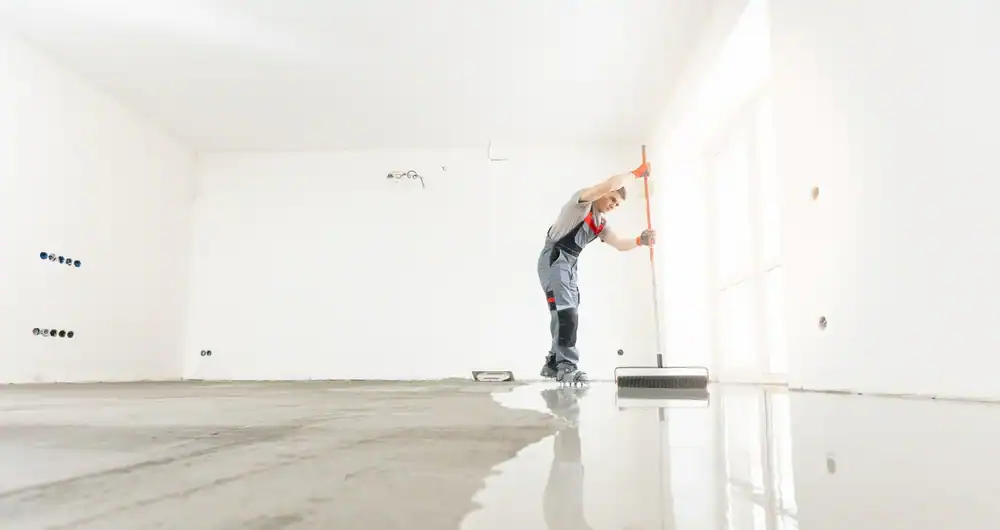
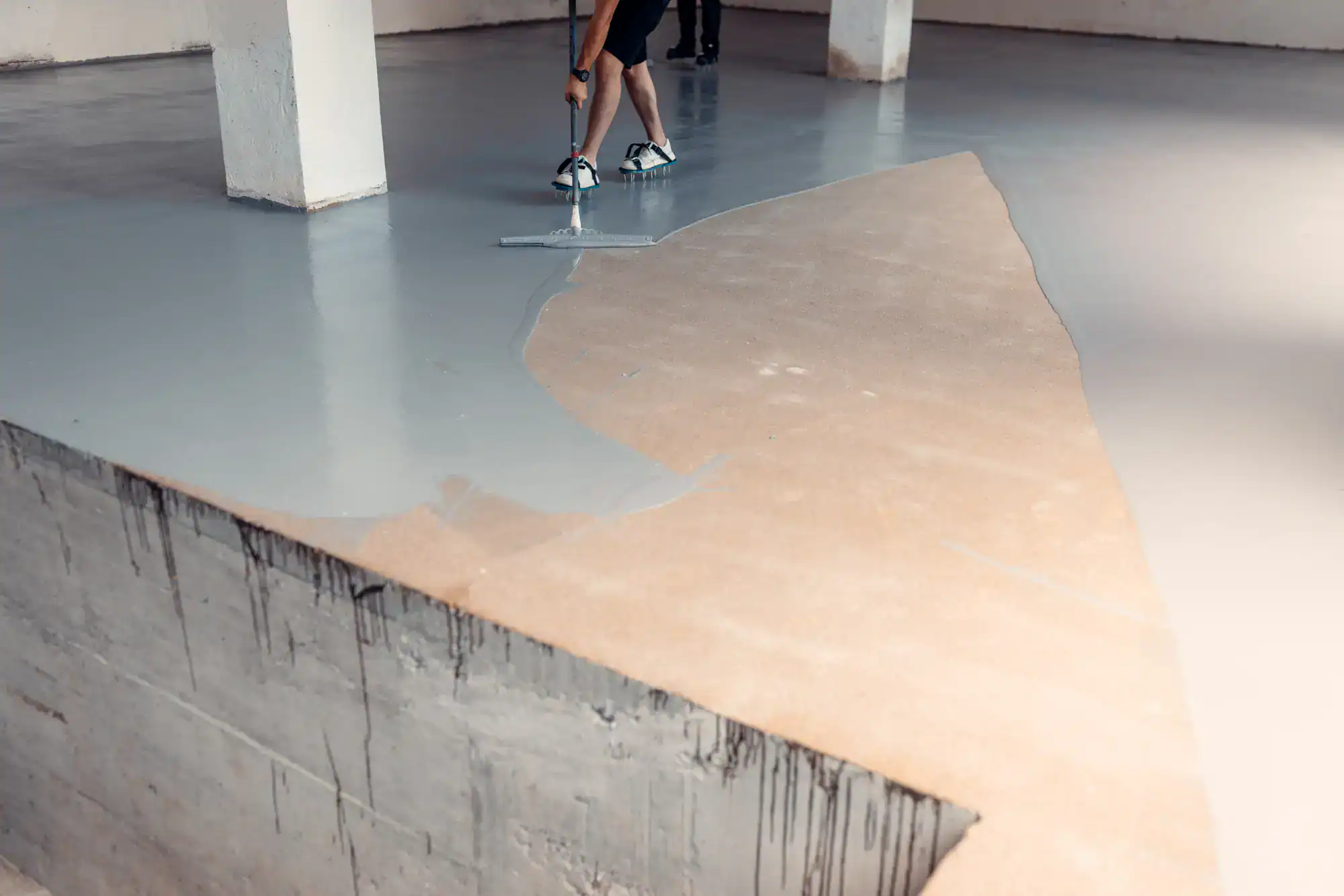
When researching garage floors, basement floors, or concrete coatings, you’ll see a lot of companies promoting “polyurea floors” or “one-day polyurea systems.” What most homeowners don’t realize is that polyurea is actually a category of coatings—not one single product. And in many cases, companies advertising polyurea are actually using polyaspartics, which behave differently and serve different purposes. At American Poly , we think it’s important for homeowners to understand what’s really going onto their floors, how these materials perform, and why choosing the right primer and topcoat matters for durability.
The Truth About the Polyurea Family
Polyurea is a broad category of coatings used in the concrete coating industry. Two products fall under the polyurea family: Polyurea and Polyaspartic (a type of polyurea with specific properties).
Most companies who claim to install “polyurea floors” are actually installing polyaspartic products, especially for topcoats. Sometimes they truly believe they’re using polyurea; other times they’re simply using the term because it sells well—it’s almost impossible for a homeowner to verify the difference without seeing the labels themselves.
And of course, there is a time and place for different systems—the right choice always depends on your space, moisture levels, use-case, and what the floor needs. Not every coating performs the same everywhere.
Why Contractors Use Polyurea/Polyaspartic Topcoats
Polyurea and polyaspartic topcoats are extremely popular because they offer UV resistance, high durability, fast drying with a quick return to service, and the ability to apply thick clear coats in one pass. These properties make them excellent topcoats, but they aren’t designed to be the primer layer.
The Biggest Myth: “Polyurea is Stronger Than Epoxy”
Contractors often market polyurea/polyaspartic as “stronger” or “better,” but the truth is: Epoxy penetrates 2–4x deeper into concrete than polyurea/polyaspartic. This creates a stronger mechanical and chemical bond.
Polyureas and polyaspartics mostly bond mechanically—meaning they sit more on the surface than into it. This is why they can peel if the prep isn’t perfect, especially without moisture mitigation.
Want live answers?
Connect with a American Poly Floor expert for fast, friendly support.
Understanding the difference between an epoxy primer and a polyurea/polyaspartic primer is crucial for the longevity of your floor.
Epoxy Primer:
Penetrates concrete
Bonds chemically + mechanically
Thicker, stronger basecoat
Better moisture mitigation
Available in moisture-blocking formulas
Polyurea/Polyaspartic Primer:
Sits on top of concrete
Bonds mechanically only
No moisture-control versions
Peels easier if prep isn’t good
Often used because it speeds up the job
Why Do Some Companies Use Polyurea as a Primer?
Simple: It benefits the contractor, not the homeowner.
Faster installation
Less material inventory to carry
Lower cost for them
But faster does not mean better – especially for long-term adhesion or moisture issues.
What System Is Actually the Most Durable?
The most durable, proven system for residential garage floors is a hybrid system: Epoxy Primer + Polyaspartic Topcoat.
This combines deep adhesion with UV resistance and durability. The only stronger option is urethane cement, which is rarely needed for homeowners.
Final Thoughts
Every floor, every slab, and every home is different. There truly is a time and place for different coating systems—but homeowners should know what they’re paying for, why a system is being recommended, and whether it’s chosen for performance or convenience.
A proper system should always be tailored to the conditions of your space—moisture, age, condition, use, and environment. If you want help determining what system is best for your garage, basement, or commercial floor, the American Poly team is here to walk you through it.
Summary:
Choosing the right concrete coating involves understanding the science behind adhesion and durability. While many companies promote “one-day” polyurea systems for convenience, these often bypass critical steps like moisture mitigation and deep penetration.
This guide breaks down the technical differences between epoxy and polyurea families, why contractors favor certain products, and which combination actually creates the most durable, long-lasting floor for your home.